Eyal Levi, Author at Unstoppable Recording Machine - Page 27 of 33

ADAM “NOLLY” GETGOOD: Periphery Bass Secrets, The Source Tone Philosophy, and Mixing in Bad Rooms

Nolly is a producer, engineer, and multi-instrumentalist best known as the bassist and in-house producer for the progressive metal band Periphery. Though no longer touring with the band, he remains an integral creative force. His production and mixing credits include work for bands like Animals as Leaders, Good Tiger, and the Devin Townsend Project. He is also a co-founder of the drum sample company Get Good Drums.

In This Episode

Nolly gets into the weeds on what it takes to thrive as a modern metal producer. He kicks things off with a throwback to the old Andy Sneap forums, explaining how that online community was crucial for building connections and skills. He breaks down the paradox of mixing in less-than-ideal environments, sharing how experience allows you to trust your gut and tools like spectrum analyzers—not as a crutch, but to ensure consistency when you can’t fully trust your room. There’s a massive deep dive into his bass tone for Periphery’s “Prayer Position,” covering everything from his fanned-fret Dingwall bass and Darkglass pedals to his aggressive-but-controlled picking technique. He also shares his philosophy on tracking real drums to minimize sample replacement, his go-to mics for killer snare and kick sounds, and the long game of earning a band’s trust. This one is packed with high-level perspective on workflow, networking, and the never-ending quest for the perfect source tone.

Products Mentioned

Timestamps

  • [1:54] How the Andy Sneap forum launched a generation of metal producers
  • [11:05] Mixing the Devin Townsend record in a totally untreated room
  • [13:18] The paradox: Why you need a good room to learn, but pros can work in bad ones
  • [15:54] When and why it’s okay to rely on a spectrum analyzer
  • [18:31] As you get more experienced, you start doing crazier stuff again
  • [24:04] The editing feature that would make Logic Pro X perfect
  • [26:37] The step-by-step process of earning Periphery’s trust in the studio
  • [33:24] The passive, long-term approach to networking that actually works
  • [42:16] A warning against “humble bragging” online
  • [47:24] Full signal chain for the viral “Prayer Position” bass playthrough video
  • [48:15] Why fanned-fret Dingwall basses are perfect for modern metal
  • [52:55] The logic behind using a thin pick for a heavy bass tone
  • [55:35] The subtle art of picking hard while staying perfectly in tune
  • [59:58] Why Nolly embraces being a “source tone mixer”
  • [1:04:55] Game-changing mic choices for snare (Shure Beta 57) and kick (Beta 91)
  • [1:08:51] The philosophy behind Get Good Drums: It’s all about the tuning
  • [1:13:59] Committing to EQ and compression during tracking
  • [1:22:43] How to tame cymbal bleed in close mics without gating everything to death
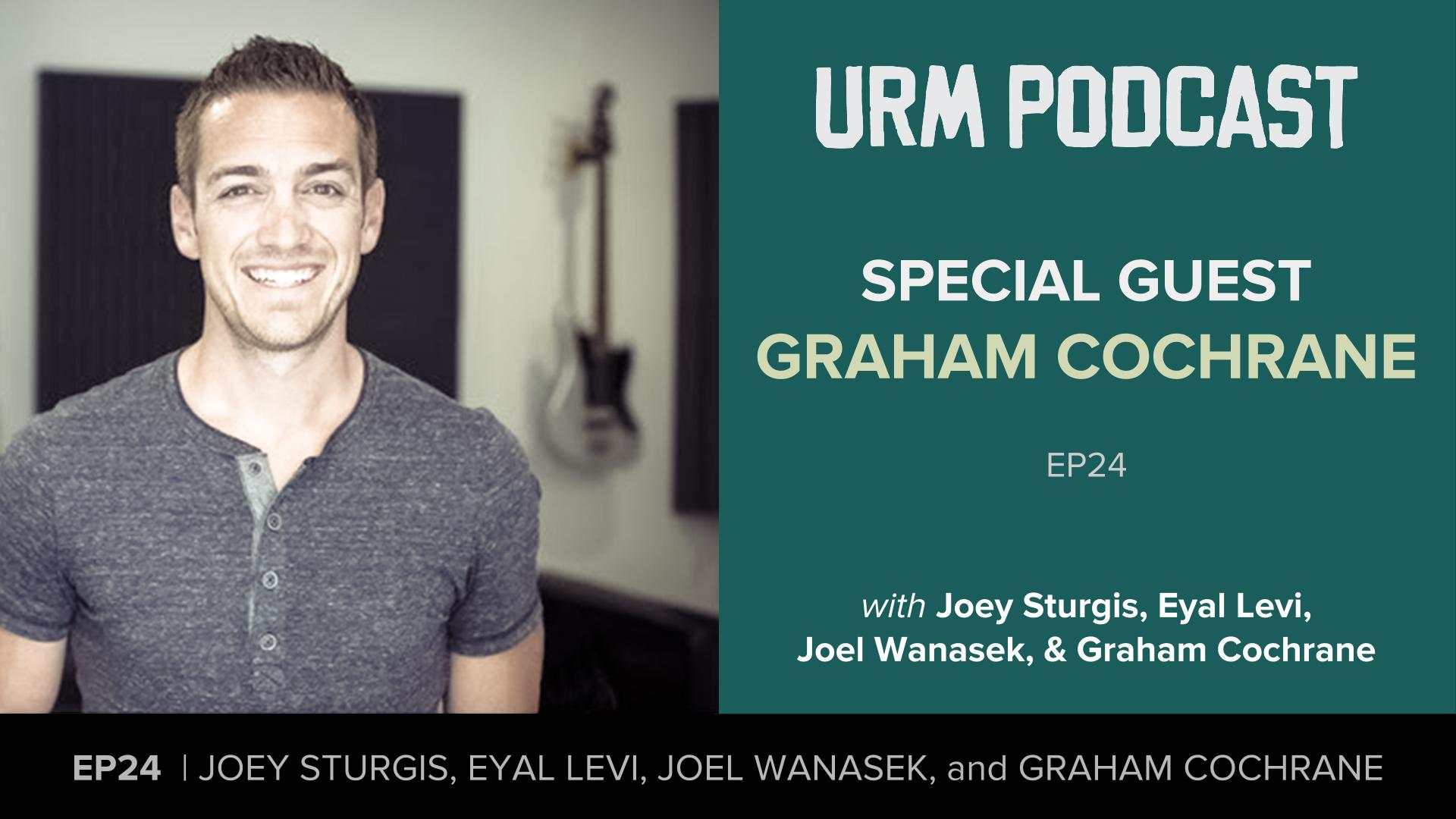
GRAHAM COCHRANE: YouTube Growth, Monetizing Without Ads, and Why “Fix It In The Mix” Is A Lie

Graham Cochrane is the founder of The Recording Revolution, a popular online resource dedicated to helping musicians and engineers make professional-sounding records in a home studio setting. He champions the philosophy that you can get killer results with affordable, accessible gear, a message he’s also shared through masterclasses on Creative Live. He built his brand from the ground up, starting with a simple blog and YouTube channel that grew into a full-time business.

In This Episode

Graham Cochrane joins the podcast for a super transparent look at the journey of building a successful online audio brand. He talks about the early days of The Recording Revolution, from the pressure of losing his day job to surviving on food stamps while he found his footing. He shares his business philosophy, explaining why he chose to sell courses over running ads and how he uses YouTube as a discovery platform to grow his email list—a must-have for any modern creative. They also get into the mindset required to succeed, covering everything from dealing with online haters and the importance of a support system, to the creative power of committing to sounds early instead of “fixing it in the mix.” It’s a killer conversation about the hustle, business savvy, and mental fortitude it takes to build a career in audio today.

Products Mentioned

Timestamps

  • [2:01] Graham’s simple and effective podcast vocal chain
  • [3:56] The accidental origins of The Recording Revolution
  • [6:12] The real-life pressure of going full-time as a creative
  • [8:06] Why he chose to monetize by selling courses instead of running ads
  • [9:29] Why Graham hated working in a traditional studio environment
  • [12:32] The power of fearlessness when you’re just starting out
  • [14:10] Dealing with online haters and overcoming “critic math”
  • [20:06] Surviving the lean years: Food stamps and family pressure
  • [22:22] The importance of having a supportive partner when chasing a dream
  • [25:33] Building a remote client base through mobile recording
  • [29:36] The potential downsides of a formal audio education
  • [31:17] Why the “record clean, fix it later” philosophy is often a trap
  • [32:25] The creative power of committing to sounds early in the process
  • [39:41] Advice for beginners: Don’t be a jerk and add massive value
  • [43:58] His strategy for building a successful, focused YouTube channel
  • [47:16] Why every band and producer absolutely needs an email list
  • [49:51] The biggest mistake freelancers make on their professional websites
  • [57:30] How to stay objective and get a better mix on your own music
  • [1:00:01] To get good, you need to produce a large body of work

EP23 | #MixCritMonday

Welcome to MixCritMonday, the show where we critique YOUR mixes.

This month we look at audience submitted mixes and focus on finding balance via volume and EQ.

[smart_track_player url=”https://media.blubrry.com/urmpodcast/s3.amazonaws.com/urmpublicpodcast/season1/august2015/URMPC023-MixCritMonday.mp3″ title=”EP23 | #MixCritMonday” image=”https://s3.amazonaws.com/urmpublicpodcast/Images/square+covers/URM_customPodcast_standard_08.jpg” social=”true” social_twitter=”true” social_facebook=”true” social_gplus=”true” social_email=”true” ]

“Half the battle is knowing what you are doing wrong” – Joey Sturgis

WHAT YOU’LL LEARN:
  • The right balance between cymbals and shells
  • A process for finding the optimal lead guitar levels
  • How to set a compressor’s attack on a snare
  • Boundaries for master bus compression
  • Where to cut harsh guitars
Want us to crit your mix? Click here to find out how!
Links:

Dan Korneff’s website 

Thanks for listening!
Sign up to our [cp_modal id=”cp_id_7934d”]mailing list[/cp_modal] to discover more!

Nail The MixNail The Mix is our online mixing school that gives you REAL multi-tracks from REAL bands, plus a mixing class from the producer who recorded it. Past guests include Periphery, Chelsea Grin, Machine Head and State Champs. Join now for instant access!

Leave any questions, comments, or feedback in the comment section below.

[btnsx id=”904″]

[btnsx id=”911″]

[btnsx id=”773″]

[btnsx id=”915″]

[btnsx id=”937″]

[btnsx id=”946″]

[btnsx id=”952″]

[btnsx id=”957″]

[btnsx id=”960″]

[btnsx id=”962″]

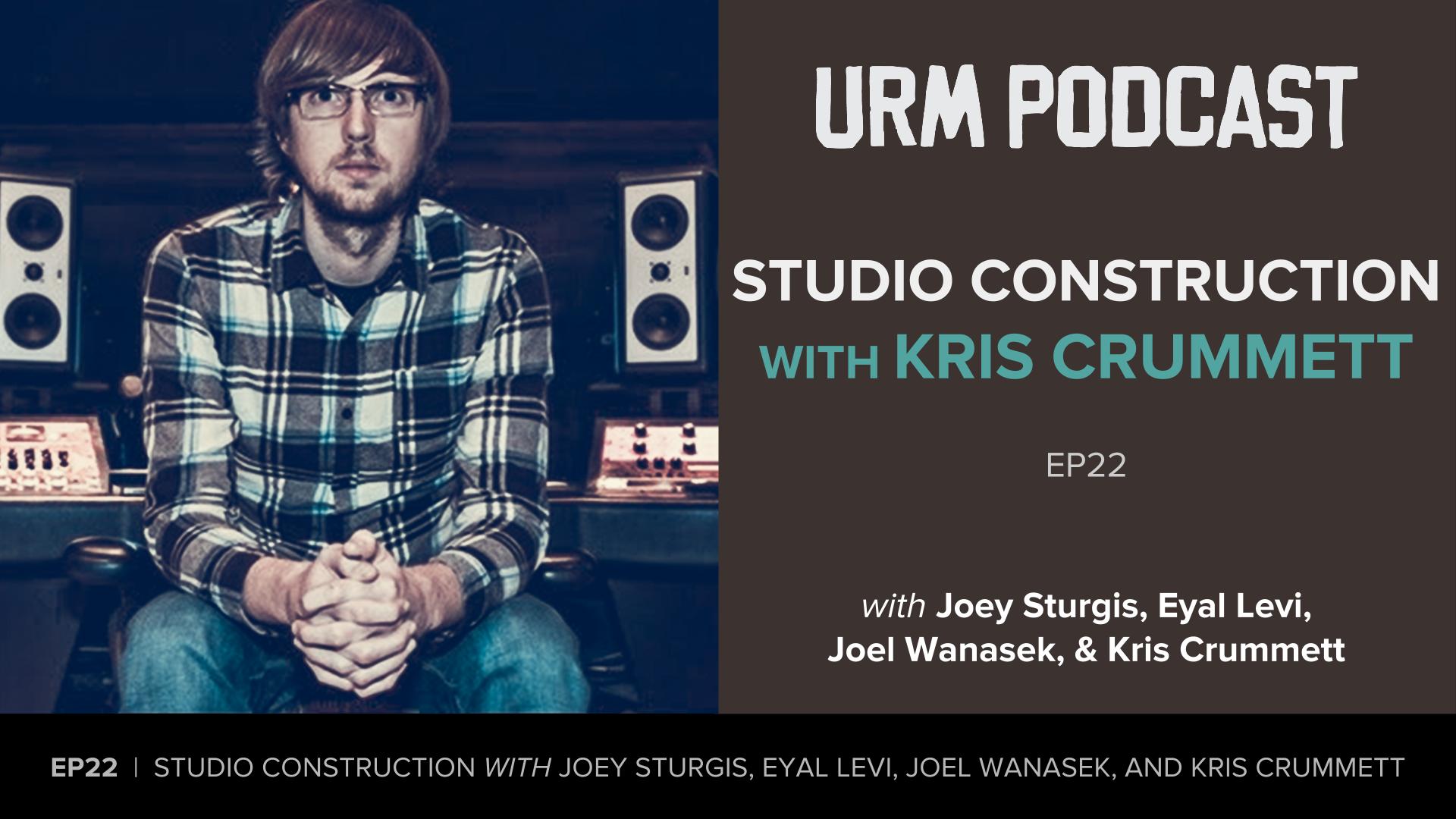
KRIS CRUMMETT: The 2000s Post-Hardcore Scene, Designing a Studio From Scratch, The Psychology of Producing

Kris Crummett is a producer, engineer, and mixer who was instrumental in shaping the sound of the mid-2000s post-hardcore and metalcore scene. From his Interlace Audio studio in Portland, Oregon, he has helmed landmark albums for bands like Dance Gavin Dance, Sleeping With Sirens, and Alesana. His work on Drop Dead, Gorgeous’s debut and The Devil Wears Prada’s Dear Love: A Beautiful Discord (which he mastered for Joey Sturgis) helped define a generation of heavy music that blended melody, screaming, and electronic elements. He continues to work with a mix of established acts and rising artists, including recent projects with Issues and Closure In Moscow.

In This Episode

Kris Crummett hangs out with the URM crew to talk shop, reminisce about the early days of the scene, and get super nerdy about his brand new studio build. He offers some killer insights into the psychology of being a producer, from managing the egos of young, newly-signed bands to navigating the tricky situation of having one member track another’s parts. The second half is a deep dive into studio construction, where Kris shares the technical details of designing his live room and control room from the ground up—including ideal room dimensions, angled walls, flooring materials, and acoustic treatment. He also breaks down his hybrid workflow, explaining how he integrates a massive collection of analog gear into a modern, recall-friendly process. It’s a great mix of technical advice and real-world wisdom for anyone serious about making records.

Products Mentioned

Timestamps

  • [2:48] Mastering Joey Sturgis’s first Devil Wears Prada record
  • [4:48] The rise of “scene” bands like Drop Dead, Gorgeous
  • [8:12] Can producers predict which bands will get huge?
  • [12:26] How to deal with difficult band members in the studio
  • [15:18] Why a producer’s job is to manage personalities, not just sound
  • [19:32] Being honest when one band member needs to track another’s part
  • [23:17] Why Kris is building a brand new studio from the ground up
  • [28:37] Juggling a studio build while recording the new Issues album
  • [30:24] How to design a great-sounding live room from scratch
  • [32:41] Using stone surfaces for natural diffusion
  • [36:30] Designing a control room for optimal acoustics
  • [39:26] DIY acoustic treatment for beginners on a budget
  • [42:58] Kris’s hybrid workflow and making analog gear work with fast recalls
  • [47:32] Rapid Fire: Go-to kick drum mic (spoiler: it’s the drum itself)
  • [48:32] His aggressive parallel drum bus chain
  • [49:15] The verdict on bottom tom mics
  • [52:27] Why he sold his Barefoot monitors for Amphions
  • [54:41] Best budget studio monitors under $1500
  • [1:00:46] Drummer pet peeves
  • [1:03:04] The most ridiculous requests from bands

Taking a Mix from Good to Great with Spatial Imaging

Taking a Mix from Good to Great with Spatial Imaging | By Joey Sturgis

Spatial imaging is a part of mixing that rarely gets talked about directly, and it’s easy to understand why. Who listens to a mix and immediately follows up with “Wow, the spatial imaging in that was insane”? If we could only be so lucky…

Instead, we focus on the elements that make up that space. We talk about things like width, depth, and size – all of which are elements of spatial imaging. Here are just a few of the ways that spatial imaging can elevate your mix:

Larger Than Life Sounds

Your sound doesn’t have to be loud to be huge. When something isn’t standing out in a mix, a lot of engineers dive for the volume or gain. Doing this again and again throughout a mix does nothing but push you further into the red and risks clipping your output.

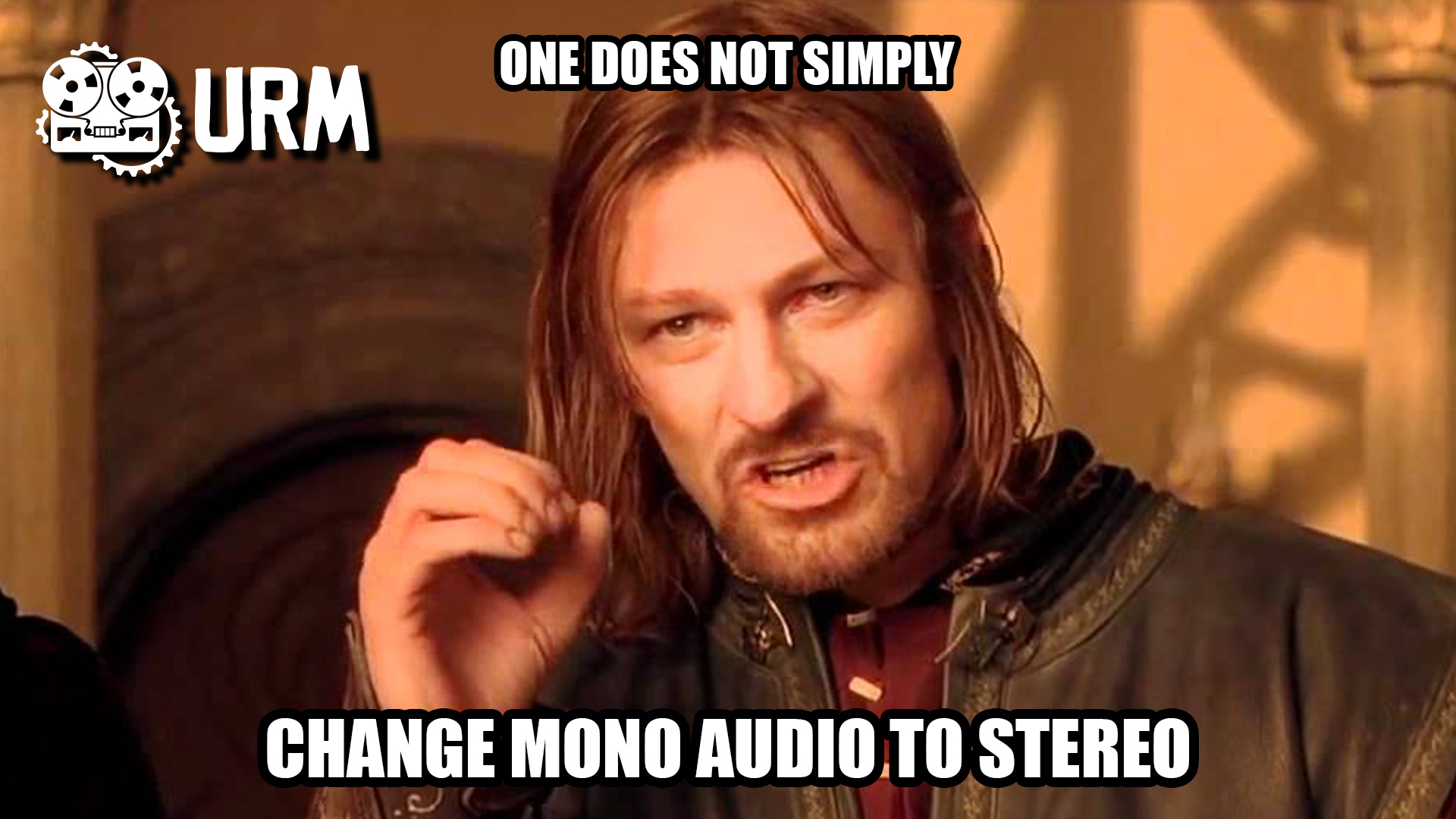
Instead, mess around with stereo imaging. There are tons of approaches to transform a wimpy sounding mono source into a killer stereo sound. Rather than reaching for a compressor the next time a guitar part is falling flat, maybe grab a time-based plugin (reverb, delay, chorus, etc).

Everybody’s got a different approach to stereo imaging depending on what they’re trying to accomplish. We recently had Dan Korneff (Paramore, The Devil Wears Prada, Papa Roach) on the URM Podcast, where he shared his unique approach to using a stereo widener on guitars. Instead of the traditional approach of adding the widener on his guitar bus, Dan runs the widener in parallel, allowing him to tweak the EQ on his widened tracks while retaining the original sonic imprint of the guitars.

My approach is always slightly different depending on the track I’m working with, but I share a ton of my most-used methods in my latest course.

Finding the Third Dimension

Don’t let staring at your flat computer screen dictate your mixes. Use your ears to decide what needs more depth.

One of the greatest things about mixing in stereo is our ability to create 3D sound. Early on (we’re talking the Recording Stone Age), engineers would require giant rooms to move musicians around a single microphone to create depth. Now we have reverbs to create space around each instrument. We can pan the instrument around in digital space until it sits just right. What used to take hours of painstaking trial and error is now available at a few clicks of a button.

Perhaps the coolest tweak we can make to widen a sound – we can use delay to create width. All you need to do is duplicate a track, pan each on opposite sides, and then nudge it forward.

Not to the point of creating an echo, but enough to create a simulated reflection. We’re talking about nudging it by milliseconds. A change so small, it’s nearly impossible for untrained ears to hear. Try starting around the 10-30 ms range; too much and it’ll start sounding more like an echo. You’ll love how effective this can be at helping something like a guitar solo punch through a dense mix.

Tricks & Treats

I’m a huge fan of moving elements around a mix. Being able to take an element you hear on the left and having it whizz past you to the right? It’s awesome. But what if I told you that nothing moved at all?

With spatial imaging, things like automating a pan or reverb are tricking you into hearing motion. All that’s really going on is the volume decreasing in one speaker while it increases in another. I’m not sure if that’s supposed to be some big secret, but it’s tricking your ears into hearing movement.

To the end listener, these moving elements are usually a treat, keeping them interested in a way that a static mix just can’t.

Spatial Imaging Comes in Clutch as Your Last Resort

Spatial imaging can be a frustrated engineer’s best friend. Maybe you’ve gone through your toolbox, throwing every EQ, compressor, saturation & gain plugin you’ve got at a problem sound that won’t budge. You just need something to push it through the mix without sticking out like a sore thumb.

Small tweaks like applying a stereo widener to other elements can make room for that sound to breathe. Adding a bit of delay can replicate early reflections; once again tricking a listener’s ear into thinking something is closer to them than the original sound would have been.

The possibilities of spatial imaging are unique in that you’re already using them in your mix (even if you’re not taking advantage of them). Every track in your DAW has a pan knob on it, right? Are you able to duplicate those tracks? Route them mono-to-stereo and vice-versa?

Start messing around with the basic elements, and it won’t be long before you start to realize how much more powerful your stock DAW is than just something you capture audio in. If you’ve already played with panning til you’re blue in the face, experiment with time-based effects and how they interact with these concepts.

Want to see how I’m using Spatial Imaging to hack my mixes?

I go into much more detail about this subject in my Spatial Imaging Fast Track course, where I not only cover spatial imaging, but some of the ways I’m using it on every element of my mixes. I’ll show you my favorite tricks and give you the reasons behind them, available exclusively to our URM community. Check it out!


For more awesome tips on becoming a better producer, head on over to the URM Academy blog , subscribe to our podcast , and  [clickfunnels_clickpop exit=”true” id=”5j5usoiqwzl4doja” subdomain=”unstoppablerecordingmachine”]join our mailing list[/clickfunnels_clickpop].

Nail The MixNail The Mix is our online mixing school that gives you REAL multi-tracks from REAL bands, plus a mixing class from the producer who recorded it. Past guests include Periphery, Chelsea Grin, Machine Head and State Champs. Join now for instant access!