Eyal Levi, Author at Unstoppable Recording Machine - Page 28 of 33

STEVEN SLATE: Building an audio empire, the hardware vs. software debate, and creating iconic plugins

Steven Slate is the founder of Slate Drums and Slate Digital, companies whose products have become staples in modern music production. His career began in the mid-2000s when he started creating custom drum samples for top-tier mixing engineers after famously sneaking into industry parties to hand out his demo CDs. This hustle led to the public release of Steven Slate Drums, which quickly became an industry standard. He later partnered with developer Fabrice Gabriel to launch Slate Digital, focusing on creating high-quality software emulations of classic analog hardware, with iconic plugins like Trigger, FG-X, the Virtual Console Collection (VCC), and the Virtual Mix Rack (VMR). He has also developed hardware like the Dragon compressor and the Raven touchscreen console.

In This Episode

Steven Slate joins the podcast to share the story of how he went from handing out drum sample CDs at industry parties to building a full-blown audio empire. He gets into the intense work ethic and dedication it took to get his companies off the ground and discusses how his passion for solving real-world studio problems led to groundbreaking plugins like FG-X and the Virtual Console Collection. A big chunk of the conversation is dedicated to the ongoing hardware vs. software debate, where Steven shares his experiences convincing old-school engineers to embrace the box and gives a peek into the tech behind his Virtual Microphone System. He also dives into the parallels between audio mixing and his other passion—barbecuing—and explains why workflow tools like Batch Commander are the unsung heroes of creativity. The guys also discuss the importance of taking breaks to stay inspired and how to deal with the inevitable online hate that comes with success. To wrap it all up, Steven offers some solid, actionable advice for young producers trying to make their way in today’s music industry.

Products Mentioned

Timestamps

  • [0:03:49] How barbecuing is just like the audio industry
  • [0:06:08] The relentless work ethic required to launch a brand
  • [0:07:18] The story of sneaking into Grammy parties to hand out drum sample CDs
  • [0:10:04] The importance of rolling with unexpected opportunities
  • [0:12:32] The timeline from handing out CDs to launching Steven Slate Drums
  • [0:15:35] How the loudness wars inspired the first Slate Digital plugin, FG-X
  • [0:17:14] The origin of the Virtual Console Collection (VCC)
  • [0:20:16] How Steven deals with online hate and negativity
  • [0:22:33] Creating products that solve problems customers don’t even know they have
  • [0:25:19] How efficiency tools like Batch Commander can save months of your life per year
  • [0:29:31] Why the specific DAW you use doesn’t really matter
  • [0:34:21] The hardware vs. software debate: “Making music is sexy, debating the tools isn’t”
  • [0:36:01] Why some hardware owners are threatened by realistic software emulations
  • [0:39:10] The Kemper Profiling Amp and converting tube amp purists
  • [0:47:20] Why taking breaks is crucial for creativity
  • [0:48:07] The frustration of management not understanding a producer’s need for downtime
  • [0:50:52] The concept behind the upcoming Virtual Microphone System (VMS)
  • [0:56:37] Steven’s two key pieces of advice for aspiring producers
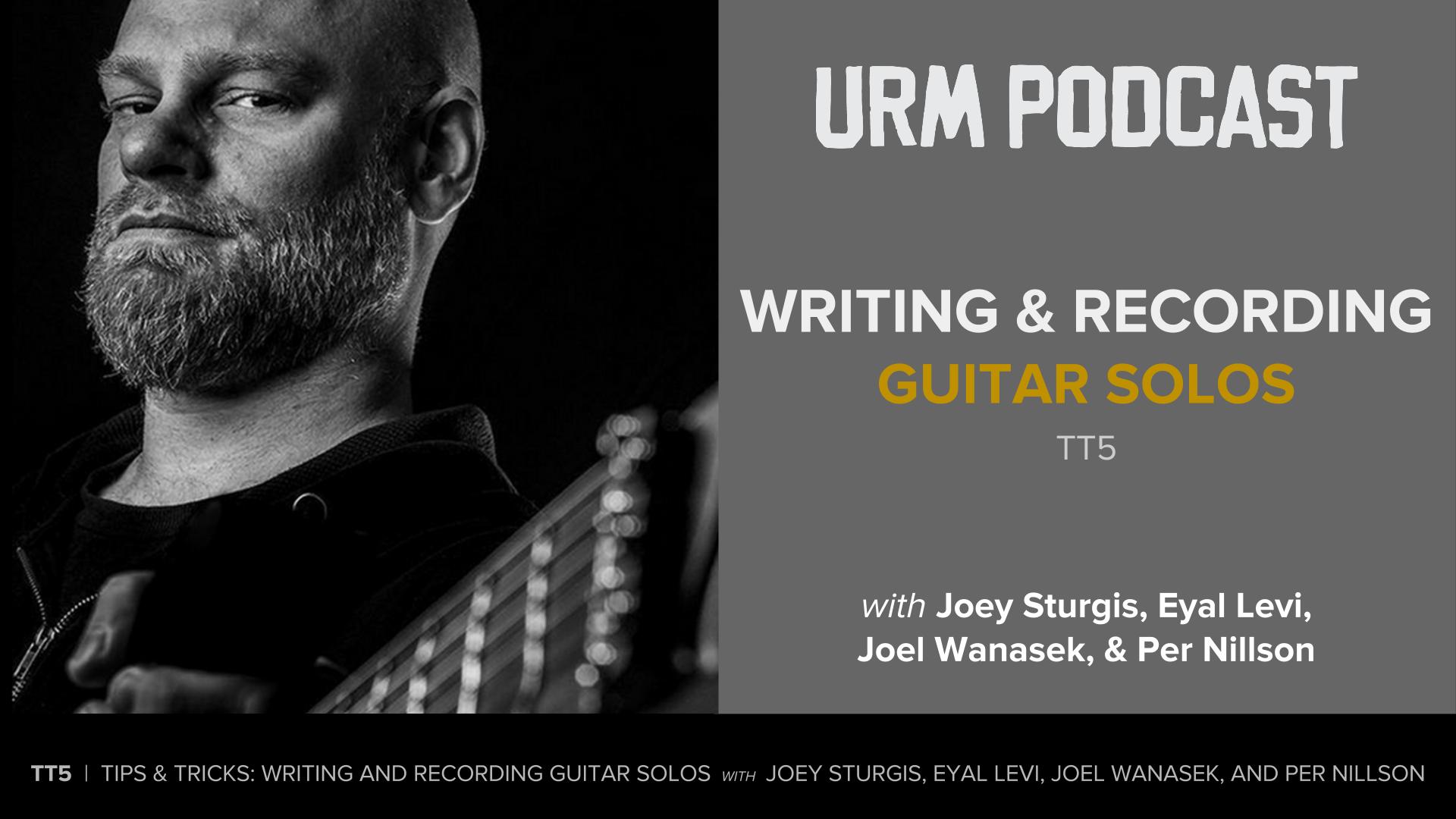
PER NILSSON: Crafting Guitar Solos, True Temperament Frets, and The Ethics of Auto-Tune

TT 5 | Writing And Recording Great Guitar Solos with Per Nilsson

Per Nilsson is the Swedish guitar virtuoso best known for his work with melodic death metal masters Scar Symmetry. With a career spanning over three decades, he’s celebrated for his fluid, highly technical, and melodic soloing style. In addition to his main band, Per is also a member of the prog-rock outfit Kaipa and is a sought-after session player, contributing guest solos for artists like Hannes Grossmann (ex-Obscura).

In This Episode

Time to nerd out on all things lead guitar with Scar Symmetry’s Per Nilsson. This one is for anyone who has ever spent 12 hours a day with a metronome. Per gets into the mindset and intense dedication it takes to become a top-tier shredder, contrasting it with the modern world of cut-and-paste solos. He walks through his personal workflow for crafting solos, which involves a cool hybrid of improvisation and meticulous punch-ins to build parts phrase by phrase. We also get into the more esoteric side of musicianship, like the power of visualizing licks in your head as a form of practice. The conversation then turns to tech, with a deep dive into his signature Strandberg guitar, the magic of True Temperament frets, and the practical, non-controversial use of Auto-Tune to nail an otherwise perfect take. It’s a killer look into the art, craft, and philosophy of creating memorable solos.

Products Mentioned

Timestamps

  • [1:32] The great debate: shredding vs. “wanking”
  • [3:23] The “Olympic athlete” level of commitment required for shred guitar
  • [6:37] Per’s insane practice routine in his youth (12+ hours a day)
  • [7:20] How injury forced a shift in focus from practice to writing
  • [9:32] Per’s process for writing a guest solo
  • [10:20] The key to making transitions between different musical styles sound smooth
  • [11:38] How Per writes solos by improvising and punching in phrases
  • [14:20] The power of visualizing: practicing guitar in your head
  • [18:26] Advice for non-guitarist producers on how to record solos
  • [23:34] What is a True Temperament fretboard and how does it work?
  • [25:36] Per’s thoughts on the Evertune bridge
  • [26:48] Does playing scalloped frets help or hurt?
  • [29:34] When and why it’s okay to use Auto-Tune on a guitar solo
  • [34:06] The pros and cons of different pitch correction software (block vs. line)
  • [36:15] Does it matter if you can’t play your recorded solos live?
  • [38:03] John Petrucci’s “15% rule” for writing challenging solos
  • [42:35] Why Per prefers to record his own solos
  • [46:46] Treating lead guitar like vocals: capturing the right mood and performance

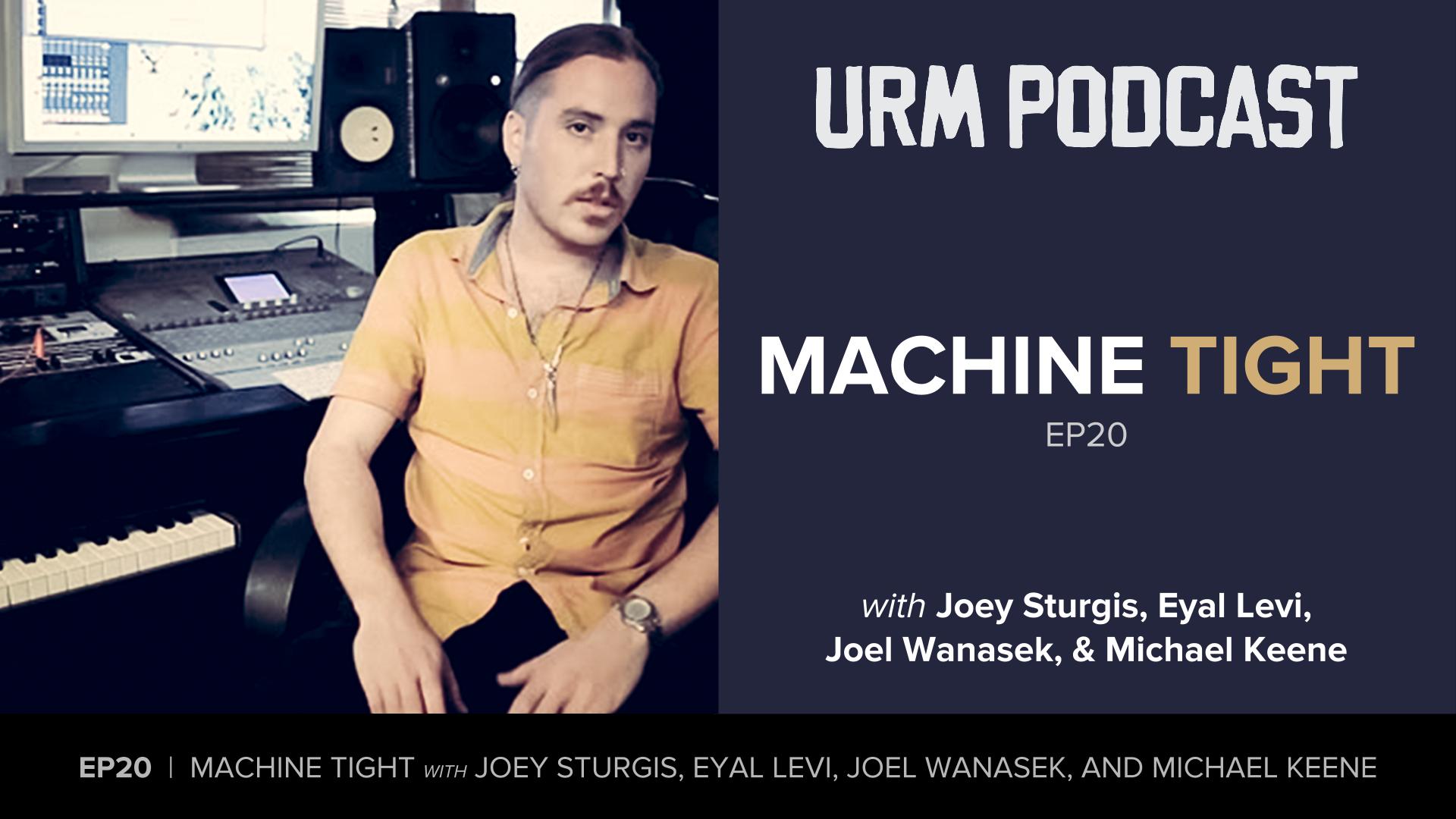
MICHAEL KEENE: Metal Production Secrets, Getting Tighter Guitar Tones, Avoiding Burnout

Michael Keene is the guitarist, vocalist, and primary creative force behind the technical death metal band The Faceless. As a producer, he has also worked with a number of influential bands in the scene, including Veil of Maya, Born of Osiris, and Suicide Silence, helping to shape the sound of modern metal.

In This Episode

Michael Keene of The Faceless hangs out with the guys for a deep discussion on the intersection of musicianship and production. He explains why being a multi-instrumentalist is a massive advantage in the studio, especially when it comes to writing realistic drum parts and crafting tones. Michael gets into the weeds on his guitar recording process, from his preference for tracking with amp sims and re-amping later, to why he often opts for less gain to achieve a tighter sound. He also breaks down his go-to mics and cabs for capturing killer tones at the source, his philosophy on avoiding EQ on distorted guitars, and how he makes busy, technical bass parts work in a dense mix. The conversation also touches on the career side of things, covering how to balance working on your own music with client work to avoid burnout and knowing when—and when not—to say “no” to opportunities.

Products Mentioned

Timestamps

  • [7:18] Michael’s start in music and recording
  • [10:05] Why playing an instrument makes you a better producer
  • [11:51] Avoiding “Dr. Octopus” drum programming
  • [12:27] The importance of realistic drum dynamics
  • [15:47] Have listeners lost touch with what natural recordings sound like?
  • [21:52] Balancing his own music with producing others to avoid burnout
  • [28:31] Why learning to say “no” is crucial, but saying it too early can kill your career
  • [30:09] Michael’s guitar recording workflow: tracking with amp sims and re-amping
  • [31:23] Favorite guitar cabs and the tightness of a 2×12
  • [32:52] Why less gain often equals a tighter, heavier guitar tone
  • [36:03] The fine art of palm muting and getting the right pick attack
  • [41:32] Writing busy-but-tasteful bass parts that don’t sound like guitar solos
  • [42:33] Mixing tips for making sure the bass is audible
  • [48:46] Using Waves GTR live and on the last Faceless record
  • [54:48] Why simple plugins with fewer options can lead to better results
  • [1:05:01] His three-mic technique for getting a full guitar sound without EQ
  • [1:09:35] Adding orchestration and synth layers to heavy music
  • [1:18:25] Using punch-ins as a creative songwriting tool vs. a performance crutch
  • [1:25:07] Getting guitar tones to sit in a full mix
  • [1:31:44] A happy accident: tracking a lead through a vocal mic across the room

Making Sure You’re Getting Your Inspiration Nourished Properly

Making Sure You’re Getting Your Inspiration Nourished Properly – By Jesse Cannon

While I recognize I am about to talk about nutrition to a bunch of energy drink swilling, Taco­Bell ingesting people whose idea of exercise is cranking a snare drum to tune it, understanding how to nurture your mind to make great music is crucial to making great records.

There’s a famous saying that gets tossed around a lot that you’re the product of the five people you hang out with the most. In finance they say you’re as rich as the five people you talk to the most. Well, this also goes for musical influence. The five things you listen to the most will largely shape what you create. With years of music listening this can be diminished down to what you listened to over the course of your life. However, for beginners, this is especially crucial since you don’t have years of accumulating influence, standards, and a palette to draw from.

After establishing that inspiration is research, we need to recognize that you should be conscious of the inspiration you’re taking in as if it were a diet. When I’m trying to get inspired for a record, I try to consider my inspiration diet. I then nurture myself for what I’ll need to make sure I’m inspired for a project.

Here are considerations I often take in when trying to make sure I’m going to be on the best diet to be inspired on a project:

Favorites Vs. Fresh­ 

It can be easy to get lost in your favorite records. Getting to know them as best you can is some of the most important listening you can do to figure out what you love about them. Plus it feels great to listen to them! But you also need to be taking in new records to gain new and fresh ideas. Even if these records aren’t music made in recent years, you need to continue to get inspired by new source material. The inverse can also be true. You can be too focused on new records versus exploring your favorites and figuring out what makes them tick. If I give a concentrated listen to many of my favorite records even decades later, I can still find new details from them to get inspired by, but there’s nothing like fresh new ideas to get you inspired.

The Greats Vs. The Local Trash ­

Everyone has a favorite local band that’s doing amazing music that the world may never hear. There are also the other ten bands in your local scene who aren’t that special and far too often, musicians put too much time into listening to them. I’ve seen many musicians get lost in listening to their friend’s music that’s poorly done versions of great bands. This drives their standards down. It will make them think subpar ideas are great, instead of getting used to the high standards they need to achieve the greatness of the greats. 

Bells & Whistles Vs. Solid Songs ­

On some records, an artist can be filled with inspiration for song structures and hooks, but when it comes to how to do some crazy soundscapes they may be coming up blank. I’ll often go on an inspiration diet depending on what a band needs for this. If a band needs help coming up with soundscapes, I may end up listening to Mars Volta, Brian Eno, Clinic, The Talking Heads and Chrome to get ideas of what we could do. But if the band has a mind for those bells and whistles, I may try to get into the mind of their favorite songwriters and make sure we stay focused on solid songs. Consider where you feel deficient inspiration wise and consciously take in inspiration that’ll help nurture what you need on a project.

Inspiration opens our brains to the possibility of what can be done in music. The more we are reminded of this possibility the greater connections we can make to do great things in music. Making sure you get the right inspiration is far more important than another hour spent, no matter what your job in music is.


Jesse Cannon is a Brooklyn based record producer, mixer and mastering engineer. He is co-founder of Noise Creators a service that connects musicians to the best producers in music today. He is the author of Get More Fans: The DIY Guide To The New Music Business and the upcoming Processing Creativity.

Click here and listen to Jesse’s guest URM Podcast episode where we discuss strategies upcoming audio engineers can use to promote themselves, and lots of juicy mastering tips.

Click here to read Jesse’s previous URM blog entry, “Band Practice Is Toxic To Your Creativity.”

Nail The MixNail The Mix is our online mixing school that gives you REAL multi-tracks from REAL bands, plus a mixing class from the producer who recorded it. Past guests include Periphery, Chelsea Grin, Machine Head and State Champs. Join now for instant access!

Eyal Levi, Joey Sturgis & Joel Wanasek: Heavy Guitar Tones, Common Mixing Mistakes, and Fixing Performance Issues

This episode features URM founders Eyal Levi, Joey Sturgis, and Joel Wanasek. Joey Sturgis is a producer known for shaping the sound of 2000s metalcore with bands like The Devil Wears Prada, Asking Alexandria, and Of Mice & Men. Joel Wanasek is a producer, mixer, and engineer who has worked with artists such as Machine Head, Blessthefall, and Attila. Eyal Levi is a musician, producer, and the co-founder of URM Academy, known for his work with Dååth, The Black Dahlia Murder, and August Burns Red.

In This Episode

On this guitar-focused edition of MixCritMonday, the guys dive into three subscriber mixes, dropping a ton of practical advice for getting heavy tones right. They kick things off by critiquing a 2000s-era death metal track, discussing how to balance a present bass tone without it getting “honky,” and the strategic use of reverb to create ambience without turning the mix to mud. The second critique tackles a common problem: overly saturated guitars that sound fizzy and lack definition. The crew explains how dialing back the gain and making smart EQ cuts can bring back clarity. The final mix sparks a deep conversation about the source of many mix issues—the performance itself. They cover how playing technique, like “death grip” and poor palm-muting, can pull guitars sharp and kill the tone before it even hits the DAW. It’s a solid episode packed with actionable tips on EQ, compression, and—most importantly—recognizing when the problem isn’t in the mix, but in the tracking.

Products Mentioned

Timestamps

  • [10:33] First MixCrit: “Shark song” by AJ Vienna
  • [11:33] Critiquing the bass guitar tone (too many mids, slightly out of tune)
  • [13:11] Adding more sub-bass to the kick for added energy
  • [14:19] Identifying that the rhythm guitars are lacking upper mid-range presence
  • [15:00] How arrangement choices can create mud in dense guitar parts
  • [17:20] Carving out low-mids on the bass to improve clarity
  • [18:55] The pros and cons of using reverb on rhythm guitars and the master bus
  • [23:56] Second MixCrit: “67” by Auspicious
  • [24:24] The problem with overly gainy and saturated distorted guitars
  • [25:23] Achieving better note definition by cleaning up fizzy high-end and mid-range “honk”
  • [28:25] Technical Crit: Using a high-pass filter on vocals to remove low-end rumble
  • [30:16] Why listening to different genres keeps your production perspective fresh
  • [31:58] The power of making small, cumulative EQ changes across a mix
  • [37:31] Third MixCrit: “Kingpin” by Bury the Evidence
  • [37:49] Why using less gain on guitars leads to more clarity
  • [40:29] Using a limiter instead of a compressor on saturated guitars
  • [42:10] How “death grip” playing can pull guitars sharp and ruin a recording
  • [44:03] The nightmare of recording rhythm guitars with a floating bridge
  • [44:48] The importance of palm muting technique for a great tone
  • [48:04] Using the Devil Driver “Clouds Over California” stems as a reference for tight playing