Finn McKenty, Author at Unstoppable Recording Machine - Page 14 of 51

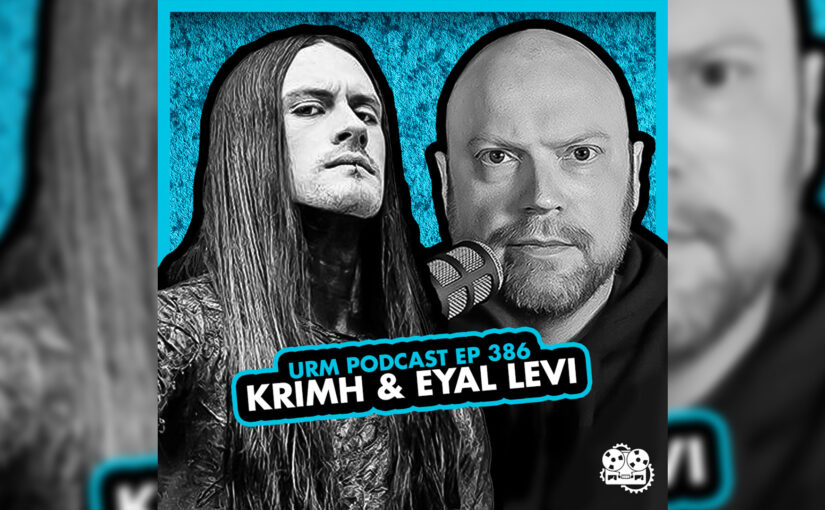
KERIM “KRIMH” LECHNER: Joining Decapitated via YouTube, filling in for Behemoth, and creating Krimh Drums

Kerim “Krimh” Lechner is a powerhouse drummer in the modern metal scene. He’s currently behind the kit for the symphonic death metal titans Septicflesh and the recently reunited Dååth. His impressive resume also includes stints with Polish death metal legends Decapitated and live session work with Behemoth. Beyond his band duties, Krimh has cultivated a massive following through his popular YouTube channel and has ventured into the world of music tech, collaborating with Bogren Digital on his own virtual drum instrument, Krimh Drums.

In This Episode

Krimh joins the podcast to talk about the realities of being a multi-talented modern musician. He gets into the nitty-gritty of his intense daily schedule, explaining how he balances duties for multiple bands with creating content for his YouTube channel and developing his software instrument. He shares some awesome stories about his early days, how posting drum covers led to his big break with Decapitated, and the mindset required to jump on scary, career-defining opportunities like filling in for Behemoth on short notice. He also gives a behind-the-scenes look at the creation of his Krimh Drums plugin with Jens Bogren, discussing the 14-hour sampling session and the “less is more” design philosophy. For all the producers out there, he breaks down exactly what he looks for in an engineer during a session, offering crucial insight into creating a comfortable environment that allows a drummer to deliver their absolute best performance.

Products Mentioned

Timestamps

  • [3:47] Krimh’s strategy for managing his insane workload
  • [4:43] Why he practices drums at 5:30 AM
  • [7:49] The pros and cons of running his brand as a “one-man shop”
  • [15:39] Overcoming the stigma of being a “YouTuber musician”
  • [20:02] How YouTube practice videos led to his audition for Decapitated
  • [23:09] The importance of recognizing and seizing scary opportunities
  • [25:54] The pressure of filling in for Behemoth on short notice
  • [29:05] Dealing with imposter syndrome in high-stakes situations
  • [31:20] Why he left his dream gig in Decapitated
  • [43:33] The spontaneous story of creating Krimh Drums with Jens Bogren
  • [45:00] The 14-hour marathon sampling session for Krimh Drums
  • [45:32] The benefits of having fewer options in a virtual instrument
  • [48:00] Finding the right tempo for the Dååth song “No Rest, No End”
  • [51:43] Krimh’s process for memorizing complex song structures
  • [55:48] What makes a great producer from a drummer’s perspective
  • [59:42] Getting a drummer warmed up for the perfect take
  • [1:02:04] Why it’s dangerous to push a drummer too long in a session
  • [1:04:16] His “last chance to dance” mindset for nailing the final take
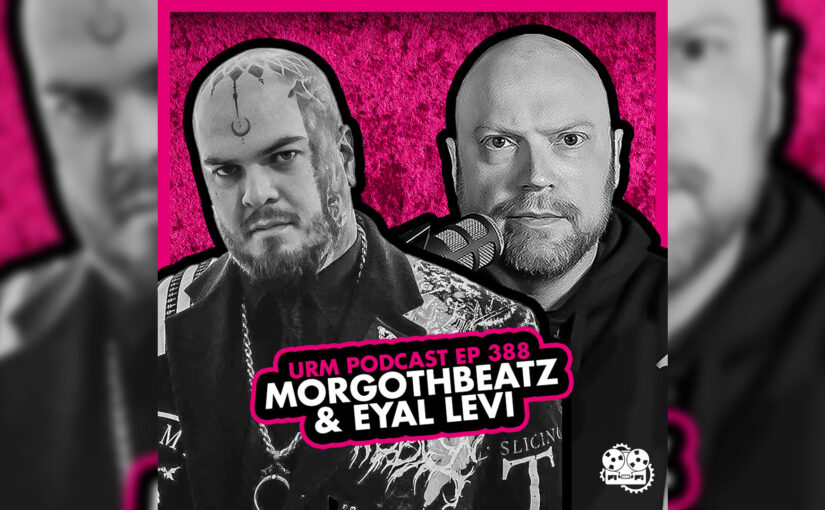
MORGOTH BEATZ: Producing Korn, death metal in trap music, authentic networking

Morgoth Beatz is a Grammy-nominated producer, musician, engineer, and songwriter who got his start playing in bands like Goliath and Winds of Plague. His diverse production style has seen him bridge the gap between metal and hip-hop, leading to work with an eclectic roster of artists including Korn, MGK, Travis Barker, Juice WRLD, Suicide Silence, Bones, and Of Sulphur. He is also currently producing the solo album for Chavo Odadjian of System of a Down.

In This Episode

Morgoth Beatz returns to the podcast to chop it up about his multi-genre production workflow and the mindset that’s taken him from metalcore bands to sessions with hip-hop and rock royalty. He gets into the weeds on creative cross-pollination, explaining how he uses death metal kick patterns to program trap hi-hats and heavy breakdowns to inspire 808s. Morgoth shares the full story of how a gig with Jonathan Davis’s son organically blossomed into a collaboration with Korn, offering a masterclass in how genuine networking actually works. He also breaks down the importance of trusting your taste over trying to describe an idea with words and shares a killer technical tip involving the Jamstik MIDI guitar, which he uses to add realistic, human-feeling performances to his orchestrations. It’s a great look into the creative process and career strategy of a modern, forward-thinking producer.

Products Mentioned

Timestamps

  • [3:20] How working with Jonathan Davis’s son led to collaborating with Korn
  • [5:20] The difference between authentic networking and being sleazy
  • [6:21] Why “manifesting” is really more about strategic planning
  • [12:17] Adapting his production process for diverse artists like Pia, Of Sulphur, and MGK
  • [16:37] The importance of working with people who are better than you
  • [17:15] Why you need to learn the rules of a genre before you can break them
  • [18:40] Trusting your own taste is the most crucial skill for a producer
  • [19:23] How miscommunicating musical ideas can break up bands
  • [23:21] Building a library of instrumentals to have ready for sessions
  • [24:34] Using death metal kick patterns as inspiration for hip-hop hi-hats
  • [25:10] Applying heavy breakdown rhythms to 808 patterns
  • [31:56] The origins of trap metal and combining unexpected influences
  • [33:57] Analyzing why the timing was perfect for MGK’s pop-punk success
  • [37:52] Deconstructing the flawed logic behind “industry plant” accusations
  • [41:00] Why it’s more valuable to build up smaller artists than to chase big names
  • [43:15] The three main paths to becoming a successful producer
  • [48:03] How collaboration is key to improving your own production skills
  • [50:22] Using a MIDI guitar to create more realistic orchestrations
  • [51:09] How the Jamstik helps capture human performance elements like vibrato and bends in MIDI

SEAN Z: What Artists Need From Producers, The Art of Self-Recording, Ditching the SM7B

Sean Z is the powerhouse vocalist for bands like Daath, Sinsaenum, and Vented, and was formerly in Chimaira. Known for his incredible range, technical skill, and versatility, he’s a prime example of a modern metal musician who has mastered both his instrument and the art of self-recording.

In This Episode

Sean Z hangs with Eyal to talk about what it’s really like to be on the artist’s side of the glass. He gets into the nitty-gritty of why working with a great producer like Andrew Wade is a game-changer, even when you’re totally proficient at recording yourself. They break down how trust is built in the studio, how to handle creative disagreements, and when to fight for a part versus trusting the team. Sean also drops some technical knowledge on his vocal recording process, sharing his prep routine and explaining his move from the trusty Shure SM7B to a detailed condenser mic. For any producer, hearing this direct perspective on what an artist wants and needs from a session—and why they’ll always choose a great producer over just DIY’ing it—is pure gold.

Products Mentioned

Timestamps

  • [0:05:44] How Sean was recruited for Daath on just a few days’ notice
  • [0:09:52] A disastrous first show in front of the label
  • [0:13:20] The risk of quitting his job and stable life to join the band
  • [0:16:11] Why you have to be willing to take huge risks to build a music career
  • [0:22:33] The importance of elite vocal production on the new Daath material
  • [0:26:30] An artist’s perspective on what a producer *really* does for a band
  • [0:29:26] How Andrew Wade built trust and rapport in the studio
  • [0:32:39] Overcoming the mindset of “This isn’t me, the producer is telling me what to do”
  • [0:35:22] Why getting an outside mixer is crucial, even for a capable producer
  • [0:40:25] Learning when to trust the producer and when to stand your ground
  • [0:48:13] Why bands don’t take a local producer’s input (and how to earn their trust)
  • [1:09:08] Sean’s pre-session vocal prep routine
  • [1:13:10] How self-recording makes you a better, more prepared musician
  • [1:15:09] His go-to mic for heavy vocals: the JZ V67 condenser
  • [1:16:12] Why the SM7B is great (and when to move past it)
  • [1:29:31] Why basic recording skills are now part of a pro musician’s job description
  • [1:34:12] Using the Howard Benson Vocals plugin to simplify his vocal chain
  • [1:38:30] Why even a skilled self-recorder still needs a great producer

JARRETT PRITCHARD: Live vs. Studio Production, Producing Goatwhore, Why Tone is in the Hands

Jarrett Pritchard is an engineer, musician, and producer from the Orlando, Florida area with a deep history in both the studio and the live sound world. After starting with his own studios in the ’90s, he built a reputation on the road doing front-of-house and system tech work for arena shows. He has since brought that road-tested reliability back to the studio, producing and engineering for some of metal’s most respected acts, including Goatwhore, Cynic, 1349, and Gruesome. His resume also includes extensive TV mixing for networks like Discovery and National Geographic.

In This Episode

This is a cool chat about what it takes to build a sustainable career in audio. Jarrett Pritchard breaks down his journey from live sound back to his studio roots, emphasizing that building trust and relationships on tour was the key. He gets into the different mindsets of live mixing (a sledgehammer) versus studio work (a scalpel) and why he only takes on projects he’s genuinely passionate about. The conversation then shifts to a deep dive into the making of the latest Goatwhore record, Angels Hung from the Arches of Heaven. Jarrett shares the detailed process of capturing Sammy Duet’s legendary guitar tone, reinforcing the age-old wisdom that “tone is in the hands.” It’s a great look at how a producer’s job is often about faithfully capturing a great player’s sound, not inventing it. This episode is packed with real-world insights on skill, taste, and the dedication it takes to make it in metal.

Products Mentioned

Timestamps

  • [3:41] Transitioning from live sound back to studio production
  • [5:33] Why building trust is the most important part of working with a band
  • [6:56] The “sledgehammer vs. scalpel” difference between live and studio mixing
  • [8:55] Why execution and reliability often matter more than raw genius
  • [10:30] The importance of only working on music you genuinely care about
  • [12:00] The brutal honesty of knowing when your brain just won’t “switch on” for a project
  • [15:08] The tenacity required to survive the first few years in the industry
  • [18:26] Jarrett’s philosophy on freely sharing knowledge with the next generation
  • [22:00] Why you can’t teach taste, judgment, or how to hear an artist’s intention
  • [25:58] The tight-knit, familial community within the professional metal world
  • [30:31] The story behind producing Goatwhore’s “Angels Hung from the Arches of Heaven”
  • [35:00] The exhaustive process of capturing Sammy Duet’s iconic guitar tone
  • [37:55] Why you don’t “fix” Sammy Duet’s tone in the mix
  • [40:38] The “tone is in the hands” principle: why iconic players sound like themselves no matter the gear
  • [43:11] The story of Trey Azagthoth’s tone coming from his picking hand, not the amp’s gain
  • [46:46] How mastering the technical side of audio frees you up to be artistic
  • [51:26] The wild story of landing the front-of-house gig for Cynic
  • [54:07] Why the rewards of a career in audio are worth the initial struggle

GEORGE LEVER: The Producer’s Evolution, Artist Relationships, AI in Music

George Lever is a producer, engineer, and songwriter known for his precise, signature sound on records with artists like Sleep Token, Wovenwar, Loathe, Monuments, and Thornhill. A frequent URM contributor, George has shared his knowledge through multiple Fast Tracks and Nail The Mix sessions, leaving a significant imprint on the audio education community.

In This Episode

George Lever is back for a super chill but deep chat about the evolution of the modern producer. He breaks down how his role has shifted toward being more of a remote, “Rick Rubin” style advisor, helping bands navigate everything from songwriting to rebranding in a post-pandemic world. George gets real about managing relationships, steering clear of toxic situations, and the importance of establishing a framework of respect with artists—especially when you need to tell them their guitar tracks suck. The conversation then pivots to the massive topic of AI’s role in music, exploring everything from AI mastering services and drum programming to whether a machine can ever truly replicate the human connection that makes art resonate. It’s a thoughtful look at communication, technology, and how to build a sustainable, bullshit-free career in audio.

Products Mentioned

Timestamps

  • [0:04:27] How the pandemic shifted George’s workflow to be more remote and advisory
  • [0:05:47] Adopting a “Rick Rubin” style creative role
  • [0:10:44] How to build respectful, non-toxic relationships with artists
  • [0:12:11] Is it unavoidable to deal with toxic situations early in your career?
  • [0:15:08] Using communication skills to steer difficult conversations
  • [0:17:39] The power of “frame” and why bands listen to an established name more
  • [0:21:18] How client doubt can make you question your own skills
  • [0:22:56] The Dunning-Kruger effect and developing real confidence
  • [0:25:01] Why you should encourage artists (and yourself) to make mistakes
  • [0:30:07] The 24-hour rule for responding to angry emails
  • [0:33:40] Using AI to interpret the tone of a client’s email
  • [0:36:47] Do automated AI mastering services have a place in the industry?
  • [0:37:20] Why AI mastering is like Superior Drummer (a tool, not a replacement)
  • [0:42:26] The feel of programmed grooves vs. a real drummer’s performance
  • [0:44:55] The tendency to over-program MIDI drums to compensate for their lifeless feel
  • [0:46:36] The challenge of creating a drum library that sounds and feels “real”
  • [0:50:42] The future of AI is assistance, not replacement
  • [0:55:05] Can AI ever replicate a genuine emotional connection in art?
  • [0:56:42] Mucking around with Midjourney: “Darth Vader wearing pink”
  • [1:00:24] Will AI just become the new version of Clippy from Microsoft Word?