Finn McKenty, Author at Unstoppable Recording Machine - Page 13 of 51

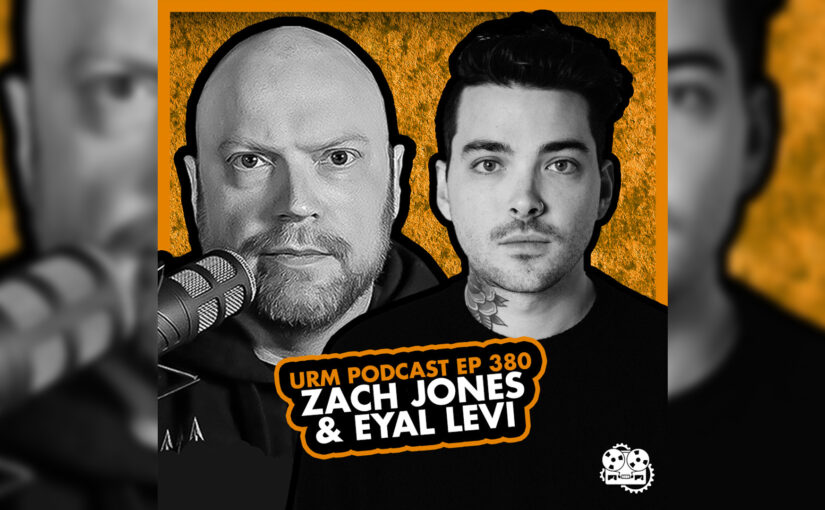
ZACH JONES: Producer Psychology, Creative Workflow, Getting Repeat Clients

Producer, songwriter, and musician Zach Jones has built an impressive and diverse portfolio working with artists like We Came As Romans, Plain White T’s, Fever 333, Veil of Maya, and Chelsea Grin. Equally comfortable co-writing and developing an artist’s sound as he is behind the board, Zach brings a holistic and artist-first approach to his productions.

In This Episode

Zach Jones sits down for a chill but insightful chat about the psychology and workflow of a modern producer. He gets into the nitty-gritty of structuring his day for maximum creativity, the career milestone of finally being able to take weekends off, and why that time away is so crucial for staying sharp. Zach shares his philosophy on being an integral part of the creative process—acting as an extra band member rather than just an engineer. He offers some killer advice on navigating sensitive creative conversations, explaining how to suggest changes and give feedback without killing the studio vibe or putting an artist on the defensive. He also breaks down how building genuine rapport with a band before even hitting record, as he did with Veil of Maya, lays the foundation for a smooth and successful project. It’s a great look into the human side of making records and what it takes to get clients coming back.

Timestamps

  • [2:45] Zach’s daily workflow: mixing in the morning, creating in the afternoon
  • [5:54] The four-to-five-hour sleep sweet spot
  • [8:01] The benefits of taking weekends off for a creative recharge
  • [9:32] Why you have to earn the right to take days off early in your career
  • [12:21] Why Zach avoids “shut up and push record” sessions
  • [14:45] The difference between caring about the final product and being creatively invested
  • [17:32] How to suggest changes without turning it into a debate
  • [20:30] Keeping negative language out of the studio to maintain momentum
  • [22:05] The importance of building rapport with an artist before the session starts
  • [27:34] The story of how he landed the Veil of Maya record
  • [29:35] Why getting repeat clients is a major career milestone
  • [31:20] Why being a “genius” producer isn’t enough if you’re a nightmare to work with
  • [34:28] The problem with over-intellectualizing creative choices
  • [36:25] When the real answer to “Why did you use that?” is simply “Because it worked”
  • [38:34] How the explosion of online learning has changed music production
  • [42:10] How the home recording revolution killed the “shitty local studio”
  • [46:36] Securing a long-lasting career by becoming irreplaceable to artists
  • [47:19] Launching his new record label, Blood Honey
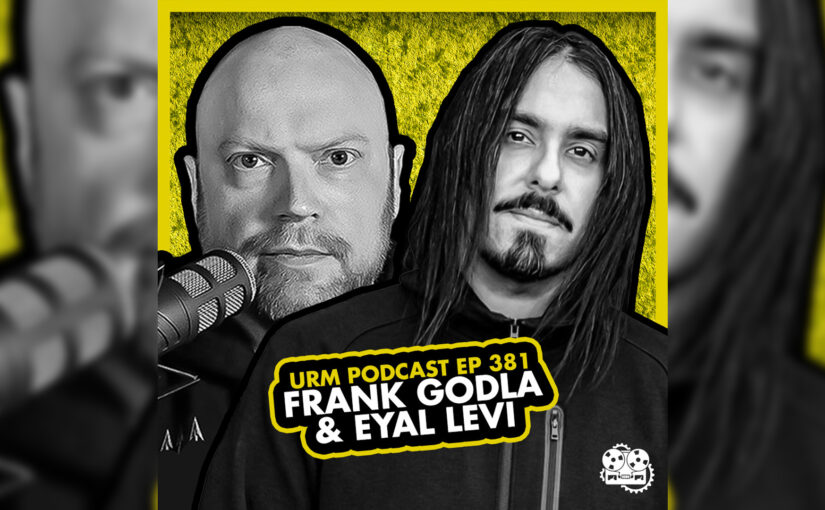
FRANK GODLA: The Digital Nomad Lifestyle, Building Metal Injection, and Finding a Unique Voice

Frank Godla is a musician and the co-founder of the influential media outlets Metal Injection and Metal Sucks. For nearly two decades, he has been a key figure in online metal journalism, championing the genre’s progression through news, interviews, and innovative video content that helped define a new era of digital media for heavy music.

In This Episode

Frank Godla gets real about the mindset and lifestyle behind his influential career in metal media. He shares the story of how he reinvented his life to become a “digital nomad,” traveling the world while running his empire from the road. Frank discusses why he values real-world experiences over material success and how that philosophy shaped his journey. He dives into the early days of Metal Injection, explaining how he and his partners cornered a market before it even existed by learning from their mistakes and embracing a DIY ethos. He also breaks down the massive undertaking of the “Slay At Home” virtual festival, the pressures of content creation, and why finding a unique voice is the most critical and difficult challenge for any band today. It’s a deep conversation about creative drive, personal growth, and what it really takes to build something meaningful from the ground up.

Products Mentioned

Timestamps

  • [05:30] Becoming a “digital nomad” after a personal crisis
  • [09:28] How humble beginnings fueled his desire to travel
  • [11:53] Finding comfort in uncomfortable situations and escaping the “rat race”
  • [15:20] Why experiences, not luxury items, lead to true happiness
  • [20:01] Maneuvering a media career to support a nomadic lifestyle
  • [26:09] Cornering a market before it existed and the importance of learning from failure
  • [29:11] The evolution of Metal Injection from a TV show to a full media outlet
  • [35:38] The pressure of constantly trying to top your last big project
  • [38:06] Why the time you spend on something doesn’t equal its value
  • [42:14] Remixing classic albums vs. preserving the original vision
  • [46:06] Gauging a live performance: audience connection vs. technical perfection
  • [47:06] The “energy transfer” between a band and the crowd
  • [50:15] How Frank deals with situational anxiety before performing or interviewing
  • [55:56] The importance of zooming out for the big picture
  • [59:56] The origin story of the “Slay At Home” virtual festival
  • [01:06:27] The challenge of creating a “band” feel when collaborating remotely
  • [01:16:30] Why being unique is the hardest and most important thing for a band to do
  • [01:17:47] How to develop a unique sound by carefully curating your influences

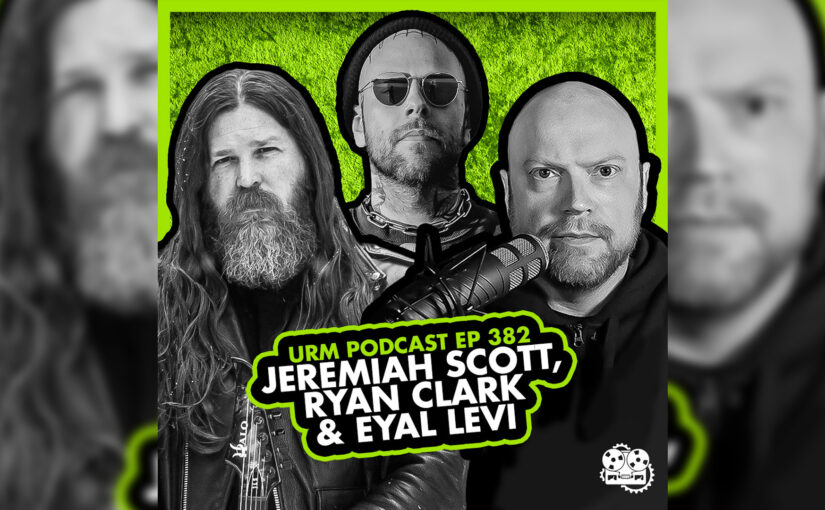
DEMON HUNTER: Going Independent, Mixing *Exile*, and Recording Horror Stories

Jeremiah Scott is a guitarist, songwriter, and producer for the metal band Demon Hunter, and Ryan Clark is the band’s vocalist and co-founder. While Ryan handles the band’s distinctive art and visual identity, Jeremiah Scott is the in-house production guru, having produced and engineered their records for the last decade. On their 11th album, Exile, the band’s first independent release, Jeremiah took on mixing duties for the first time, giving them complete creative control from start to finish.

In This Episode

Demon Hunter’s Ryan Clark and Jeremiah Scott drop by to discuss the process behind their first fully independent album, Exile. They get into the weeds on why extreme preparedness in the pre-production phase is the key to unlocking creativity—not stifling it—and how their DIY ethos extends beyond the music into every aspect of the band. Jeremiah breaks down the crucial decision to mix the new album himself, explaining how the record’s experimental nature and defined vision would’ve been a nightmare to hand off to an outside engineer, even one as trusted as their usual mixer, Zeus. They also share some hilarious and relatable horror stories about permanent recording mistakes, dealing with condescending live engineers, and the fine line between respecting your band’s brand and keeping things artistically fresh. It’s a super practical look at how a veteran band takes total control to get the exact record they want.

Timestamps

  • [5:29] Demon Hunter’s philosophy on being hyper-prepared for the studio
  • [6:30] “Twinkle sessions”: adding creative details after the main tracking is done
  • [9:04] The bureaucracy of record labels and why they pay collaborators immediately now that they’re independent
  • [16:13] Why being prepared allows for *more* creativity, not less
  • [19:24] The realities of being in a successful band that isn’t your full-time job
  • [22:11] Ryan’s take on why touring 300 days a year is a “stupid way of life” for people with families
  • [24:07] The reason Jeremiah decided to mix Exile himself instead of using their regular mixer, Zeus
  • [25:56] Breaking self-imposed audio engineering “rules” like using three drum kits at once
  • [30:12] The DIY punk ethos behind making the new record entirely on their own terms
  • [32:59] Getting to the point where you listen back to your own record and wouldn’t change a thing
  • [36:28] The story of a permanent mistake on the song “Fading Away”
  • [37:22] A guest vocal spot that ended up a half-measure off on the final recording
  • [42:52] The anxiety of giving mix notes to a top-tier mixer you respect
  • [48:00] How Ryan’s trust in Jeremiah as a producer evolved over multiple albums
  • [53:45] The “tambourine in the chorus” trick they learned from producer Aaron Sprinkle
  • [1:06:19] How Demon Hunter balances evolving their sound with giving fans what they expect
  • [1:10:15] Discussing the band’s “brand” without it feeling corporate or contrived
  • [1:12:16] Jeremiah’s origin story: a bad experience at a local studio
  • [1:16:04] Dealing with condescending in-house live sound engineers

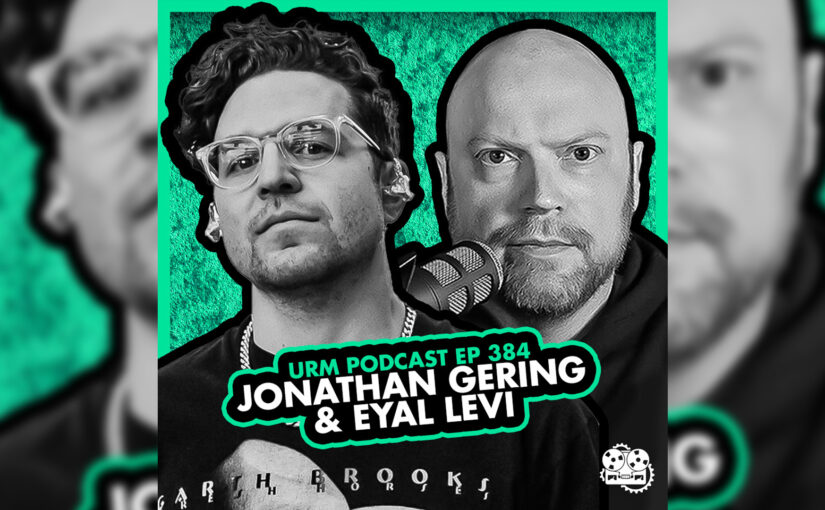
JONATHAN GERING: Writing For The Garbage, The Producer Mindset, Reading The Room

Jonathan Gering is a musician, producer, and songwriter who currently handles keyboard duties and serves as the in-house producer for The Devil Wears Prada. His diverse production and songwriting credits also include work with major artists like A Day To Remember, One OK Rock, and Papa Roach.

In This Episode

Jonathan Gering drops some serious wisdom on the creative mindset required to survive and thrive as a modern producer. He gets real about the delicate balance of songwriting—how you have to love your idea like it’s your child, but also be ready to throw it in the trash without a second thought. Jonathan breaks down the concept of “writing for the garbage” as a way to stay prolific, avoid getting stuck on one “perfect” idea, and build a massive catalog of creative starting points. He also dives into the collaborative side of things, stressing the importance of reading the room and understanding that the goal isn’t to make the “best song possible,” but the best song the people in that specific room can make together on that day. From dealing with client feedback (or the lack thereof) to using music theory as a tool instead of a cage, this conversation is packed with actionable advice for navigating the psychological and artistic challenges of making music for a living.

Timestamps

  • [2:14] The pros and cons of going to audio school
  • [3:24] Why there are no “rules” in music, only guidelines
  • [5:38] Your mindset is the key to getting the most out of any education
  • [7:25] Dealing with getting ghosted by potential clients
  • [11:00] The mix isn’t for you, it’s for the audience
  • [14:32] Songwriting: Love your idea, but be ready to throw it in the trash
  • [16:17] Why getting too attached to one idea will get you stuck
  • [18:35] The creative power of “writing for the garbage”
  • [21:07] Keeping your system for organizing song ideas simple
  • [26:16] The importance of daily creative practice
  • [28:54] “Being uninspired is not a reason to not write something”
  • [30:46] Don’t be afraid to delete your first idea if a later one is better
  • [33:11] Why reading the room is a critical skill for producers
  • [35:26] The goal: Make the best song the people *in the room* can make *today*
  • [38:55] How creative limitations can actually help you write better songs
  • [42:17] How to know if the “magic” you feel will translate to listeners
  • [44:16] A good mix can only amplify the magic that’s already in the song
  • [48:03] Pinpointing the best feeling in the entire creative process

DAVE OTERO: Pricing Creative Work, Modern Production Standards, Quad Cortex vs Kemper

Producer Dave Otero of Flatline Audio joins Archspire guitarist/songwriter Dean Lamb for a wide-ranging conversation. Dave is known for his work with some of modern metal’s most intense bands, including Cattle Decapitation, Allegaeon, and Khemmis. Dean’s band, Archspire, won a Juno Award (the Canadian Grammy) for their 2021 album Bleed the Future, which was produced by Dave.

In This Episode

Dave Otero and Dean Lamb drop by for a super chill but insightful chat that’s part creative philosophy, part music business reality check. They kick things off by exploring the producer’s role in songwriting, emphasizing the importance of a fresh perspective and trusting your gut reaction to a riff before you get too attached to it. From there, the conversation pivots to the often-uncomfortable business side of music. They get real about the challenges of setting a price on your creative work, knowing when to start charging for your services, and the necessity of having those awkward money talks upfront to avoid drama later. They also touch on the astronomical cost of touring and how to stay afloat. For the gear heads, Dave gives his take on the Quad Cortex versus the Kemper. The guys wrap up by discussing how the impossibly high standards of modern production have paradoxically pushed a new generation of musicians to achieve unbelievable levels of skill, and why logging tons of hours on stage is the only real way to forge a killer live show. It’s a must-listen for anyone navigating the dual worlds of art and commerce in metal production.

Products Mentioned

Timestamps

  • [0:05:43] When a producer should get involved in the songwriting process
  • [0:07:23] The danger of getting “married” to an idea, even if it’s not working
  • [0:10:42] Separating personal taste from objective producer guidance
  • [0:14:16] Why a band needs a balance of technical and “feel” players
  • [0:17:25] Why you should just delete a riff that’s only “almost” working
  • [0:23:23] The astronomical costs of touring overseas for a metal band
  • [0:25:08] Why new bands should focus on music first, business second
  • [0:28:37] The importance of having uncomfortable business conversations upfront
  • [0:33:48] The difficulty of setting a price for your creative work
  • [0:37:37] How to know when your expertise is valuable enough to charge for
  • [0:39:34] The role of a producer manager and why some producers use them
  • [0:49:35] Dave’s process for calculating and quoting his project fee
  • [0:56:54] Dave’s take on the Neural DSP Quad Cortex vs. the Kemper
  • [1:01:47] Why the aesthetics and UI of gear and plugins matter
  • [1:15:45] Are modern recording techniques setting an impossible standard for new players?
  • [1:17:08] How edited drums inspired a generation of hyper-skilled drummers
  • [1:23:52] Crafting the live experience: The final step for a developing band
  • [1:27:24] Archspire’s grueling 5-day-a-week writing schedule