urmadmin, Author at Unstoppable Recording Machine - Page 39 of 45

It’s Digital, You Can Change It Later…

It’s Digital, You Can Change It Later… | By Dave Whalen | 

Perhaps the most common misconception in the modern, digital world of recording is the idea that you should record everything as pristinely and clean as possible.  The reason is simple: it allows you to make critical decisions later in the process.  Sure this may allow you to focus on other critical aspect such as performance, but the idea of leaving every other decision until later on can be detrimental to the recording process.

For a long time, I actually subscribed to this theory of recording. Especially as a beginner, the idea that I could tinker around endlessly with the sounds of my recorded takes was extremely enticing.

That’s exactly what I did.

I messed with everything and when I had it perfect, I would mess with it some more.  After all, that tambourine part needed to be punchy and vibey and shimmery (or did it?), even though I had absolutely no idea how I would get it there. 

In fact, I had so much latitude with how I made creative decisions, hardly any decisions ever got made. No songs ever got completed!  In fact, it was probably a good year before my copy of Cubasis VST (which came with my Soundblaster Audigy soundcard) ever saw the end of a song. 

And that’s the root of the problem – too many options.  Options can actually be the enemy of getting things done, especially if you’re only vaguely familiar with options you have. For instance, if you have 20 different options for EQ, some digital and some modeled, and you’re not intimately familiar with the character or capabilities of any of them, you’re extremely likely to get stuck in a cycle often described as “analysis paralysis,” where you spend too much time analyzing what you’re doing and nothing actually gets done.

Let not your heart be troubled though, there is a solution:

confidence

(Take the leap)

Commit early

Make a decision early on and lock yourself into it. Commit to it, and move onto the next decision. This is especially important when deciding on tones. You should always try and capture a high-quality DI’s on your guitars and bass, but dial in a great guitar tone and capture that as well. Try and commit to using it as the final tone. ONLY use the DI as a last resort in case you really screwed it up.

Drum tones are another area where it’s good to commit. If you have a way of dialing in your EQ and some mild compression on the way in, do it. Get those drum sounds as close as you can to what you think the final product will be. You’ll always be able to make small tweaks later to blend the instruments.

Another area where it’s easy to run into trouble is when you’re composing extra synth or string parts for your production. You want to write the part, dial in the settings on the synth or whatever instrument you’re using, print it, and delete the original.

The same thing goes for special effects.

Say you want some sort of delay throw for a vocal track; play with your delay, distortion, reverb and other toys until you hear what you want to hear. When you get it, print it and delete the original track. Repeat this method for all of your vocal effects.

It’s also beneficial to take a similar track with your mixing tools. Personally, 90% of the time I limit myself to 3-4 EQ’s. I know exactly how they sound and how they affect the source material, on every mix. I also limit myself to 2-3 different types of compressors. This enables me to be extremely familiar with how each of these tools behaves under various circumstances. It also gives me the experience to be able to say to myself, “These tools won’t do what I want them to, I’m going to experiment with something new.” This in turn enables me to gradually assimilate other tools into my workflow, allowing me to expand my knowledge of different tools without being overwhelmed by them.

At first, locking yourself into these types of decisions can be a scary proposition. Especially if you’re inexperienced, you may be intimidated at the idea that you don’t know what will sound good as a final product. There’s no doubt, making judgment calls like these requires some experience, as well as confidence in what you’re doing and what you’re hearing. Fortunately, there are a few tactics you can use to get around this until you develop your tastes and style:

Do what you think sounds good

It is entirely possible that you can dial every instrument in your song to perfection individually and it sounds like crap when it’s all put together, but it’s not likely. Remember, every great mix is the result of a thousand small moves which were done well, and most of those moves were on individual instruments. A bass that sounds killer in solo will probably sound great in the mix too.

hofa-blindtest

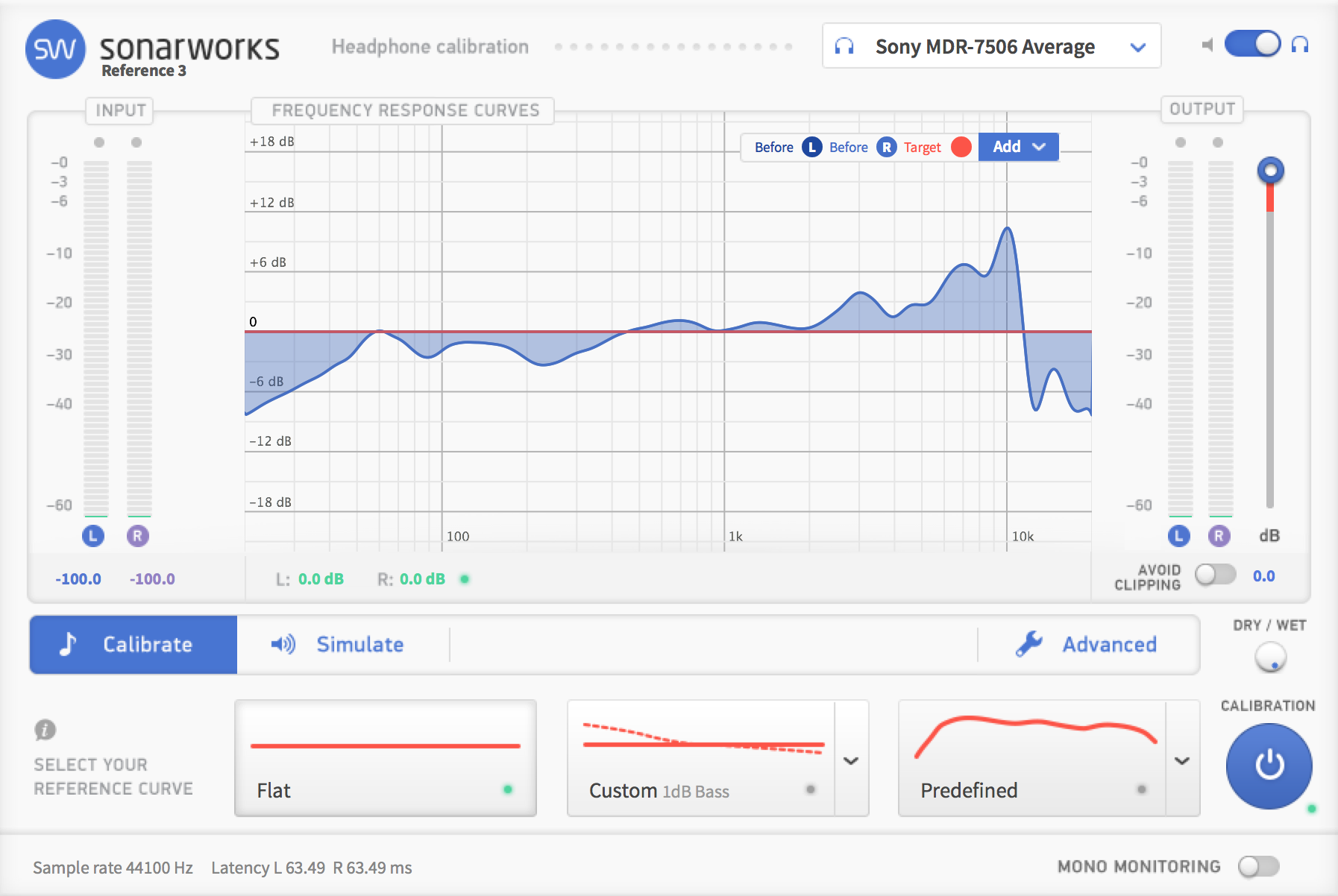
(HOFA BlindTest lets you do a blind test of different plugins on your tracks)

Do multiple versions of tracks

If you’re having trouble deciding on a sound or are unsure if the end result will fit your mix, do multiple versions of the same track. Use five different chains on your kick or snare or vocal. You’ll probably find that not only does each iteration become less important, but there will be less pressure to get the perfect sound.

Realize there is no “right way” to get a sound

There are a lot of myths surrounding the proper way to get a sound on any given instrument.  I call shenanigans! Sure there are tried-and-true methods that will work eighty percent of the time, but twenty percent of the time it won’t work! When you find yourself in that spot, just remember there are no set rules on how to get there.  It’s like Chris Lord Alge once said, “Just do it, no one’s going to die.”

Pretend there is no “next stage” in the process

Imagine your DAW malfunctioned and suddenly, you could only use faders and panning to make your mix.  Record all of your instruments as if recording is the last stage in the process. When you throw your faders up, it should sound like a mixed song – almost done.  When you’re in the mixing phase, pretend there is no mastering process to fix the mix problems.  It should sound like a great mix before it ever goes to mastering.

winning

Finish the damn song

This is perhaps the most important part of the puzzle.  Creative people don’t become masters of their craft by obsessing over a single piece of work. They get better gradually, over a large body of work.  As you finish more songs you will become more comfortable with the process. You’ll begin to realize there are no right or wrong sounds, only what’s appropriate for the context of the song.

So next time you’re tempted to rush through the process of recording so you can get onto fixing everything, don’t. There should be nothing to fix in the first place. Remember, you’re not doing this so that you can be finished with it; you’re making art, and art takes time, dedication, and attention to detail. Get it right from the very beginning.


Dave Whalen is a producer and mix engineer currently based in western Ohio.
You can find some of his work and other production/mixing tips on his website – The Mix Shed.

Nail The MixNail The Mix is our online mixing school that gives you REAL multi-tracks from REAL bands, plus a mixing class from the producer who recorded it. Past guests include Periphery, Chelsea Grin, Machine Head and State Champs. Join now for instant access!


Eyal Levi: Finishing your music, acoustic treatment, and landing the Audio Hammer gig

Eyal Levi is a producer, engineer, and co-founder of URM Academy and Nail The Mix. As the guitarist for the band Dååth, he was deeply embedded in the metal scene before transitioning to a full-time production role at the legendary Audio Hammer Studios alongside Jason Suecof and Mark Lewis. He’s worked on acclaimed albums for bands like The Black Dahlia Murder, August Burns Red, Whitechapel, Chelsea Grin, and Trivium.

In This Episode

In the very first “Dear Eyal” Q&A session, Eyal Levi tackles some of the most common hurdles producers face. He kicks things off by addressing creative self-doubt, offering some real-talk advice on how to stop hoarding audio and actually finish your damn projects by adopting a “fuck it” mentality. Next, he dives into the practicalities of room treatment, breaking down the DIY vs. pre-made debate, explaining the basic principles of acoustic treatment, and warning against the common pitfalls of using cheap foam. To wrap it up, Eyal shares the full story of how he landed his gig at Audio Hammer Studios, detailing how a five-year friendship built on genuine networking—not just transactional asks—led to a life-changing opportunity. He also recounts some incredible memories, from having Colin Richardson track Trivium in his drum room to recording one of his all-time favorite bands, The Black Dahlia Murder.

Products Mentioned

Timestamps

  • [1:37] How to overcome self-doubt with your personal work
  • [3:36] Adopting a “fuck it” mentality to finish projects
  • [4:19] What’s the worst that can happen if a client dislikes your mix?
  • [5:43] Using Nail The Mix deadlines to build confidence and finish tracks
  • [7:22] Why hoarding audio and working on one song for too long hurts your progress
  • [9:12] Room Treatment: DIY vs. buying pre-made panels
  • [10:24] The problem with working in an untreated room
  • [11:30] Why Eyal recommends buying panels if you can’t build them
  • [12:35] Room treatment basics: reflection points, bass traps, and ceiling clouds
  • [15:35] Why you should avoid using acoustic foam by itself
  • [17:30] The Great White club fire and the dangers of acoustic foam
  • [18:49] How Eyal landed the job at Audio Hammer Studios
  • [19:40] The importance of building genuine, long-term relationships (networking)
  • [23:00] How a crisis in his band Dååth led to the Audio Hammer opportunity
  • [25:00] Memorable experience #1: Colin Richardson tracking Trivium drums
  • [26:12] Memorable experience #2: Earning Jason Suecof’s trust on the Demon Hunter mix
  • [27:20] Memorable experience #3: Recording drums for The Black Dahlia Murder

GREGORY SCOTT: Analog vs. Digital Philosophy, Using Faders for Groove, Making Digital Feel Analog

Gregory Scott is the founder and product designer behind Kush Audio and Sly-Fi Digital, creating some of the most unique and vibey hardware and software in pro audio. Known for his “Pragmatic Snob” philosophy, Gregory has developed a dedicated following for his musical tools, including the distinctive Clariphonic and Electra EQs, the versatile Tweaker compressor, and the beloved UBK-1 plugin, which captures the magic of his famed UBK Fatso hardware modification.

In This Episode

Kush Audio founder Gregory Scott drops by for an incredibly nerdy deep dive into the art of sound. He explains his core design philosophy: analog is best at adding things to a sound, while digital excels at taking things away. Gregory gets into the weeds on why plugins still can’t quite capture the transient behavior and non-linear “living” quality of analog circuits, offering a killer tip on using saturation to make digital compressors feel more responsive. He also shares a life-changing story from his time with mixer Michael Brauer, revealing how the top pros use faders and compression not just for level control, but as an instrument to create movement, density, and groove. This one’s packed with technical insights and creative philosophy that will make you rethink your relationship with your tools, whether they’re in a rack or on your screen.

Products Mentioned

Timestamps

  • [7:58] His “Pragmatic Snob” philosophy and why he embraced making plugins
  • [10:33] The concept behind Sly-Fi Digital: emulating his own circuit-bent gear
  • [13:05] Gregory’s core philosophy: analog adds things, digital takes things away
  • [14:27] Why plugins still struggle to accurately capture analog’s transient behavior
  • [17:06] The importance of collaboration and knowing when to delegate
  • [22:12] Why even perfectly matched plugin and hardware compressors can feel totally different
  • [24:46] How analog gear alters transients even when no processing is engaged
  • [26:23] Tip: Use saturation plugins before digital compressors for a more analog feel
  • [28:36] A deep dive into the non-linear behavior of analog compressor release circuits
  • [39:26] A life-changing lesson learned from watching Michael Brauer “play” the faders
  • [40:47] Using faders to create rhythms and movement with elements buried in the mix
  • [48:27] The design process behind the Electra EQ: creating a tool that sounds like music, not frequencies
  • [54:34] The one piece of gear that still mystifies him: the API 525 compressor
  • [58:19] A go-to tracking setting for the Kush Tweaker
  • [59:43] His “eureka moment” with compressors: using them to define movement and groove
  • [1:01:27] A practical exercise for learning how to hear a compressor’s movement
  • [1:14:02] Advice for aspiring gear designers: Execution and relationships trump ideas

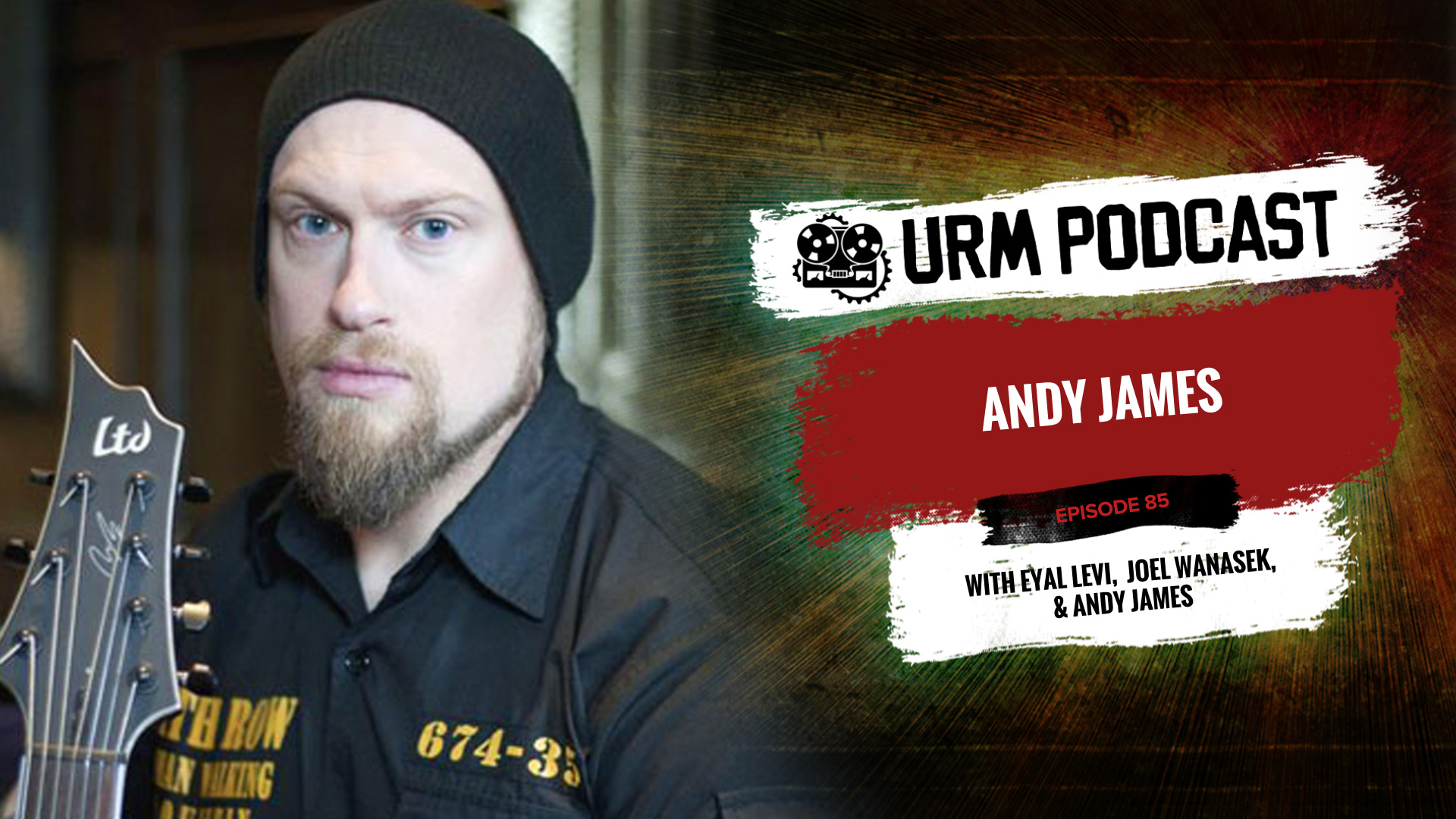
ANDY JAMES: Winning Nail the Mix, Recording Tight Guitars, and the Real Secret to Networking

Andy James is a prolific UK-based guitarist known for his incredible technical skill and melodic sensibilities. He has released four solo albums and recorded four albums with the band Sacred Mother Tongue, and currently plays in a new project called Wearing Scars. A respected educator, he has created a vast amount of content for Lick Library and runs his own popular online school, the Andy James Guitar Academy. He is also a winner of the URM Nail the Mix competition, taking the top spot for his mix of the Papa Roach song “Face Everything and Rise.”

In This Episode

Guitar virtuoso Andy James drops in to chat about his unexpected journey from being a touring musician to becoming a Nail the Mix champion. He shares the full story of how a serious health scare led him to dive headfirst into mixing as a form of therapy, and he breaks down the techniques he used on his winning Papa Roach mix—from completely rebuilding the drum track with samples to tackling lead vocals for the first time. Andy also gets into the weeds on his guitar-centric philosophies, discussing how to record ultra-tight rhythms, why midrange is the key to a great solo tone, and the importance of writing melodic parts that even non-musicians can connect with. Beyond the technical talk, he shares some killer insights on building a career, networking by just being a cool person to hang with, and adapting to the ever-changing music industry.

Products Mentioned

Timestamps

  • [0:03:44] Andy’s early disinterest in the recording process
  • [0:05:39] Learning to record tight guitars from producer Scott Atkins
  • [0:07:48] How Killswitch Engage was his proper introduction to modern metal
  • [0:12:02] The technique of playing one riff to a click for a minute straight to lock it in
  • [0:15:13] How his producer pushed him to play more exciting and unexpected solos
  • [0:21:16] Finding your own voice by listening to music outside your main genre
  • [0:28:54] How a near-death experience led him to get obsessed with mixing
  • [0:32:16] His approach to his winning Nail The Mix entry for Papa Roach
  • [0:35:05] Recreating the entire drum track with Drumforge and samples
  • [0:42:21] How dissecting player styles for Lick Library trained his ear for mixing
  • [0:49:32] Why it’s so much harder to mix your own music
  • [0:54:16] The key to a great solo guitar tone: midrange and not too much gain
  • [1:01:00] His process for writing solos by improvising hundreds of takes
  • [1:04:33] His new signature Dunlop pick that helps him play without warming up
  • [1:08:47] Details on his go-to EMG pickups
  • [1:12:16] How to write melodic shred solos that appeal to non-musicians
  • [1:27:54] The real secret to networking: just be a normal person people want to hang out with
  • [1:37:30] Why success ultimately boils down to how hard you’re willing to work

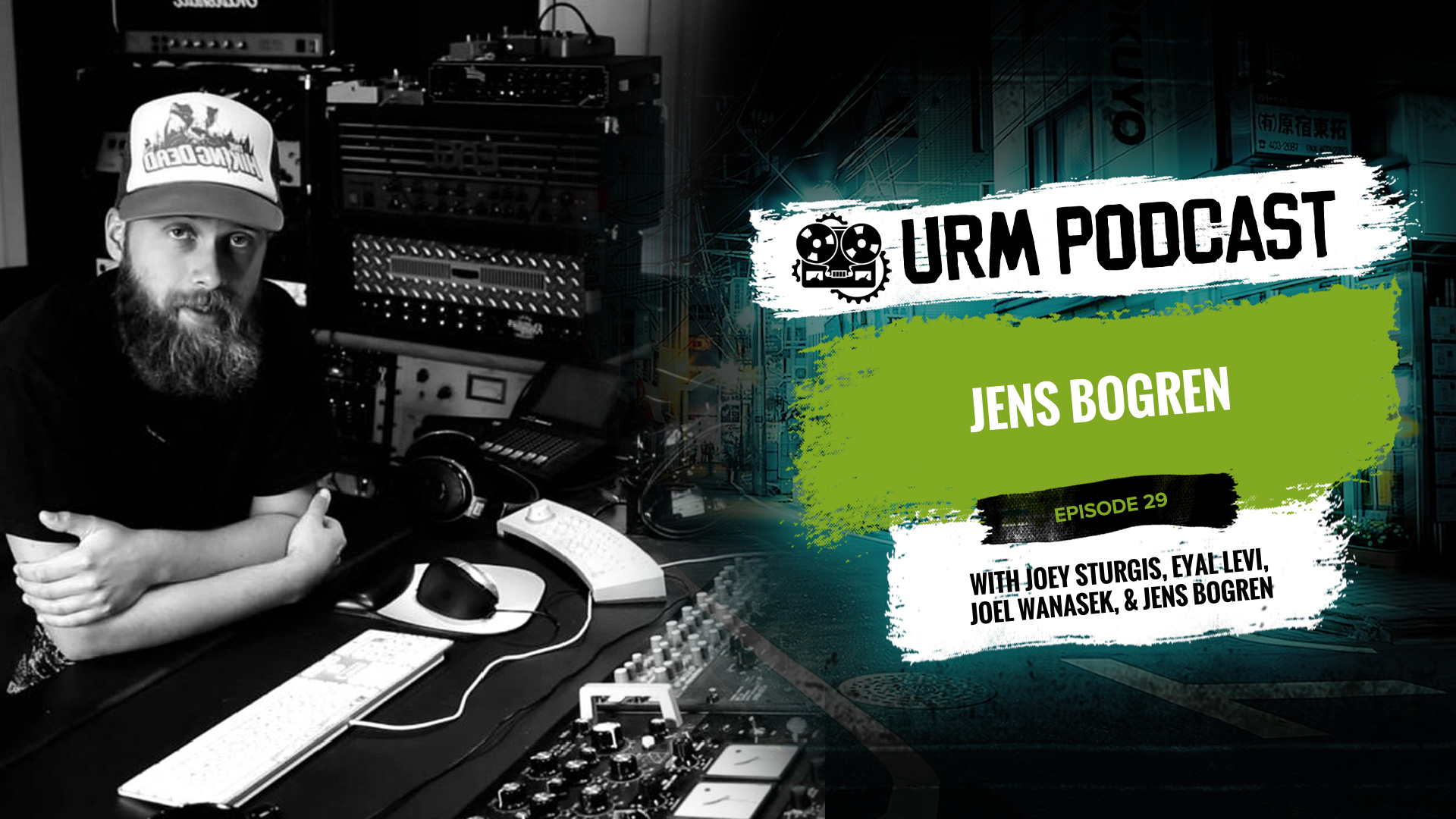
Jens Bogren: Building His Studio Empire, Hybrid Mixing Workflow, Go-To Signal Chains

A true titan of modern metal production, Jens Bogren is the man behind the board for some of the genre’s most iconic albums. From his world-class Fascination Street Studios in Sweden, he has shaped the sound of bands like Opeth (on seminal records like Ghost Reveries and Watershed), At The Gates, Arch Enemy, Between the Buried and Me, Kreator, and Devin Townsend. His signature style blends massive, modern punch with a natural, dynamic feel that always serves the song.

→ Get his plugins, samples and more at Bogren Digital

→ Check out his course, “How It’s Done w/ Jens Bogren

In This Episode

Jens Bogren hangs out with the guys to talk shop, tracing his path from teaching sound engineering to building his own studio empire. He gets into the nitty-gritty of why hard work, luck, and timing were all crucial to his success, and how a key recommendation led to his breakthrough gig with Katatonia. For all the gearheads, Jens breaks down his hybrid workflow, explaining why he commits to his analog chains early and which pieces of outboard he still can’t live without. He shares his philosophy on achieving huge, modern drum sounds while keeping them feeling real, starting with the source recording and using samples for support, not as a crutch. Plus, he drops some serious knowledge in a rapid-fire round, detailing his go-to signal chains for everything from snare drums and heavy guitars to screamed vocals and acoustics. This episode is packed with practical wisdom and technical details from a master of the craft.

Products Mentioned

Timestamps

  • [6:52] The history of Fascination Street Studios
  • [10:47] Jens’ early career and the transition to full-time producer
  • [15:05] The formula for success: luck, timing, and talent
  • [16:04] How working with Katatonia became his first big break
  • [18:28] The importance of working insane hours when you’re starting out
  • [22:01] Why the Opeth album “Ghost Reveries” was a career turning point
  • [23:48] Adapting his production style for bands with different levels of creative vision
  • [27:25] Jens’ hybrid workflow and why he commits to hardware processing early on
  • [31:11] The reason he started mastering his own mixes
  • [34:18] His philosophy on getting natural yet modern drum sounds
  • [37:04] Rapid Fire: Snare drum recording chain
  • [38:32] Rapid Fire: Room mic techniques, including using reflection filters on cymbals
  • [40:29] Rapid Fire: His meticulous process for miking a guitar cab
  • [44:15] Rapid Fire: Vocal recording chain and when to use an SM7 vs. a U 47
  • [48:55] How to edit and mix intense, fast double-kick drums without creating mud
  • [53:09] Mixing dense, complex arrangements and why you should avoid the solo button
  • [59:37] His take on stereo bass and when (or when not) to use it
  • [1:05:05] Advice for up-and-coming engineers