urmadmin, Author at Unstoppable Recording Machine - Page 30 of 45

Learn From The Legends – Volume 2: Randy Staub

Introduction To The Series:

Learning How To Learn is one of the most crucial steps you can take towards becoming great at pretty much anything – And what better place to learn than from the minds of people who have actually been doing the job successfully for years?

In this ongoing series of Blogs, we’ll explore the valuable words of wisdom bestowed upon us by some of the most sought after names in the recording studio business, and discover how you can apply this advice to your own situation.

This week, we’re taking a look at some excellent advice from a man who’s been involved with some of most successful and influential albums in metal history: Randy Staub.

NOTE: If you’re hoping to find some “secret mix settings” or “magic formulas” in this article then you might as well leave now… I can guarantee you that the real secrets behind each of these engineers’ success are their ears and personal tastes.

Remember:

Following the practical “workflow and decision-making” advice these guys have to offer from years of experience in the business is far more valuable than trying to copy the settings they’ve used for specific songs!

VOLUME 2: RANDY STAUB

1 VOLUME 2 RANDY STAUB

Who Is Randy Staub?

Randy Staub is a Canadian recording & mixing engineer best known for his groundbreaking work on Metallica’s Black Album. His signature sound is one of the most recognisable in the industry and often cited as a golden standard in the worlds of hard rock and heavy metal production.

Some of the artists he’s worked with include:

Metallica

Motley Crue

Bon Jovi

Alice In Chains

Nickelback

Evanescence

Stone Sour

AND MANY MORE…

Now that you know exactly who you’re dealing with, let’s cut straight to the chase:

Here Are 5 Pieces of Audio Advice From Randy Staub:
1 – THE IMPORTANCE OF THE ROUGH MIX

2 RANDY ROUGH

I like to talk with the producer and artist before I begin mixing, to get as clear a picture as possible of what they want to achieve. For the same reason, I like to hear the rough mixes, because people will have spent a lot of time on them, and they give me a basic idea of the kind of balance and perspective that the artist and producer have in mind.” – Randy Staub

Swallow your pride – Take cues from the rough:

NOTE: It goes without saying that not all sessions you receive to mix will necessarily have been recorded by people who know what they’re doing… In this case, I’m primarily talking about the situations where a fairly decent rough mix has been provided for reference alongside the raw material.

  • Your personal inclinations as a mixer won’t always align with that of the band & producer. Paying close attention to a client’s rough mix is the easiest way to gain some quick insight into their vision for the track and help you to determine the sonic direction to take it in.
  • The band and producer have probably been listening-to & tweaking the rough mixes for weeks, even months before finally handing the sessions over to you. Chances are: They’re probably already in the same ballpark as what they want the end product to sound like.
  • A mixer’s job is often simply to realise the artist’s vision and try to make it sound clearer, punchier, wider, etc… not to re-imagine and change the entire thing (Unless you’ve been told otherwise…) If the client wanted the final mix to sound drastically different from the rough, they probably would have recorded it differently in the first place!
  • Your first playthrough of the rough is extremely crucial, as it’s the only time you’ll get to hear the track with an unbiased perspective. Don’t underestimate the value of fresh ears. It’s all too easy to develop a blind-spot towards certain issues as you start to grow more familiar with the material.
  • Always make sure to take quick note of anything that jumps out at you during this “honeymoon” period (both the good, and the bad). Your initial reactions are comparable to those that a potential audience member might have, and are consequently the most important things to address while mixing the song.
2 – IT’S CALLED “MIXING”, NOT “FIXING”…

3 RANDY FIXING

If something is recorded very poorly, then chances are it will sound poor in the end. There’s definitely a correlation, and young engineers need to realise that. It’s surprising how often I get comments where they’ll send a song over and say they want the drums to sound like Metallica, and I’ll pull the drums up and it sounds absolutely nothing like Metallica. I’ll ask them: ‘When you were in the studio getting the sounds did you put on a Metallica record and A/B? No? Well it doesn’t just come out of thin air, it’s gotta to be in there to begin with…’ If young engineers spend little more time crafting it how they want, then at the end it’ll sound closer to how they want.– Randy Staub

I always tell people that you have to create the sound of the record that you want right from the beginning, so that when the mixer first pushes up the fader, the record is already there. If everything sounds the way it should, the arrangements are good, the emotion is there, the balance is there, then your job as a mixer is to take it to another level. – Randy Staub

The sounds need to be there from the get-go:

  • A/B referencing during the recording and mixing stages is a process that a lot of beginner engineers seem to undervalue until they’ve actually given it a go for themselves.
  • Our ability to accurately memorise specific sounds is extremely short-term, so it’s not worth relying solely on what you think something sounds like, only to find out that you’ve missed the mark entirely further down the line.
  • Do yourself a favour: If you have a particular goal in mind when trying to craft a sound, then actively reference it alongside your own material throughout the duration of the recording and mixing process in order to confirm you’re on the right track.
  • Another important step towards achieving these sounds is to simply do your research. Figure out the pieces of gear and techniques which were used in order to capture said sound. Experiment with your own setup until you’re happy with the results.
  • You can’t expect a strat going into a small combo amp to end up sounding like EMG’s into a 5150 with the few moves of an EQ during mixing…
3 – THE SECRET TO LEGENDARY GUITAR TONE?

4 RANDY GUITARISTS

There is no real big secret, except that you have to find a good sounding cabinet & head and have a great sounding player. If you have really good equipment it will naturally sound good, then you can take it to the next level with mic placement, the room it’s in and not over EQ’ing it. If the source is really good, it will sound good in the end!” – Randy Staub

Get the tone at the source:

  • It’s easy to get carried away with fancy techniques and endless chains of guitar pedals, only to end up wondering why your tones don’t sound like those of your favourite bands. Maybe it’s time to re-evaluate and go back to the bare basics…
  • Great guitar tones are rarely the result of heaps of processing and “secret mixing tricks”… In fact, you’d be surprised at how little EQ is actually being applied to a lot of the amazing tones you hear on records mixed by famous engineers. (Watch the Nolly or Kyle Black Nail The Mix videos and you’ll see exactly what I’m talking about)
  • Taking the time to learn how to properly dial in a guitar tone and place a microphone in front of a speaker cabinet in the room will go a long way towards reducing the amount of processing you’re having to mess with after the fact.

NOTE: Check out my “Recording Tips” Blog series from a few months back for a huge selection of video tutorials on tweaking amp settings and proper microphone placement.

https://urm.academy/make-recording-50-better-with-these-5-tips-part-2/

4 – DON’T SACRIFICE QUALITY FOR LOUDNESS

5 RANDY LOUDNESS

Records have become too loud, and I don’t like it too loud. You can only go so loud until you reach a point where records don’t sound very good any more. They become too linear, are fatiguing to listen to, and will distort on consumer electronics which can’t take the level.” – Randy Staub

Loud – But at what cost?

  • What’s the point in spending hours upon hours trying to squeeze transient punch and snap out of your drums if you’re just going to shoot yourself in the foot later on with an overcooked, “homebrew” mastering job using outdated tools…
  • At the end of the day, making sure your music is loud enough to hold it’s ground alongside everything else on the market is important, and disregarding the maximisation process in it’s entirety isn’t really a viable option at this point.
  • A better solution to this issue is to simply do your research towards figuring out the best techniques of retaining as much of the punch and perceived dynamics as possible while still reaching competitive volume levels.
  • Luckily, we now have access to some great new processing tools such as Joey Sturgis’ “Finality” and “JST Clip” and Kazrog’s “Kclip” which are designed for this very purpose. These products do an excellent job of preserving your dynamic impact and are a huge step up from what was previously available to engineers.
Check these plugins out here:

https://joeysturgistones.com/products/finality?variant=11134488897

https://joeysturgistones.com/collections/everything/products/jst-clip?variant=1263455681

http://kazrog.com/products/kclip/

  • Regardless of what you end up using, approach the concept of loudness with extreme caution. Always make sure there’s a valid reason behind each and every decision you make, and that you’re not just “steamrolling your mix flat” just for the sake of it.
5 – CONCLUSION: THE SONG IS KEY

6 RANDY THE SONG

It’s odd… I’ve worked on and mixed records where I’d swear on my grandmother’s grave that it’s gonna be a smash, and the thing barely makes a dent! Other records you work on you’re like ‘This is really good, but it’s not gonna take over the world’ and for some reason it does! So, it’s hard to predict… One thing I do know, is that if you don’t have a great song it definitely won’t be a hit.” – Randy Staub

A good song will transcend the quality of the mix:

  • Regardless of how great an engineer and mixer Randy is, some of the amazing albums he worked on would have probably still been fairly successful if the bands had chosen someone else to mix… How? Because the key ingredient that a lot of these albums have in common is the high quality of the songs.
  • Having a killer mix is definitely a bonus, and can really help convey the power or emotion of a song as it was originally intended. However, it’s important to always keep in mind that no amount of studio trickery or technical perfection will ever make up for the lack of strong core material to begin with.
Final Words:

This concludes “Learn From The Legends – Volume 2: RANDY STAUB.I hope that this article has given you some new ideas to try out during your next project. Be sure to comment below if any of this information has helped you out, or if you have any questions.

Stay tuned for more production/mixing related articles in the not-so-distant future!


Read Learn From The Legends – Volume 1: Chris Lord-Alge here!

Want mix tips from URM Academy? Read them here!

Nail The MixNail The Mix is our online mixing school that gives you REAL multi-tracks from REAL bands, plus a mixing class from the producer who recorded it. Past guests include Periphery, Chelsea Grin, Machine Head and State Champs. Join now for instant access!


Mixing MESHUGGAH guitars with Tue Madsen

Sometimes more is actually more

You’ll often hear us say that less is more – that if you’ve got a ton of plugins on every channel or super complex signal chains that it’s probably compensating for a mistake you made somewhere else. And while that is generally true (#tbt when I first started out and had like 4 or 5 EQs on my guitar tracks), there are exceptions. Sometimes more is actually more, with each new element adding something new and vital.

Mixing MESHUGGAH guitars w/ Tue Madsen | Nail The Mix

No Description

Such is the case with the guitars in this clip from Tue Madsen’s NTM session where he mixes “MonstroCity” by Meshuggah. This session is nuts, with over a dozen layers of guitars that blend 4 or 5 different tones (several amps, mics, etc).

And for 99% of bands, we’d probably say this is overkill. But as you’ll see and hear in the video, every one of these tones fills in a little gap in the other tones – it’s subtle, but they all layer on top of each other and combine into a guitar tone that’s fucking gigantic and absolutely crushing! Pay special attention to when he turns on the 4 “C-WATT” tracks and check out how it adds that extra bit of saturation that really takes them over the top.

A word of caution before you try this at home, remember that these guys are some of the very best players in metal and Tue is a ridiculous mixer. Go ahead and give it a shot if you want, but don’t let yourself get distracted by fancy stuff like this if you haven’t yet nailed the basics.

If you’re not super happy with your guitars, the answer is VERY rarely “add more tones.” 99% of the time that’s only going to make things worse– you’re almost always going to be better off focusing on the performances, cab/mic selection/placement, and other basics.


Nail The Mix

Nail The Mix is our online mixing school that gives you REAL multi-tracks from REAL bands, plus a mixing class from the producer who recorded it. Past guests include Periphery, Gojira, Chelsea Grin, A Day To Remember, Machine Head and State Champs. Join now for instant access!

Audio FAQs – Volume 1: Gear Essentials

Introduction To The Series

The world-wide-web is full of people asking questions and others giving answers. The problem is, it’s often difficult to tell which pieces of advice are actually worth listening to…

In this ongoing series of Blogs, we’ll answer some of the most frequently asked audio questions from around the internet in an attempt to stomp out some of the queries that have been burning holes in people’s minds.

This week, we’ll be looking at FAQs centered around some of the foundational gear knowledge which is crucial to get right when taking your first steps into the world of audio:

Volume 1: Gear Essentials

From first-hand experience, I know that recording & mixing can seem incredibly complex to somebody who’s just starting out. There are simply so many confusing terms and tools to learn about that it’s often difficult to know exactly where to begin…

This being the case:

Here are the answers to 5 gear-related FAQs that seem to pop up regularly:

FAQ #1 – Which Microphone Do I Buy?

1 FAQ1 - Which Microphone

The Short Answer – It depends on what you’re planning to use it for. There isn’t really a “one-size-fits-all” solution when it comes to choosing a first microphone.

The Long Answer:

Picking a good microphone early on is one of the best steps you can take towards achieving great sounding recordings from the get-go. There are a few variables which come into play when trying to determine which one is the most suitable for your needs, so it’s important to do your research beforehand.

Here’s my #1 piece of advice when it comes to buying your first microphone:

SPEND WISELY:

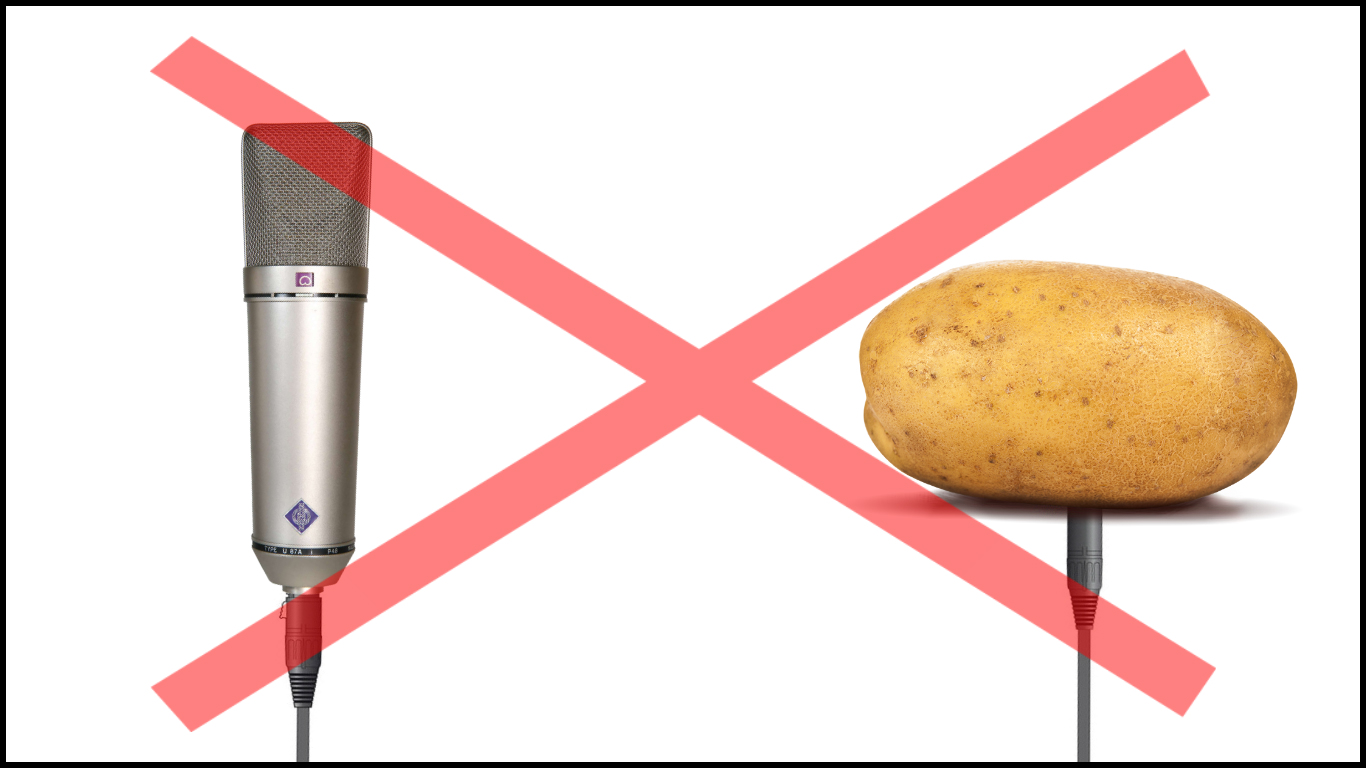
  • Don’t go overboard and spend thousands on your first microphone unless you’re also optimising the rest of your recording chain in order to do it justice!
2 Spend Wisely

  • There isn’t much point in recording with a great microphone if you’re picking up excessive room resonance and sending your signal through poor quality preamps, converters and monitoring.
  • You’re better off buying something more moderately priced, and using the excess money you’d be spending on upgrading the rest of your gear or recording room setup.
Here are a few great value microphone options that I’d personally recommend to someone starting out:

NOTE: The fact that these microphones are affordable doesn’t mean they’re bad by any means. I’d personally use any one of these options in a heartbeat without thinking twice about their sound quality.

  • Rode NT1-A, Aston Origin & Audio Technica AT4040: These are three great all-round condenser microphones at different price points which will all work well for most vocals and instrument mic-ing applications.
  • Shure SM7B: A great dynamic microphone option with excellent ambience rejection if you’re just looking for a solid vocal microphone.
  • Shure SM57: You simply can’t go wrong with buying an SM57 alongside whichever main microphone you choose to go for. This inexpensive piece of kit will cover all of your guitar and snare mic’ing needs and probably last you decades.

NOTE: I didn’t talk about the technical differences between microphones in this particular article, as I’ve already discussed them in thoroughly in previous entries. Check out my “5 Recording Tips” series if you’re looking for an in-depth explanation on the different features they have to offer.

https://urm.academy/make-your-studio-session-50-better-with-these-5-tips-part-1/

FAQ #2 – Do Audio Interfaces Sound Different?
3 FAQ2 - Audio Interfaces

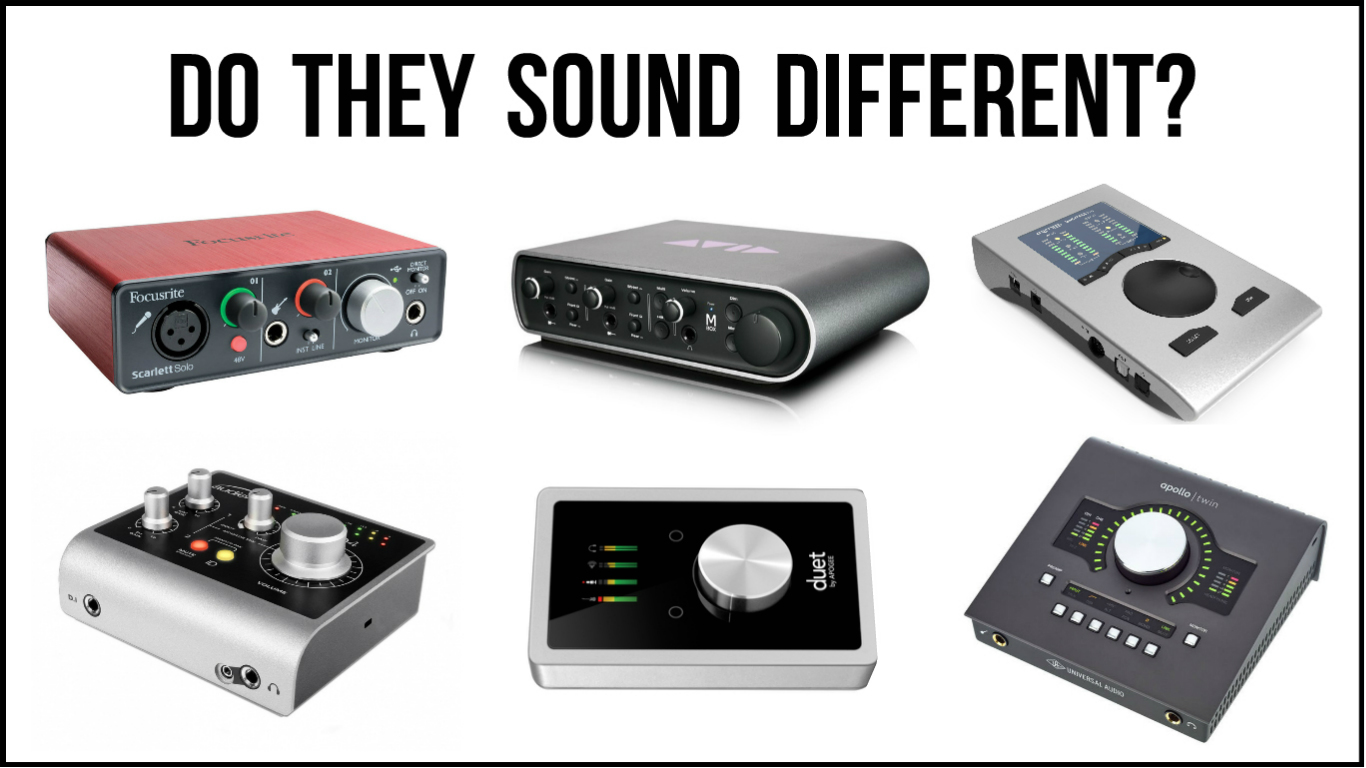
The Short Answer – Yes, they do.

The Long Answer:

Although most audio interfaces offer similar functions, certain variables such as construction quality can make a significant difference in their resulting audio.

Let’s take a look at some of the primary components that make up the sound of an audio interface:

Preamps: Microphone preamps are designed to boost your input signals up to usable levels which can then be forwarded for further processing.

  • Luckily, the built-in preamps on budget interfaces nowadays are actually quite decent, and the fact that they tend to be fairly linear makes them an ideal candidate for applying simulation plugins further down the line.

NOTE: Check out my article on the subject for a guide to using preamp simulation software.

https://urm.academy/making-digital-sound-analog-the-best-of-both-worlds/

  • Certain dynamic microphones such as the Shure SM7B require a lot of gain. So, it’s important to make sure the interface you go for has enough on tap to drive it to usable levels.

Converters: Given the fact that everything you record and listen back to is passing through your converters, it’s important to make sure the ones you’re working with are fairly good:

  • A/D Converters: Recording through an interface with good A/D converters will help capture an accurate representation of the initial analog signal with minimal degradation.
  • D/A Converters: Listening back to your recordings through high-quality D/A conversion allows you to hear every detail of what your music really sounds like with improved transient definition, punch and clarity.
Here’s a short list of great sub $1000 audio interfaces to check out in various price ranges:
  • Focusrite Scarlett 2i2
  • Audient ID14
  • UAD Apollo interfaces
  • Apogee Duet
  • RME Fireface

NOTE: Check out my “Buy Smart” article from a few months back for as a guide to buying audio gear on a budget.

https://urm.academy/buy-smart-a-guide-to-buying-gear/

FAQ #3 – Will A Microphone Preamp Fix My Recordings?
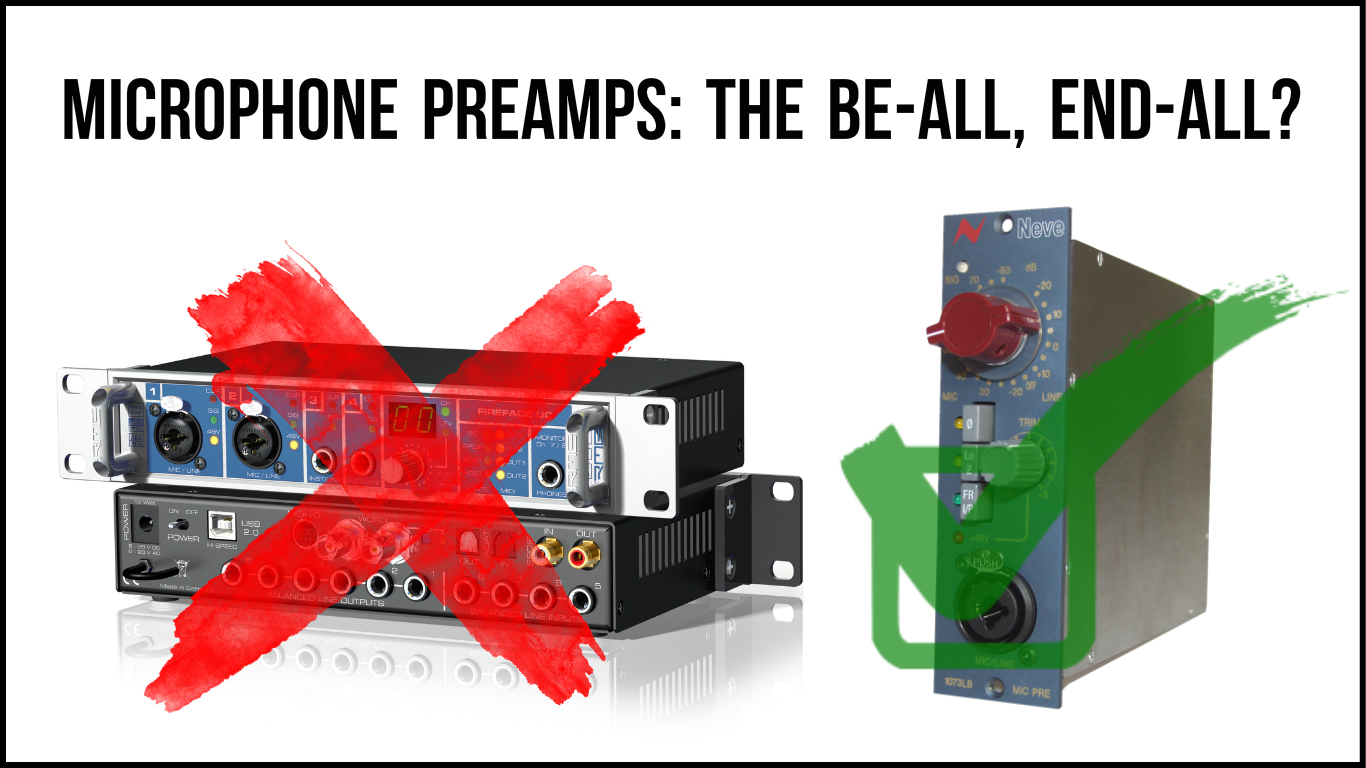
4 FAQ3 - Mic Preamps

The Short Answer – If you’re blaming your lack of expensive gear for the low quality of your recordings, then gear probably isn’t the problem… Back to basics!

The Long Answer:

I’ll probably get a lot of flak for saying this, but… Microphone preamps are one of the most over-hyped pieces of gear in the world of audio.

Don’t get me wrong, preamps are important, and I love analysing and comparing the unique tonal characteristics of vintage analog gear just as much as the next guy…

(Check out my “Making Digital Sound Analog” Blog for a prime example!)

https://urm.academy/making-digital-sound-analog-the-best-of-both-worlds/

But the truth is: The effect that this type of expensive equipment imparts on recordings is often over-exaggerated!

How so?

It’s not uncommon to see audiophiles preaching about the subtle differences between preamps as an answer to a question asked by a newcomer who’s barely got a grasp on even the very basics of sound engineering…

Here’s a comparable scenario:

I’ve come across a similar situation several times in my years of studying audio in Universities where a lecturer might spend hours talking about and demonstrating the minuscule sonic changes between an analog summed mix and a digital summed mix, only to later find out that the students don’t even know how to dial-in a compressor or properly set up a microphone…

WHAT A WASTE OF TIME!

My main point on this subject is: Prioritise!

It’s true, a good dedicated microphone preamp is a definite improvement over the ones built-into your audio interface… But only by a few %. My advice would be to stop worrying about small details that won’t make a huge difference until you’ve nailed every other step of the process first!

If you’re unhappy with the way your recordings are sounding, it’s more likely that moving your microphone a few inches will get you closer to the results you’re after than looking for salvation in expensive gear.

When should I invest in a good preamp?

It’s simple. Once you’ve reached a point where you already own a great microphone, interface, room and monitoring setup… Cool! There’s no reason why you shouldn’t start saving up for a good microphone preamp that’ll give your recordings that extra final push.

FAQ #4 – Do I Need A DI BOX?
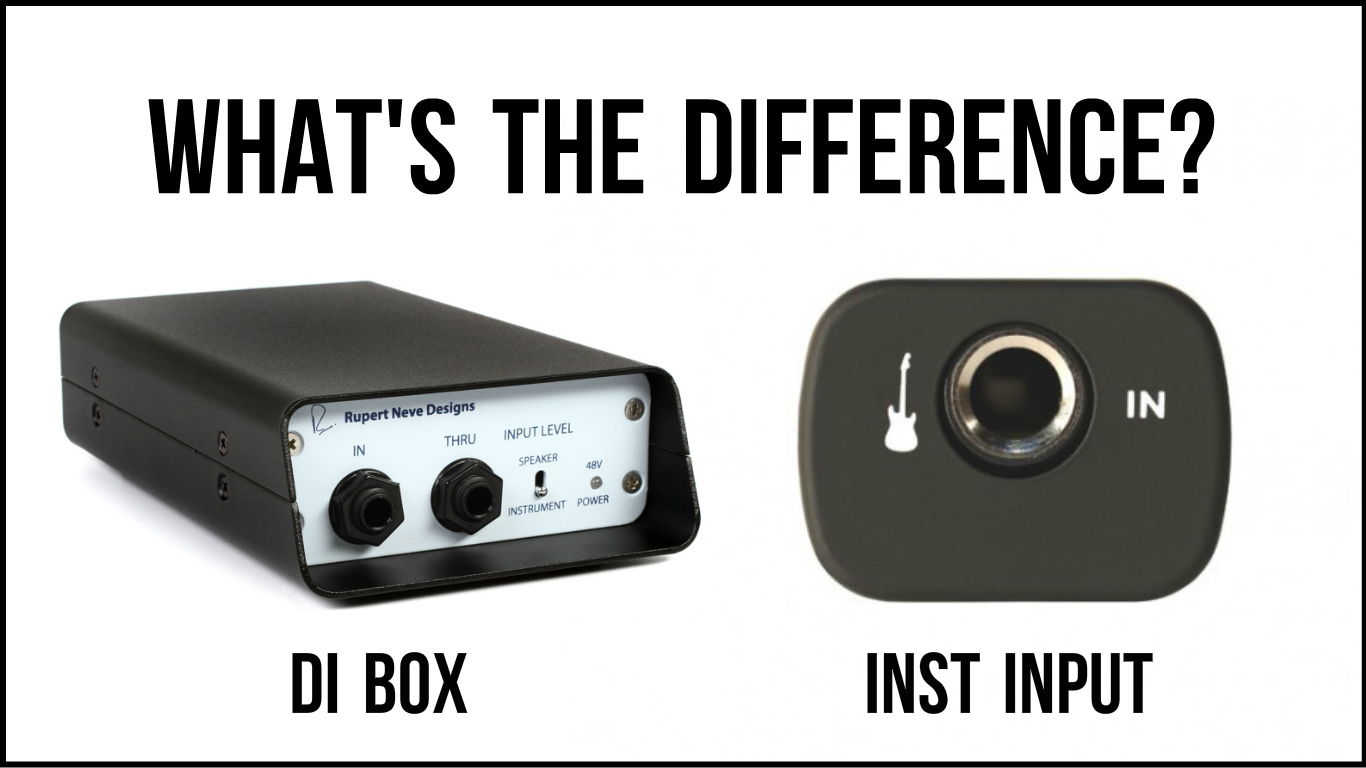
5 FAQ4 - DI Boxes

The Short Answer – You don’t absolutely “need” a DI Box, but getting one will most likely help improve the quality of your raw instrument tracks.

The Long Answer:

Most interfaces these days have built-in instrument (HI-Z) inputs which serve as an easy way of recording the raw DI from your instrument straight into your DAW.

The Problem:

Although the instrument inputs on high-end interfaces tend to be quite good, the same features on low-budget interfaces are often manufactured at extremely low costs. As a result, there is noticeable difference in sound quality between a DI recorded on a $100 interface and a DI recorded on a $1000 interface. This is where DI Boxes come into play.

Here are a few of the benefits to using a DI Box instead of the instrument input built-into a low-end interface:

Impedance Matching: Using an external DI Box offers improved impedance matching between instrument and interface compared to the cheap HI-Z inputs built-into budget audio interfaces (and even some of the high-end ones!)

  • Proper impedance matching will translate to improved high-end clarity and punchier low-end in your DI recordings.

Accurate Transient Response: High-Quality DI boxes usually have more headroom on-tap, which will help towards accurately capturing the transient information of the instrument without clipping/ introducing unpleasant square wave distortion into the signal.

Balanced Signal Path: DI Boxes convert your instrument’s unbalanced output into a balanced signal, which will help keep any external electrical noise at bay.

  • Maintaining a good signal/noise ratio is important in instances where the guitarist isn’t near the recording interface/desk. (This benefit applies mostly to live audio situations)

Pad Switch: Some low-end interfaces simply don’t have enough headroom to deal with the high-output of active pickups. Using a DI box with a pad switch is an easy way to get around this problem and prevent any unnecessary peaking.

DI Boxes – Conclusion:

Despite all of the reasons I’ve given above for investing in a good DI box, there isn’t really a night and day difference in quality between the two methods that’ll cause you to lose sleep at night.

I would however recommend you look into getting one in the long run if you rely heavily on DI Bass guitar and re-amping in your productions.

FAQ #5 – Is It Wrong To Mix On Headphones?

6 FAQ5 - Headphones

The Short Answer – It may not be the most ideal scenario, but it’s definitely not wrong!

The Long Answer:

It’s easy for a guy who’s sitting between a pair of expensive monitors in a professionally-treated “top-dollar” recording studio to post on the forums ranting about how mixing on headphones is “wrong”.

A more helpful piece of real world advice on the “headphones vs. monitors” argument would be to simply do whatever allows for the best results in your current situation!

Let’s take a look at some of the Pros and Cons of working on headphones in order to gain some further insight into the matter:

The Primary Cons Of Mixing On Headphones:
  • Ambience: It’s difficult to judge depth and space accurately on headphones.
  • Hyped Frequency Response: The frequency curve of your headphones will influence your EQ and balancing decisions, usually in a negative way.
  • Ear Fatigue: Listening on headphones tends to tire the ears much quicker than monitors due to the close proximity to the speakers and tendency to crank them.
The Primary Pros Of Mixing On Headphones:
  • Quiet Monitoring: Headphones allow you to work at any time of day without annoying your neighbours or family members.
  • No Room Interference: You don’t have to worry about the influence of your room on what you’re hearing.
  • A Cheaper Alternative For Beginners: A good pair of headphones is much more affordable than a good pair of studio monitors and proper room treatment for somebody on a low budget.
Now that we’ve laid out the good and the bad…
Here’s some quick advice for getting the best results while mixing on headphones:

Buy A Good Pair To Begin With: You really don’t have to spend much in order to get something that’ll do a really good job. Here are some great value options to consider:

  • Audio Technica ATH-M50x
  • AKG K702
  • Beyerdynamic DT Series
  • Sennheiser HD 600

Flatten Them Out: Make sure the headphones you’re listening through are as neutral as possible & use headphone correction software in order to smooth them out even further. This step is important towards making sure your mixes translate well across multiple systems.
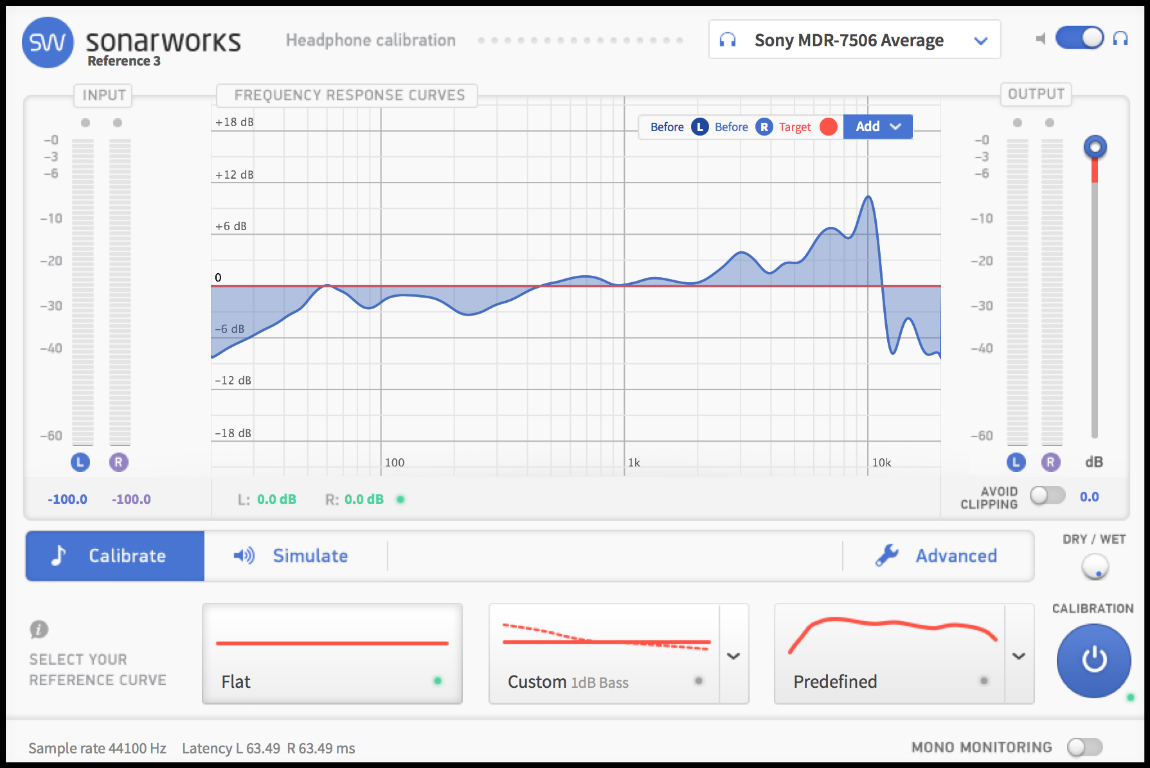
7 Sonarworks Curve

NOTE: Check out my “Common Mixing Mistakes” Blog from a few months back for a guide on headphone correction software.

https://urm.academy/common-mixing-mistakes-volume-1/

Turn Them Down: Listen at moderate volumes and take regular breaks in order to avoid ear fatigue early on and allow for longer mixing hours.

NOTE: Check out last week’s Blog “Learn From The Legends: Chris Lord-Alge” for some legendary advice on the benefits of mixing at low volumes.

https://urm.academy/learn-from-the-legends-volume-1-chris-lord-alge/

And Last, But Not Least…

Work Your Way Up: Being able to mix on good speakers in an ideal space is definitely the goal when it comes to creating mixes that will translate well across multiple playback systems. But don’t let that stop you from starting out small and improving your listening circumstances as you progress!

Audio FAQs – Volume 1 Conclusion:

Getting the basics right often has a far more significant effect on the overall quality of a production than the highly-technical tricks that engineers tend to spend a lot of time messing about with.

If you take away a single from this article then let it be this:

Make sure you’re putting in enough time and effort to nailing the essentials that seem simple before you attempt to move on to the more “interesting” bits!

FINAL WORDS:

This concludes “Audio FAQs – Volume 1: Gear Essentials.” I hope that this article has given you some new ideas to try out during your next project. Be sure to comment below if any of this information has helped you out, or if you have any questions.

Stay tuned for more production/mixing related articles in the not-so-distant future!


Want mix tips from URM Academy? Read them here!

Nail The MixNail The Mix is our online mixing school that gives you REAL multi-tracks from REAL bands, plus a mixing class from the producer who recorded it. Past guests include Periphery, Chelsea Grin, Machine Head and State Champs. Join now for instant access!

7 Questions With Dan Korneff

Dan Korneff is a Producer, Mixer, Engineer that has an extensive discography including some of the biggest names in new rock (Pierce the Veil, Paramore, Papa Roach, Breaking Benjamin, Sleeping With Sirens, My Chemical Romance). He’s been busy producing and mixing at his studio, Sonic Debris Recording Studio, in Long Island, NY.

If you can give one piece of advice for upcoming engineers what would it be?

Keep working hard and take your craft seriously. There aren’t any shortcuts to being a proper engineer. Sound is science. Learn what sound is and figure out creative ways to capture it.

What would you say is the one thing that has motivated you to keep going in your career?

Music is a very personal thing. People listen to music to experience a certain feeling. I’m driven by the fact that I can influence how someone feels by the way my records are recorded and presented.

Amps or sims?

Both. There’s something you can get from an amp that you just cant get from software, and there’s something you can get from software that you just cant get from an amp.

What record still mystifies you and why?

I keep going back to the Nickelback song “Something in your mouth”. Best rock mix I’ve ever heard. How does Randy Staub do that??

What are your top five go to pieces of gear and/or plug-ins?

1176 blue stripe
Soundtoys Devil loc
Engl powerball 2
sansamp bass driver
SSL G series console

What is the most important lesson you’ve learned in your career?

It’s a small business. Play nice.

If you could change anything about the world what would it be?

I sacrificed everything in my life to get where I’m at. One thing I would change is spending more time with my family. If this is a deeper question about the entire world, I’d have to go with ending world hunger. Its fucked up to think that if I get full at taco bell (is that food?) I just throw the rest out… but there are kids that regularly go for days/weeks without a bite to eat.


For more awesome tips on becoming a better producer, head on over to the URM Academy blog and subscribe to our podcast.

If you enjoyed 7 Questions With Dan Korneff, and want to learn more from Dan:

Listen to episode 8 of the URM Podcast with Dan Korneff HERE
Listen to Dan’s tips and tricks episode of the URM Podcast HERE

Nail The MixNail The Mix is our online mixing school that gives you REAL multi-tracks from REAL bands, plus a mixing class from the producer who recorded it. Past guests include Periphery, Chelsea Grin, Machine Head and State Champs. Join now for instant access!

Learn From The Legends – Volume 1: Chris Lord-Alge

Introduction To The Series:

Learning How To Learn is one of the most crucial steps you can take towards becoming great at pretty much anything – And what better place to learn than from the minds of people who have actually been doing the job successfully for years?

In this ongoing series of Blogs, we’ll explore the valuable words of wisdom bestowed upon us by some of the most sought after names in the recording studio business, and discover how you can apply this advice to your own situation.

This week, we’re delving into the mind of probably the most recognisable name in the world of audio: Chris Lord-Alge.

NOTE: If you’re hoping to find some “secret mix settings” or “magic formulas” in this article then you might as well leave now… I can guarantee you that the real secrets behind each of these engineers’ success are their ears and personal tastes.

Remember:

Following the practical “workflow and decision-making” advice these guys have to offer from years of experience in the business is far more valuable than trying to copy the settings they’ve used for specific songs!

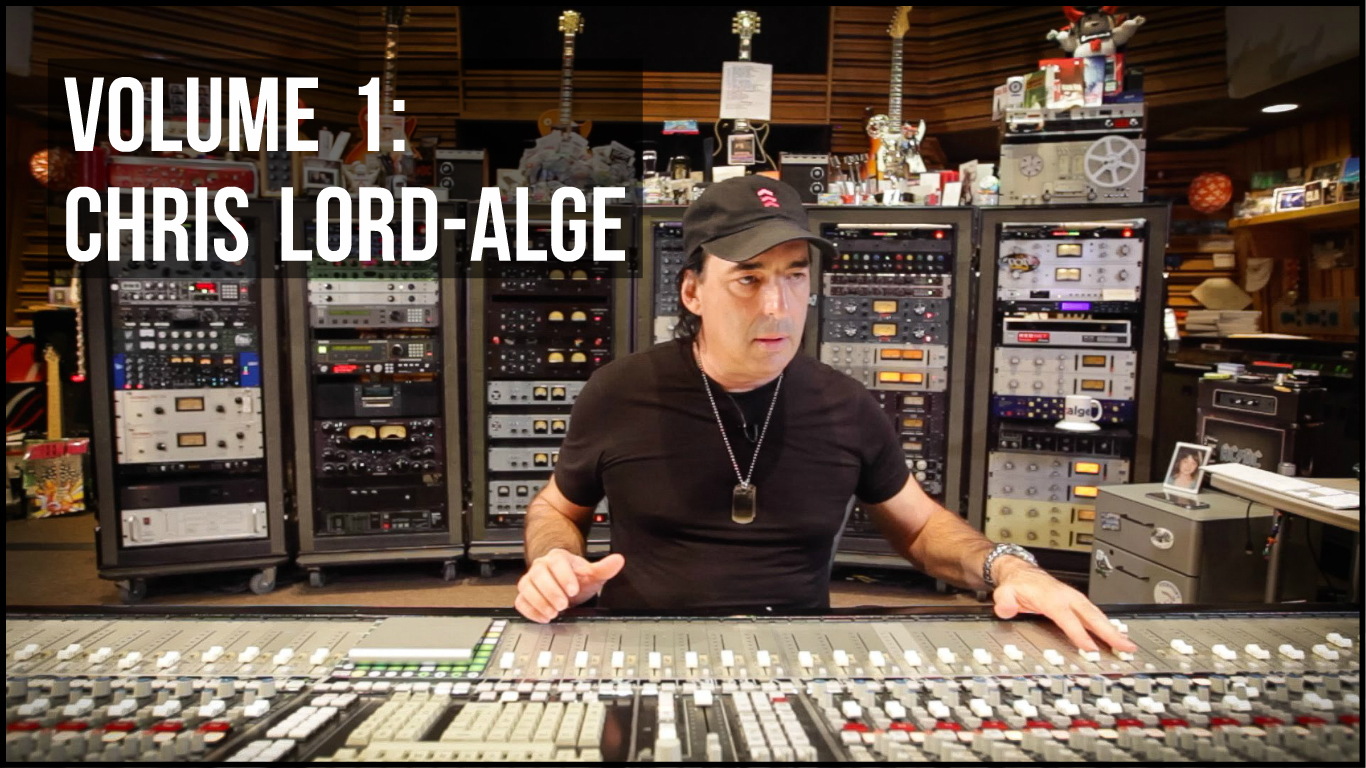
VOLUME 1: CHRIS LORD-ALGE

1 Chris Lord Alge

Who Is CLA?

Chris Lord-Alge is a multiple Grammy Award-winning mixer and producer. He is responsible for some of the biggest and best-selling albums in music history.

Some of the artists he’s worked with include:

Green Day

My Chemical Romance

Nickelback

Muse

Keith Urban

Shinedown

AND LITERALLY HUNDREDS MORE…

Long story short: If you’ve turned on the radio at any point in the last few decades, then there’s a good chance you’ve heard one of his mixes…

CLA is well known for the high-speed at which he likes to work and his love-it or hate-it “win-win” attitude. Given the enormous number of achievements under his belt, there are few better people to heed the advice of when it comes to “making it” in the world of Audio.

Now that you know exactly who you’re dealing with, let’s cut straight to the chase:

Here Are 5 Pieces of Audio Advice From Chris Lord-Alge:
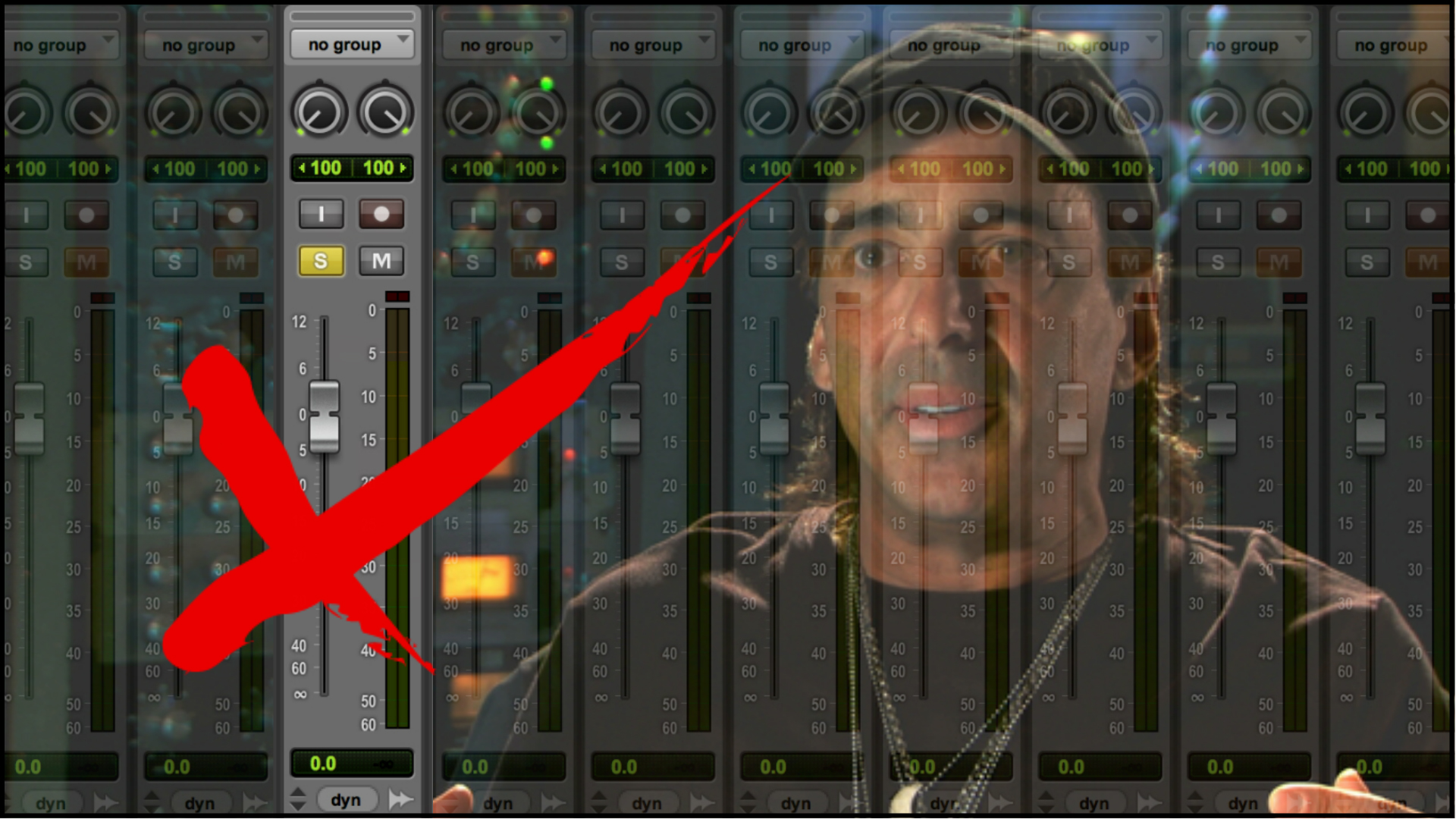
1 – Stop Mixing In Solo!

2 Stop Mixing In SoloNobody will ever hear anything in solo. PERIOD. So the only way to get a great vocal sound is when it’s competing with everything else in the mix.”CLA

Here’s why you should stop relying on the solo buttons in your DAW:

  • A common mistake new engineers tend to make is spending way too long working on individual instruments out of context from the full mix.
  • Sure, it’s easier to focus in on specific problem areas when listening in solo… But how can you expect to build a mix that serves as a tight and cohesive unit if you don’t know how each of the pieces are meant to fit together?
  • It’s important to remember that everything in mixing is RELATIVE. What may sound like a bright and clear vocal in isolation will probably sound lifeless and muffled the moment you add in other bright elements like distorted guitars and cymbals…

NOTE: This doesn’t mean that you should disregard the solo button entirely, as listening in isolation for short periods of time to fix problems is perfectly OK. CLA’s main point is that you should refrain from making drastic tonal decisions independently from the big picture.

2 – It’s Not About The Gear…

3 It's Not About The GearMost mixers spend way too much time messing around with equipment… It’s not about the plugin; it’s about the power of the song! Everyone knows how the equipment works. You can’t afford to get lost in creating a cool sound that will never matter.CLA

Excuses, excuses…

  • CLA may be known for his use of an expensive SSL desk and hoards of vintage analog gear… But it’s not the tools he uses that makes for his instantly recognisable sound.
  • We love to drool over the gear our mixing idols have and use them as excuses for why our own mixes don’t sound as good. The truth is, guys like Chris can produce an incredible mix with whichever tools you put in front of them! As the classic saying goes: “It’s the ear, not the gear”.
  • The average music listener doesn’t really care about the gear you used. They’ll most likely take a good song with a poor mix over a terrible song with a good mix any day of the week.
  • It’s time to stop obsessing over which of your dozen 1176 plugins is “the most accurate to the original” and just get on with making some actual music!
3 – Commit To Your Sounds!

4 Commit To Your SoundsAnybody can plug a mic in, turn up some level and record it to a track without screwing anything up… A pro goes: ‘Hey, I’ve got a cool mic and some cool EQ, I’m gonna build something into the sound and create something with a vibe.’ – Try and make the rough mix the final!” – CLA

Never second guess yourself. Go with your gut instinct. Make it so you like it, because if you like it, they’ll like it! Don’t compromise. Obviously, you need to make the client happy, but you have to make yourself happy first.” – CLA

Learn to trust yourself and move on:

  • Leaving multiple open-ended decisions for “future you” to deal with is a surefire way of slowing down your workflow and preventing you from getting things done.
  • Answer this question honestly: If you were unable to pull off “the perfect guitar tone” on the day of recording, then do you really think you’ll manage to pull it off only a day later in re-amping?
  • A far better approach is to do the best job you can in the moment, commit to the sound, move on, and try to improve your source sounds with each new project you work on.
  • There’s no substitute for making mistakes and learning from said mistakes. If you go for years without ever finishing anything because you’re afraid of screwing up, then you’ll cheat yourself out of formative years which could be spent crafting a portfolio to build upon!
4 – Turn It Down

5 Turn It DownI listen really quietly. When you’ve been doing this job for a while, you tend to listen at such a low volume that in order for it to hit you in the face, you have to really push it. Listening at low volumes prevents fatigue and you can hear better what’s going on. When you turn things up, after a while all your moves become a smear. So when you’re doing really critical moves, do them at a low level.” – CLA

Here’s why you should heed CLA’s advice and turn it down a notch or two:

  • Everything sounds good when it’s being blasted at full-whack… The real trick to building a mix that translates well and maintains the same level of impact across multiple systems is to make sure it’s hitting hard at lower volumes.
  • Alongside these sonic benefits, listening quietly will also allow for longer mixing hours each day and help preserve your ears in the long run. This is absolutely essential if you’re after a long-lasting & HEALTHY career in audio.
5 – CONCLUSION: You Have To Be Competitive

6 Conclusion - Be CompetitiveEither you dedicate your life to doing what we do, or you don’t do it! You could do it comfortably… But if you do it in a way that’s nice and “kush” and easy, then don’t complain!” – CLA

#NOSMALLTIME:

  • You don’t reach the level of success and employability guys like CLA have achieved by being SMALLTIME. (As Joel Wanasek would put it)
  • It takes a huge amount of dedication, research, experimentation, personal sacrifice and an equal amount of failure to make it in this business. You can’t expect opportunities to just fall straight into your arms if you’re not willing to put in the hours necessary to overtake the competition…
  • As can be seen in the case of CLA, if you truly want something bad enough then you’ll do whatever it takes to get it… No matter how many years of late nights and trudging through learning curves it takes!
Check out these resources for further insight into CLA’s techniques:


Sound on Sound – Secrets of the Mix Engineers: Chris Lord-Alge

Final Words:

This concludes “Learn From The Legends – Volume 1: Chris Lord-Alge.” I hope that this article has given you some new ideas to try out during your next project. Be sure to comment below if any of this information has helped you out, or if you have any questions.

Stay tuned for more production/mixing related articles in the not-so-distant future!


Want mix tips from URM Academy? Read them here!

Nail The MixNail The Mix is our online mixing school that gives you REAL multi-tracks from REAL bands, plus a mixing class from the producer who recorded it. Past guests include Periphery, Chelsea Grin, Machine Head and State Champs. Join now for instant access!