urmadmin, Author at Unstoppable Recording Machine - Page 31 of 45

You Should Be Doing Live Sound – Part 1

| By Dave Whalen | 

1 Live Sound

Over the last few months I’ve found myself doing live sound a lot more, and I have to tell you a secret: not only do I find it more enjoyable at this point, but I think it’s making me a better mixer – a lot better.  Don’t tell anyone.

There are many reasons mixing live sound is making me better. The reason you’d probably guess is that I’m simply getting in more hours behind the board, and I’m naturally getting better by putting in the hours.

Of course, that’s true, but there’s more to it than that, and if I may, I would like to run through the myriad of reasons I will continue to mix live, and why I think you should too.

I’m going to break it down into two parts: technical benefits and interpersonal benefits. In this entry, I’ll be focusing on the technical benefits, and next time I’ll dive into how it can benefit our relationships.

You will learn to be efficient:

I do live sound mostly at my church so the basic setup is the same from week to week. Practically this means that I don’t have to re-mic the drum kit every time I show up and the basic instrumentation is the same. There are however different musicians every week who have different playing styles and different basses, guitar rigs, etc. 

This diversity of instruments, coupled with the limited time you will have to make them sound good together, means you have to get really good at identifying and solving problems quickly. After all, in the best cases you may only get a half-hour rehearsal/sound check, or worse, a 5-minute line check before the show.

The need to dial in sound and fix issues quickly is paramount because the band’s performance can be greatly affected by how the room sounds and their monitor mix. For instance, I have this vocalist whose voice naturally resonates at about 730Hz, and the room we’re in resonates at that frequency as well. This results in a horrible sounding lead vocal. The ability to identify and cut that frequency (by about 20db) resulted in him being able to hear himself more clearly in his monitors and sing more confidently without thinking he’s pushing too hard.

Also, the audience may start throwing things at you if the sound sucks.

2 CL5

You’ll learn to be more comfortable using the tools at your disposal:

I have it, you have it, the band has it. At some point, we’ve all had it – Gear Acquisition Syndrome, or G.A.S.  

As a mix engineer, it’s especially easy to get caught up in buying shiny new tools that do awesome things. As a live sound engineer though, you are likely stuck with whatever tools the venue has available for you to use.

Sometimes that’s going to be an analog board with two fixed-band EQ’s, two mid-band EQ’s and maybe an outboard reverb and a couple of compressors. Sometimes it may be a huge Avid Venue console with a crapload of DSP and a full suite of your favorite plugins. Most likely, however, it’s going to be a basic digital console with a parametric EQ, compressor, gate and limiter for each channel and a few other goodies. If you’re lucky and have the right computer setup and i/o from the console, you may even be able to run your own plugins on some channels.

3 Marshall

You’ll learn all about getting it right at the source:

Overhead mics that are out of phase with the snare drum sound thin and crappy. An improperly placed kick drum mic may require more EQ cut than you have available on your channel strip. An improperly tuned snare drum will ring out at 400-600 Hz and you won’t ever be able to EQ it out without killing the body of your drum.

Guitar tones that aren’t properly dialed in may not be salvageable by the tools you have at the FOH position. It’s possible that moving the microphone back or forward an inch can save it. It’s worth experimenting.

The bass… never mind about the bass, just plug him into a DI.

You will learn about mixing in sub-optimal environments:

Let’s face it, not all venues are the same. Just like various studios around the world, every one has its quirks that we have to deal with. The venue where I usually mix has a terrible slap delay coming from the back wall, and the mix position is on the top level inside of a hole where the bass gathers. As a result I have to mix the bass about 6db louder than I normally would, simply because I know it’s not as powerful at the audience level as it is at the mix position.

It’s actually the same kind of “translation” issue I face with my studio mixes in that what I have to do is learn the room from the mix position and also from the audience position, and make sure it translates well across the whole room.

You’ll learn about finishing:

A lot of us mixer-type folks have a problem with knowing when something is “complete” and letting it go. Live mixing will definitely help you get over that issue. With a live show, you have your start time and you have your end time, and at that point it’s over. There are no revisions, and the grade is pass/fail. You’ll know which grade you made by the reaction of the band after the show… Unless you managed to trick all of them.

4 Ear_Trumpet

You’ll learn about cutting 4k:

Perhaps the most important benefit of mixing a live show is the issue of 4k. You see, after such prolonged exposure to such high decibels, your ears are going to consistently ring. With any luck they will ring at 4k, and you will intuitively cut 4k out of everything… Lest it drive you completely insane.

Seriously though, there are companies that make acoustically transparent ear plugs. Get a pair, because ringing in the ears truly is terrible.


There are probably a million ways doing live sound will help you up your studio game on the technical side. But technical ability isn’t the only thing that matters to your professional audio career. In fact, I would say it comes in behind interpersonal skills and relationships. Tune in for my next piece, where we will explore how running live sound can benefit our relationships as well.


Dave Whalen is a producer and mix engineer currently based in western Ohio.

You can find some of his work and other production/mixing tips on his website – The Mix Shed.

Nail The MixNail The Mix is our online mixing school that gives you REAL multi-tracks from REAL bands, plus a mixing class from the producer who recorded it. Past guests include Periphery, Chelsea Grin, Machine Head and State Champs. Join now for instant access!

Andrew Wade mixes A Day To Remember lead vocals

Here’s something many of you won’t want to hear: vocals are EVERYTHING.

Like many of you, I started out as a guitarist and just wanted to record my own songs at home. So I get it– tweaking guitar tones until the sun comes up is fun. I could spend all day trying out new IRs and notching out a few dB to find that perfect balance of clarity and grit.

But the fact of that matter is that 99% of people really don’t notice or care about guitar tone, or anything else other than the vocals.

This is largely due to biology- our brains are programmed to fixate on other humans’ voices. Think about it: have you ever once heard someone who wasn’t a guitarist or producer comment on any tone in a mix? (OK, aside from the St Anger snare) Probably not- but what they DO comment on are the lyrics, the melody and the singer’s voice.

This isn’t to say that you shouldn’t care about other parts of the mix, because you most certainly should. Everything matters, and people will subconsciously notice all the elements in your mix. My point is simply that people CONSCIOUSLY pay attention to vocals and therefore you’ve got to focus an inordinate amount of your attention on them.

Andrew Wade mixing A DAY TO REMEMBER lead vocals

True fact: Vocals matter more than ANYTHING ELSE! Watch how Andrew Wade approaches vocal arrangement and mixing using the raw multi-tracks for “Right Back At It Again” by A Day To Remember.

If you need to level up your vocal game, I’d highly suggest you pay attention to Andrew Wade (The Ghost Inside, The Word Alive, Neck Deep), who’s one of the best in the business when it comes to vocal production, from arrangement to tracking to mixing. Check out this clip from his Nail The Mix Session where he mixes the lead vocals on “Right Back At It Again” by A Day To Remember and take careful notes.

A few things to consider:

  • The raws are reallllllly good in terms of source tones, editing and performance. You won’t always have control over this part, but when you do, always push yourself and the vocalist to get it right at the source (check out this excellent article for some tips).
  • There are a LOT of subtle layers in the arrangement that you probably won’t consciously hear if you’re just listening in the car or whatever, but they add a ton of depth and dynamics to the song (like the “ah ahh” harmonies). Challenge yourself to polish your arrangements to this level and I think you’ll be very happy with the results.
  • There’s really nothing crazy going on here in terms of processing. Most of the magic here comes from the arrangement and performances. Get those right and you’re most of the way there.

Are you focusing your time and energy on what 99% of listeners care about the most?? Are you pushing your vocal production as far as you can? If not, there’s no better time to start than right now 🙂


Nail The Mix

Nail The Mix is our online mixing school that gives you REAL multi-tracks from REAL bands, plus a mixing class from the producer who recorded it. Past guests include Periphery, Gojira, Chelsea Grin, A Day To Remember, Machine Head and State Champs. Join now for instant access!

Recording Vocals? Always Do These 5 Things

Recording Vocals? Always Do These 5 Things

1 Vocals Are King

Introduction:

Regardless of how you feel about them personally, Vocals tend to be the main selling point of a song for most people. If they aren’t believable, it won’t matter how awesome the rest of the instruments sound, as you probably won’t hold the listener’s attention long enough for it to even matter…

Knowing how to effectively produce and work with a singer is just as (if not more) important as knowing how to record them properly. In this Blog we’ll take a look at some practical tips & tricks that can help you get better results out of your next vocal production session:

NOTE: This time around, we’re focusing primarily on the Production aspect of recording Vocals. Check out my “Mixing Secrets – Vocals” Article from a few weeks back for some great tips on Mixing Vocals.

https://urm.academy/mixing-secrets-volume-1-vocals/

1 – Help the Singer Feel At Home

2 Help The Singer Feel At Home

When it comes to recording a vocalist, doing things your way may not always the best way

Don’t Sacrifice Feel And Emotion For Technical Perfection

In a detail-oriented business like audio engineering it’s easy to get worked-up about finite details that don’t actually matter as much as we’d like to think they do. Of course it’s important to make sure you’re getting the optimal sound quality at the source, but if your first interaction with the person you’re recording resembles the following sentence then you might end up doing more harm than good:

Random Engineer – “Try and stand EXACTLY 8 inches from the microphone at a PERFECT 90 degree angle and stay ABSOLUTELY parallel to the center of the capsule AT ALL TIMES.”

What’s Wrong With This Scenario?

Sure, the position described above might technically be the the most ideal situation in which to record a voice. But ask yourself this:

What’s the point in every technical aspect of the vocal recording process being perfect, if all of your “rules” are preventing the singer from giving a solid, genuine, heartfelt performance!

Making sure the person you’re working with is able to give their very best in a comfortable work environment will have a far greater impact on the final recording than achieving the “perfect sound”. Using words such as exact, perfect or absolute at the very beginning of the process are prone to creating a stressful vibe from the get-go.

Not ideal when trying to create art!

Watch how Devin Townsend physically connects with his lyrics and basically performs while recording the vocals for his latest album “Transcendence”:

https://www.youtube.com/watch?v=NQTlvovdaEs

Magic Combinations:

Each person you work with will have specific personal preferences and a level of experience which varies greatly from the next. You can’t come up with a single set of rules and expect them to work perfectly for every possible scenario…

Your job as a producer is to find a good combination of variables that encourages greatness AND ticks the necessary quality boxes at the same time on a per-singer basis!

Here are a few things to consider each time you begin working with a Vocalist:
  • Singer Positioning + Monitoring: Sticking the singer in a separate room and giving them a pair of headphones isn’t the only way to get the job done. Some hugely successful bands like U2 and Queen have made incredible albums where the vocals were simply cut in the control room with the music playing through the monitors.
  • Microphone Choice: Some singers like holding a microphone in their hands, and will feel uncomfortable in a typical studio setup. Knowing when to sacrifice the sonic benefits of a condenser microphone for a better performance through a dynamic microphone can make an instant improvement in some cases.

Check out this video of Lamb of God’s Randy Blythe recording vocals for “Sacrament” as a great example of a vocalist who’s at his best with a Dynamic Microphone in his hand (Skip to 52:30):

https://www.youtube.com/watch?v=sfmESHqqn14

  • Workflow: What’s the point in getting an excellent singer who likes to really get into the song and perform to record in tiny sections? – Try out various different approaches and figure out what works the best on a situational basis. Don’t just blindly stick to a certain method because it appeases your engineering OCD!

Doing whatever it takes to get the results they’re after is one of the key traits you’ll find in a good producer. It’s always important to remember that although there are definitely better and worse ways of doing things, there are no real definitive rules when it comes to making art.


2 – Try Out Some Whisper Tracks!

3 Whisper Tracks

An awesome vocal trick that has been used in major studios for decades is the use of whisper tracks to compliment various aspects of a vocal recording.

What’s A Whisper Track?

The concept is fairly simple: Get the singer to record whispered versions of the lyrics over the initial performance as tightly as possible. These tracks can then be processed separately and blended in for effect whenever desired.

Riders On The Storm” by The Doors is an iconic example of whisper tracks being used in a production to great effect:

https://www.youtube.com/watch?v=Wbx6gULYNbc

Why Use Whispers?

Here are a few situations where you might want to consider trying out this trick:

  • To Convey Emotion/Intimacy: Whispering is a tone of voice which is heavily associated with dark thoughts, tension and secrecy. Adding whisper tracks to a song which deals with similar subject matter can really help the context in which the Lyrics are being delivered come across more accurately.
  • To Add High-End “Air” to The Vocals: Given the fact that they mainly consist of breathiness with very little content below 1kHz, blending in whisper tracks can be a unique way of adding some High-End frequency content to a dull sounding vocal.
  • To Emphasise Pronunciation/Diction: Whispering a line tends to be much easier than singing it. This makes whisper tracks a suitable candidate for focusing on good pronunciation and diction rather than pitch, in return giving you another way of blending in some clear transient information under your main vocal.

A lot of Kevin Churko’s “In This Moment” productions include heavy usage of whisper tracks in order to help convey the emotions behind Maria Brink’s dark lyrics. “Sick Like Me” is a Prime Example:

https://www.youtube.com/watch?v=03X0B6u-AxM


3 – Make Them Work Together! (The lyrics & Music)

4 Work Together

A common mistake inexperienced musicians and producers tend to make when learning to write songs is working on the lyrics and music as separate entities.

This approach isn’t wrong by any means, it just means that your final track might miss out on some of its’ creative potential as a result. One of the secrets behind writing a truly great piece of music is getting the lyrics and instrumental to work together as a tight and cohesive unit that realises the full impact of what’s trying to be said.

God Save The Queen!

Take Queen’s “Bohemian Rhapsody” As An Example: This track is commonly cited as the Holy Grail of brilliant Lyricism and ranked among the greatest songs ever written.

Although the song has a rather unconventional structure, the instrumentation really helps convey the emotion of the vocals/lyrics through the tasteful mimicking of dynamics and vibe in which they were sung for each section.

Let’s take a quick look at some of the moments of “Tasteful Interplay” between the Vocals and Instruments in Bohemian Rhapsody:
  • Singer Freddie sings “Any way the wind blows” and a whooshing, phase-y synth sound pans between the speakers.
  • Directly after the Lyrics “Sends shivers down my spine…” Guitarist Brian May strums a twinkling “shiver” sound across the strings on the guitar headstock.
  • The doomy, heavy guitar riff comes in with a huge sense of impact when Freddie Mercury sings the desperate lines “Gotta leave you all behind and face the truth”.
  • The entire backing track dies down to a very soft and dynamic performance in order to usher in and fit perfectly with Freddie’s solemn closing lines “Nothing really matters, anyone can see. Nothing really matters, nothing really matters to me.

Queen Guitarist Brian May talks about the writing and production process behind Bohemian Rhapsody (skip to 7:30 for the vocals):

https://www.youtube.com/watch?v=v15oIktGJOo

NOTE: These are just a handful of examples from within single track, but you get the point… I’m sure you’ll find similar techniques being used in many of your favourite tracks if you take a closer look!

My overall point on this topic is that it’s important to keep an eye out for moments where you can inject “little droplets of brilliance” into the song by tying the vocals and instruments together in creative ways.

These small details may seem insignificant in context of the big picture, but will eventually add up to a better final product.


4 – Study The Greats: Good Vocal Layering Goes A Long Way!

5 Good Vocal Layering

As much as recording techniques have changed since the 70s and 80s, the main reasons why we form strong connections with songs as listeners haven’t.

Here are a few Vocal Production lessons that can be taken from a varied selection of successful classic productions:
A – Fleetwood Mac – “Dreams”: One Microphone, Multiple Harmonies

6 Fleetwood Mac

  • The fact that Guitarist Lindsey Buckingham and Singer Stevie Nicks were struggling in their personal relationship during the making of the “Rumours” album made for some real, heartfelt performances when they were tracking backing vocals together simultaneously on a single microphone.

Fleetwood Mac Producer Ken Caillat talks about recording the backing harmonies on “Dreams” (8:32 Onwards):

https://www.youtube.com/watch?v=71QDQm3pk6s

  • Although the lack of bleed and added control you get from tracking backing vocals separately is great, allowing the singers to vibe-off of each other and interact in real time around a single Omni-Directional microphone can often lead to better results.
  • If you want more control over each voice then you can always use multiple microphones and place the singers in strategic positions to achieve similar results:

Grammy Award-Winning Engineer Mike Harris Talks About Recording Multiple Harmonies Simultaneously:

https://www.youtube.com/watch?v=jm04guegDHc

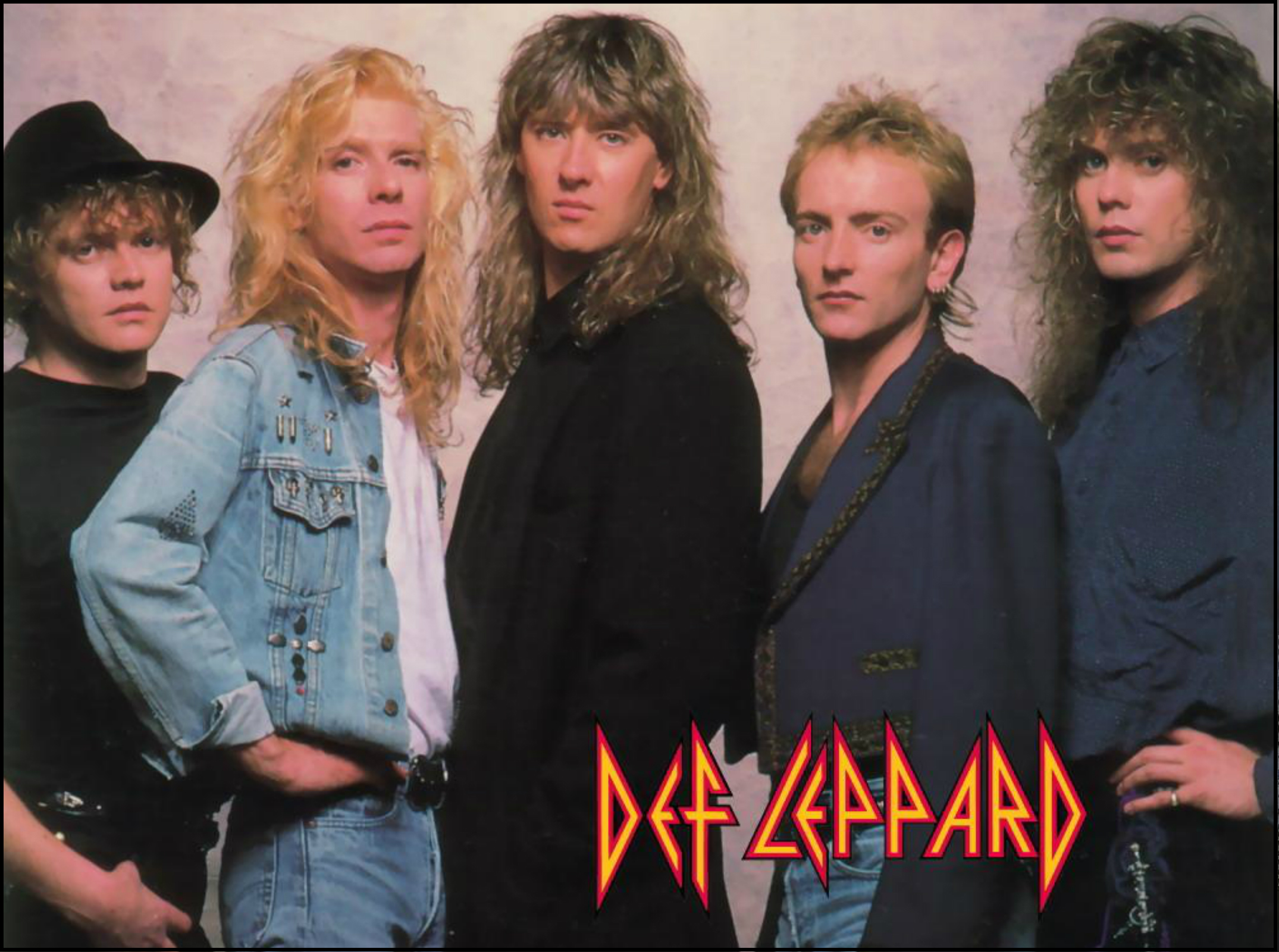
B – Def Leppard + Mutt Lange: A Producer With A Vision of Greatness

7 Def Leppard

  • Superstar Producer Robert “Mutt” Lange produced a series of albums with Def Leppard in the 80s which are now viewed as monumental breakthrough moments in recording and music production history.
  • A huge part of the sound of these albums comes down to Mutt’s experimental approach to making music and meticulous attention to detail when putting together vocal arrangements and harmonies for each song.
  • A lot of successful modern-day metal producers such as Joey Sturgis and Kevin Churko often cite these albums as having a big influence on their own mixing and production styles. (Which, in my opinion comes definitely comes across in their extensive usage of Vocal layering)
  • Regardless of whether you agree with Mutt Lange’s production style or not, the fact that these albums have stood the test of time and still have an impact on engineers everywhere says a lot about the importance of having a vision.
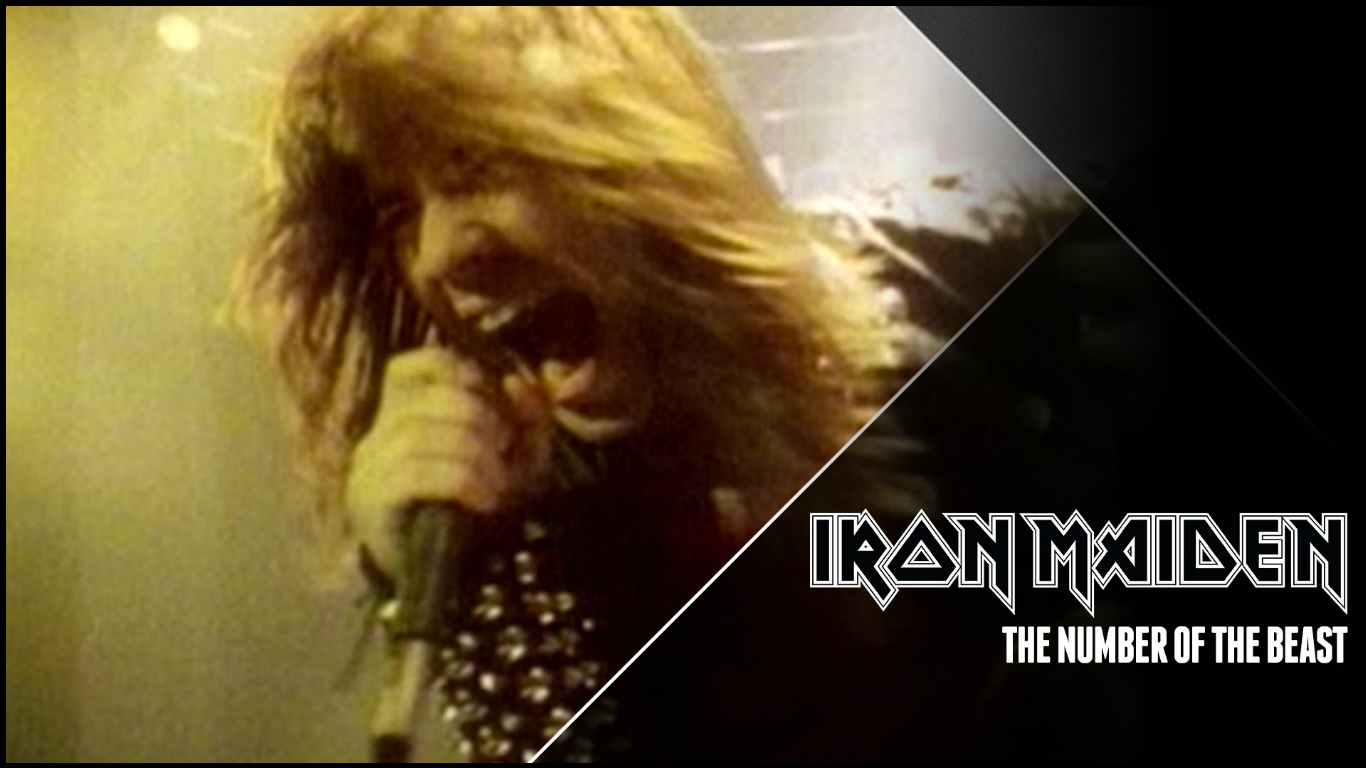
C – Iron Maiden – Number Of The Beast: Why Distract From An Already Great Performance?

8 Iron Maiden

  • At the complete opposite end of the 80s production spectrum, we have an Iron Maiden track which relies on the simple fact that Bruce Dickinson is a truly phenomenal vocalist that puts a lot of theatricality into his singing.
  • The iconic scream at the start of the track was the emotional result of Bruce’s built-up frustration at Producer Martin Birch getting him to re-do it so many times while trying to get the perfect take.

Check out this isolated vocal stem of “Number Of The Beast”. Notice how Bruce Dickinson’s Delivery is extremely passionate and on point:

https://www.youtube.com/watch?v=aNIyKNBgbIQ


5 – Conclusion: Don’t Over Do It!

9 Don't Over Do It

It’s important to make sure that every decision you make while producing a song exists for a good reason. Just because YOU CAN do something doesn’t necessarily mean YOU ALWAYS SHOULD…

This concept is extremely applicable when it comes to the vocal production process as it’s all too easy to get carried away with the amount of “studio trickery” you’re using to try and enhance each and every section.

Closing Words – Quality Over Quantity

As I’ve talked about previously in this article, well thought-out, High-Quality vocal layering can really help give a production some extra lift and “oomph” when needed.

However, on the other side of the coin, over-doing it when your core vocal performance isn’t really that strong to begin with can actually amplify the sense of mediocrity and come across as a fairly obvious “band-aid” to the listener.

No matter what situation you find yourself in, do whatever you need to do to get the job done. But always remember this:

A Great Performance Will Beat Technical Perfection

Any Day Of The Week!

FINAL WORDS:

This concludes “Recording Vocals? Always Do These 5 Things.” I hope that this article has given you some new ideas to try out during your next project. Be sure to comment below if any of this information has helped you out, or if you have any questions.

Stay tuned for more production/mixing related articles in the not-so-distant future!


Want mix tips from URM Academy? Read them here!

Nail The MixNail The Mix is our online mixing school that gives you REAL multi-tracks from REAL bands, plus a mixing class from the producer who recorded it. Past guests include Periphery, Chelsea Grin, Machine Head and State Champs. Join now for instant access!

How Josh Newell Helped Linkin Park Conquer An 18 Month Long Studio Session

In conjunction with his appearance on The 2 Year Anniversary Episode of the URM Podcast, producer/engineer Josh Newell (Cynic, Black Veil Brides, Avril Lavigne) answered some listener submitted questions about his work with Linkin Park.

Here’s what he had to say:

What was the coffee budget like?‬ – Phil Pluskota

Fortunately, I was not tasked with keeping track of the food or drink budget on the project, which is good because we drank a lot of coffee over the course of that album. Normally the studio coffee supply is handled by the studio. However, the band specifically requested Blue Bottle Coffee so they had the studios ordering that. Not bad. Out of the flavors we tried, Three Africas was my favorite.

How many times did you sit in your car screaming “WHAAAAT I’VE DOOOOOONE”‬ – Connor Gilkinson

Being that I’m originally from Tennessee, I drive a truck. Show some respect for my wheels, Connor.

Did it even matter in the end? :”)‬ – Franklin Wolf

Nothing really matters. Anyone can see. Nothing really matters… to meeee…. If given the choice between the two, I honestly prefer “Bohemian Rhapsody” to “In the End.”
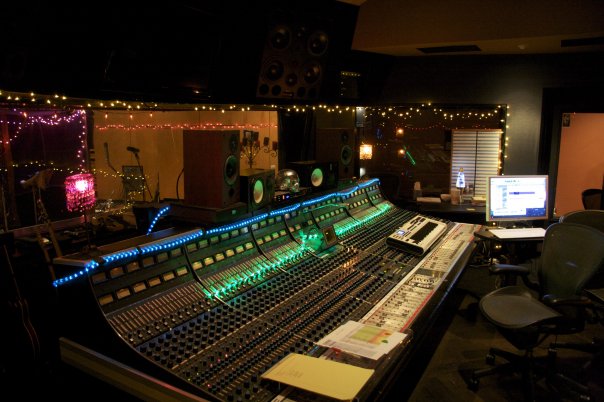
A Thousand Suns and Hunting Party Gear Porn 5

How come it took so long?‬ – Franklin Wolf

I’ll be as concise as possible here:

We entered the studio with a skeletal idea of what the band wanted to do and a few songs/demos. The band decided they wanted to work with various collaborators on this album. Schedules had to get worked out, and initially there was a lot of songwriting going on.

Next, they started fleshing out the productions a bit and making decisions as to which direction to take each song. There were a LOT of songs written. After working on them all for a while, they’d narrow down to what they thought were the best songs (going from about 80 songs to 40 songs then to 20 songs, with around 10 finally making the album).

Now you’re basically working on 40 songs, and they’re bringing in sonic collaborators to get some new ideas and sounds. Some parts work and others don’t. Those new parts inspire changes in the productions. And nothing about the sounds or production were off limits. Want to see what the track might sound like in a different key and tempo? It got tried. There are also six people in the band giving their input so there’s nor shortage of ideas.

Vocals get cut, demo parts get replaced with keeper parts, structures change, and so on. Sometimes a song everyone liked would end up going off in a direction that people didn’t like so we’d walk it back to see what changes didn’t work. As that happened, the list of songs starts getting shorter and shorter as the stronger material becomes obvious, and then the band picked the top 15 or so for the album and finished those. It was a very meticulous process, to say the least. The album definitely wasn’t just thrown together.
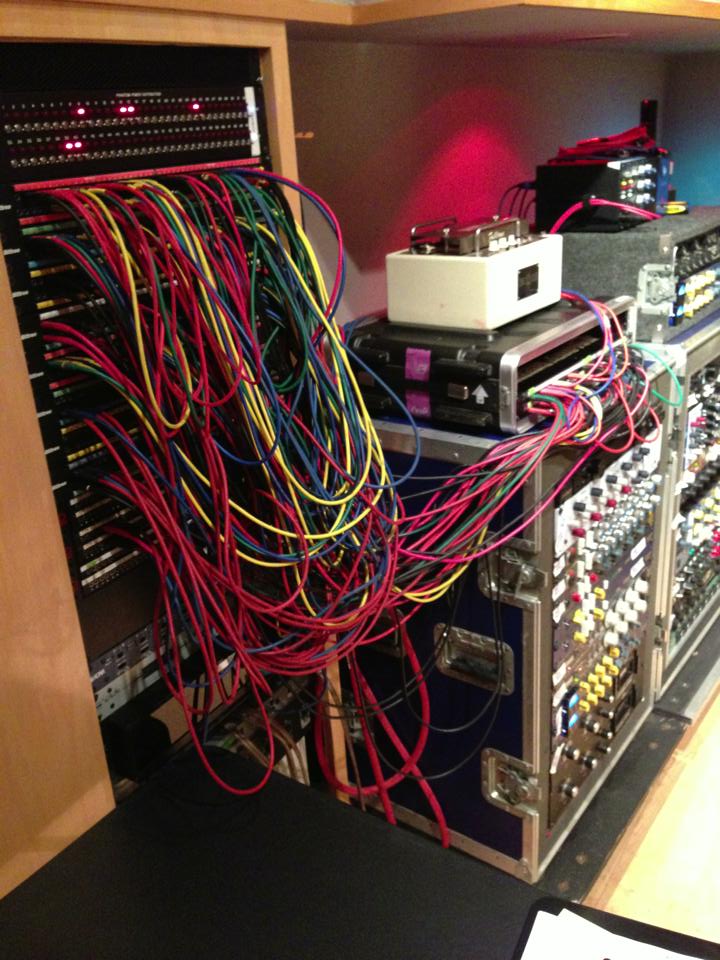
A Thousand Suns and Hunting Party Gear Porn 3Things get complicated… and complicated things can take a while

What are the pros/cons of working on an album for that long? How did it differ from a typical album making experience for you? Would you ever do it again (with any artist)?‬ – Connor Gilkinson

Pros: For the most part, you aren’t battling a deadline which takes some pressure off. You also have room to abandon a song for the day if you’re getting frustrated with it or losing perspective. There’s no rush or need to push through and be miserable. If the band’s really having an off day, you can all take off and regroup the next day.

From my personal angle as a freelancing engineer, it’s really nice to not have to worry about drumming up work for an extended period of time. There’s a steady paycheck, which means you’re not stressing about finding/scheduling more gigs. We also took weekends off so it was nice to be able to schedule time to spend with my wife. When you’re constantly going from gig to gig where you don’t know when you’ll be working, it can be hard to plan social events out in advance.

Cons: It’s a really long time to spend in a studio with people. I like the band and am good friends with the rest of the engineering crew, but you’re talking about spending 10-14 hours a day, 5 days a week with the same people for a year and a half straight. And you’re doing that in a room that is designed to minimize outside noise and light. You can get a little stir crazy. It’s also a really long time to focus on a batch of songs, particularly in the last few months of the album. You’ve heard everything so many times, it’s hard to keep a fresh perspective on things.

It’s also a major commitment, discography-wise. There’s a year and a half gap in releases for me because I was on one long record. There were a few other engineer projects that came up during the course of the album that were of interest that I just couldn’t take. So you’ve got to hope the album you’re on does well because it was such a commitment.

This comes up briefly in the podcast, but we worked on A Thousand Suns longer than this record. However, that album was broken up into shorter stints. The longest being six months, I believe. But yes, I would do this again. I’m not one to turn down work, and getting to work in class A studios for that time period was fantastic, but it’s definitely not something I’d want to rush into doing again soon. One of the things I like about freelancing is the variety of projects I can work on in a year.
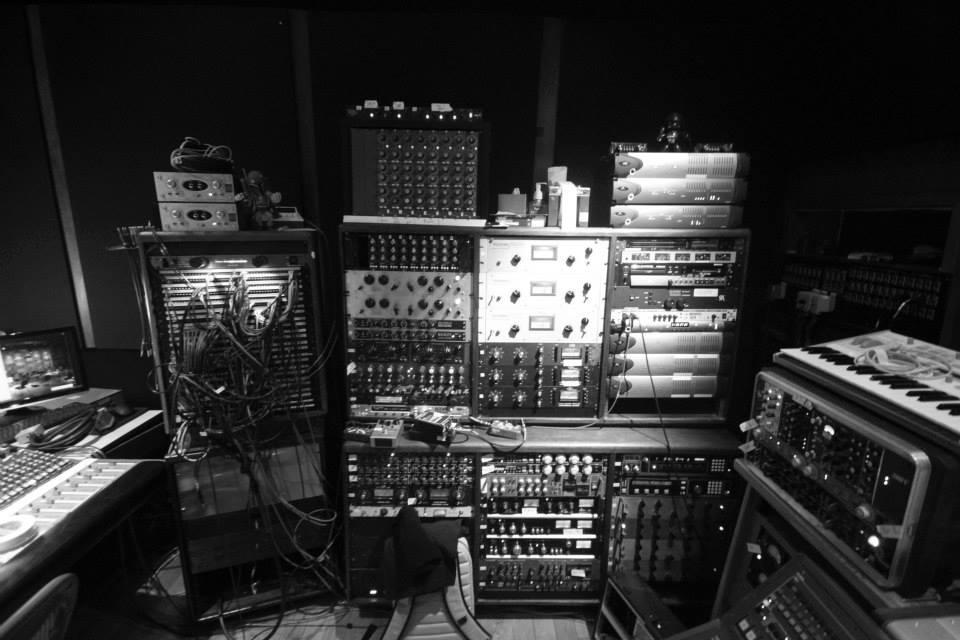
A Thousand Suns and Hunting Party Gear Porn 9

Piggy back on this question, How do you and the band keep focus on the vision of the album for that long?‬ – Patrick Graf

If I’m being completely honest, there were times that I had real trouble maintaining perspective on tracks. Since there were two engineers, sometimes we’d swap off tasks if one song in particular was being worked on for a few days straight. That seemed to help. Fortunately, I wasn’t the producer so the fact that sometimes I couldn’t tell if I liked a change better because it was actually better or just because it was new wasn’t an end-all, be-all. And I could be honest with the band about that when it came up.

As for the band, different people in the band had different approaches. Overall as a band they would meet weekly to discuss the songs, and we’d keep a going DropBox of every version of the song (upwards of 20 versions for most songs) so it was possible for them to go back and reference what had been done. I do think the overall vision for the album changed a bit as it went along since the band didn’t come in with all of the material written and demoed.
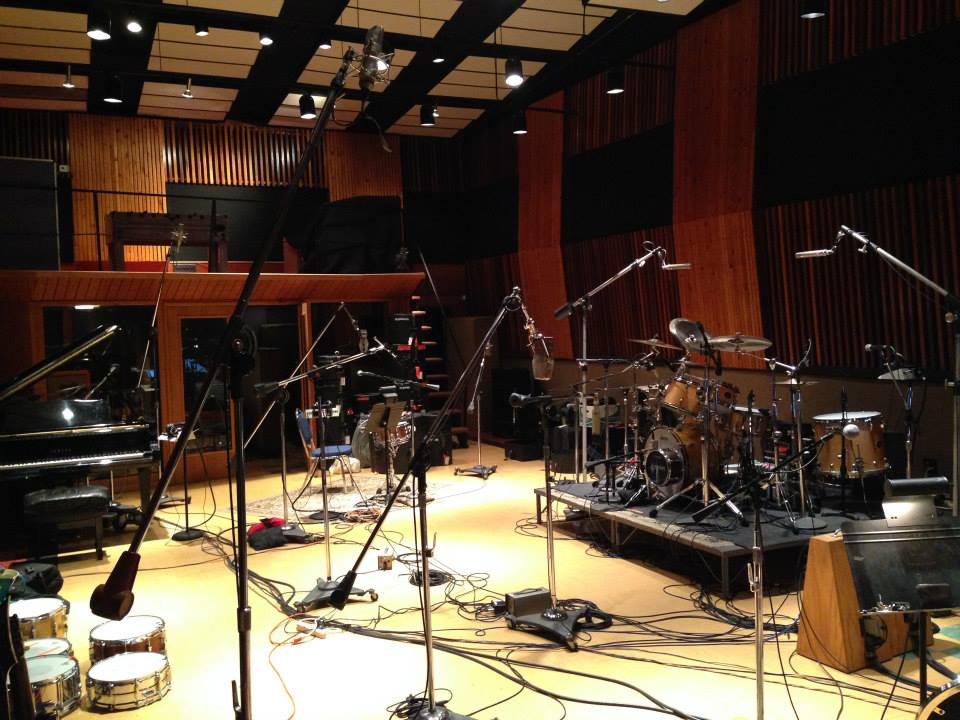
A Thousand Suns and Hunting Party Gear Porn 10

How do you combat the issue of wanting to throw out material constantly, because in that time you feel like you’ve become a better writer?‬ – Connor Gilkinson

I guess that’s more of a question for the band. There were a few songs written later in the album that knocked older favorites out, but there was somewhat of a set period allocated for writing, then the rest of the time was spent flushing everything out. The best songs somewhat float to the top that way, and the entire band has input on what songs they like best and why so that serves as a system of checks and balances.

What’s the secret to that classic phat Linkin park rhythm tone??‬ – Austin Shafer

If you’re talking about their first few albums, I’d imagine it’s a combination of the guitar, a Mesa and Marshall through a Neve console with Andy Wallace mixing. In later years, it’s really depended on the album/song as to the guitar chain. As of late, there’s been a lot of Fender Custom Shop Strat through an Orange TH-100 into a Orange 2×12”. Ethan Mates, one of the band’s engineers, has a massive and amazing collection of pedals that are always on hand. Ethan’s Gibson SG has been in pretty heavy rotation for rhythm tones in the last few albums as well.
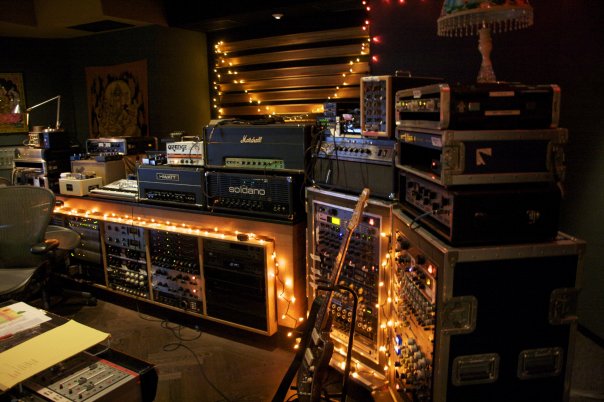
A Thousand Suns and Hunting Party Gear Porn 6Phat tones, you say?

What did you find was most effective for cataloguing and keeping records?‬ – Maxwell Robert Butterfield

This is pretty low tech, but for recall notes, we take photos with a digital camera, print them out, and put them in 3” binders with song titles for the dividers. Every part that gets tracked has its recording chain and settings documented.

For the songs, we used a combination of DropBox documents and Google documents, as well as the assistant and engineers keeping a running log in a notebook in the computer. That way, every day’s work is always unhand and easily accessible. The band also likes the old marker board method for keeping track of what songs needed parts tracked.

We used Synchronize Pro for syncing up hard drives at the end of the day. The program looks at your source folders and your backup folders, scans them, and then only copies the new files you’ve created during the day. If you move files or delete them off of your primary drive, it will notify you before deleting anything off of your backup drive so that you don’t accidentally erase anything.
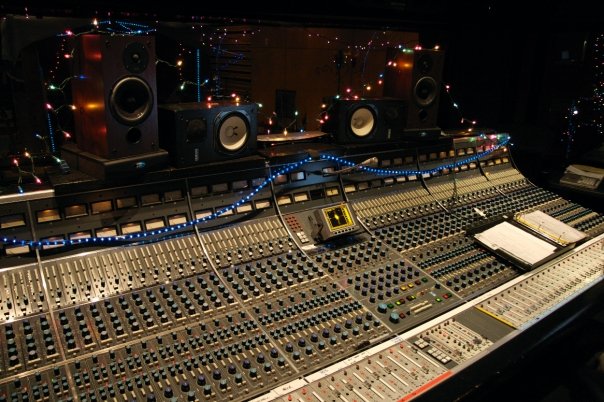
A Thousand Suns and Hunting Party Gear Porn 1Get good at keeping notes!

Was it intimidating working with a group of well respected musicians/engineers?‬ – Rodney Altenbaugh

Not really. I’ve been working with Linkin for nearly a decade, and I have known them since I was a studio runner at NRG Studios when they were doing Meteora.

There have been a few people who’ve worked with us along the way who I’ve gotten a little star struck about, particularly Andy Wallace, but I’ve been very fortunate to work with a number of well-known engineers over the years so I can keep my nerves in check. The guys are also really nice and easy to get along with so it’s not that intimidating from a client angle.

With an artist like Linkin Park who have been known to write several songs and change how they write and experiment with their songs, how do you funnel in all the information and pick which riffs are better then another’s when writing situations like that are sure to have so many great ideas?‬ – John Maciel

While the engineers do get to have some feedback in the process and are encouraged to give our opinions, at the end of the day, especially when they’re self-producing, it’s the band’s call. They all meet regularly in the studio to listen to the existing songs as well as any new songs that get written, and they make their decisions as a band as to which ones are best. There are disagreements at times, wouldn’t say fights, but they do a good job of putting what’s best for the band overall first, as well as being polite when critiquing each other’s writing.
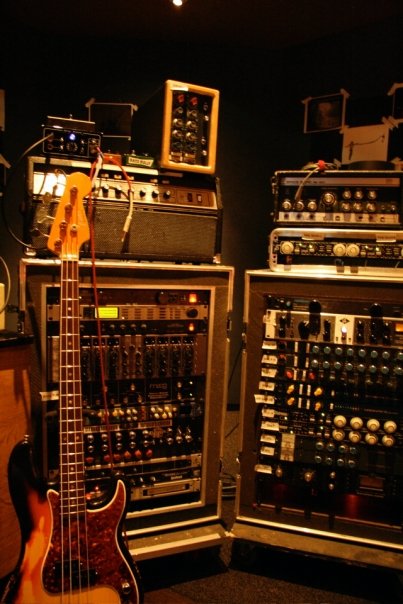
A Thousand Suns and Hunting Party Gear Porn 2

How do you approach arranging a song with two lead vocalists? Are there any things you need to consider when having two lead vocal parts as opposed to a lead vocal and background vocal?‬ – Eric Bert

At times, it’s as simple as, “We should rap here, Mike will do it, and there should be screaming here, so Chester should do it.” As a general rule, though, Chester is the lead singer as far as the division of labor goes. Sometimes it comes down to whose vocal range works better for a part, or there are other instances where both guys will sing the song then they chose whose vocal works best for the material.

How do you keep focus and interest on a project that can take longer then say “normal” recording cycles?‬ – John Maciel

When you’re in the studio working, it’s good to know to take breaks or when to walk away from a song that’s frustrating you. Fortunately, with the time we had to work on it, that was possible.

Outside the studio, I found it best to really leave work at work and try to not think about the songs. I’d listen to podcasts or different types of music (got back into jazz) when not working, and in general tried to focus on non-music hobbies. The other engineer and I actually got into re-building 1980s BMX bikes while doing the album. It was a fun thing to do that was creative without it being music-related.

I also took on a few lower-budget weekend side mix projects here and there to have something to work on as well. Exercised a different set of engineering skills and kept my mix chops up.
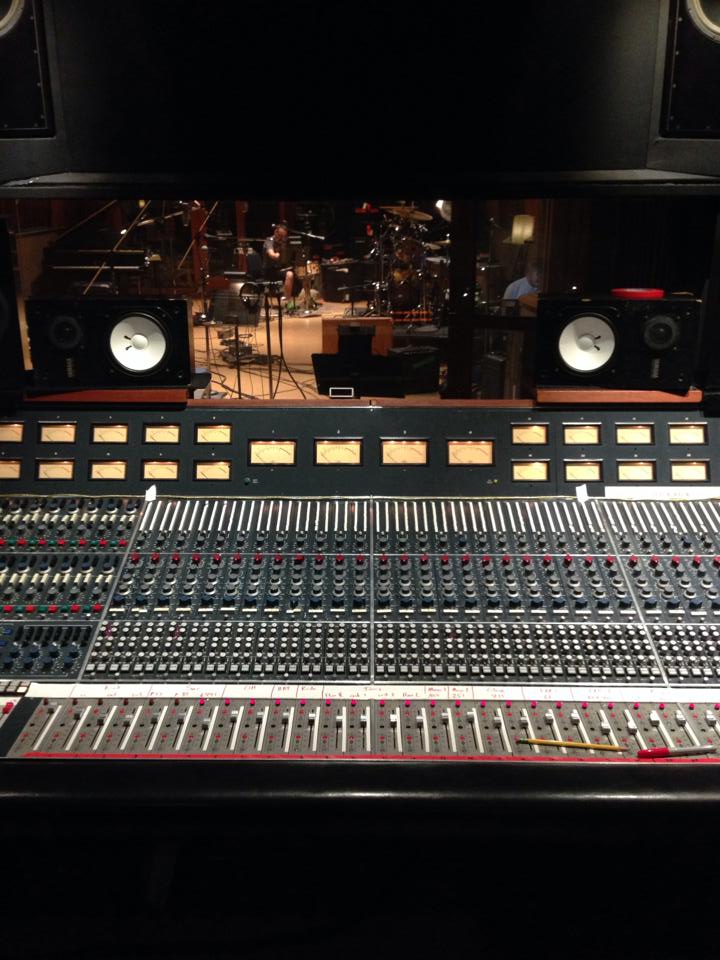
A Thousand Suns and Hunting Party Gear Porn 4

I remember Mike Shinoda making a post about how Pro Tools would crash every know and then. Was it a simple restart to fix the issue or was a little bit more complicated than that? Thanks!‬ – Patrick McConkey

This comes up in the podcast. I think the fans took Mike’s tweet a little too seriously, as he was just venting on a day when Pro Tools was being a little extra ornery. I’ve made similar tweets myself, I just have significantly fewer followers on there. If I recall we were having some issues with some virtual instruments at the time. It wasn’t anything particularly memorable or notable. Pro Tools doesn’t seem to clear out the disk cache properly on the newer HDX versions so opening multiple sessions running heavy virtual instruments could get a little weird. Generally a restart fixed the problem. At worst, we’d have to trash preferences and restart.

How does your perspective change working on such a long timeframe for a project? Was the year long schedule set up for the workflow or a result of working until the songs were right? Any tips on file management you had to develop for maintaining sanity and no bullshit?‬ – Shaun O’Shaughnessy

Honestly, you burn out a bit here and there. I guess the strangest part was that there really wasn’t a deadline for the bulk of the project. Usually there’s a looming due date that will keep you focussed. It does leave you with the opportunity to really explore all of your options sonically and arrangement-wise when given that time and those resources. The session was actually over a year, primarily due to the fact that the guys were embracing a new approach to making a record as well as a new sonic direction. They write in the studio as well so that’s a big part of it.

As for file management, there were multiple people keeping pretty extensive notes as we worked. And there are a lot of backups and redundant backups. But it wouldn’t be uncommon to have three or four different versions of a song/Pro Tools session going at once that eventually would need to get merged. That got a bit hairy at times, and it depended on who we were getting files from as to how we’d keep up with their work. If it was one of the primary engineers in the session, we’d label and color code tracks that needed to be imported or were new.

We’d do the same thing for any audio that came in from outside collaborators, as well as notating who it came from in the comments section of the mix/edit windows. We also would use an ascending number system and initials to keep track of who’d created a version of a session. For example: “Song Title 2.1 JN” would mean that was the 21st version of a song and that I was the one who’d created it.

For sanity, make sure you get a good night’s sleep as often as possible. After stressful days, I’d usually come home, have a glass of whiskey, and read, watch some Netflix, really anything I could other than think about work. Not in a bad way, but you just have to let it go some times. Or I’d focus on non-musical hobbies like the aforementioned BMX project or going hiking with my wife on weekends.

I also made it a point to take my dogs for a good walk (a couple of miles) every morning without my cell phone so that I was getting that bit of minimal exercise and sunlight. The lifestyle that goes along with this profession- extended hours sitting at a computer, in the dark, eating takeout food, staying up late, not sleeping enough- really isn’t all that great for you so it’s important to try to take care of yourself on long sessions.
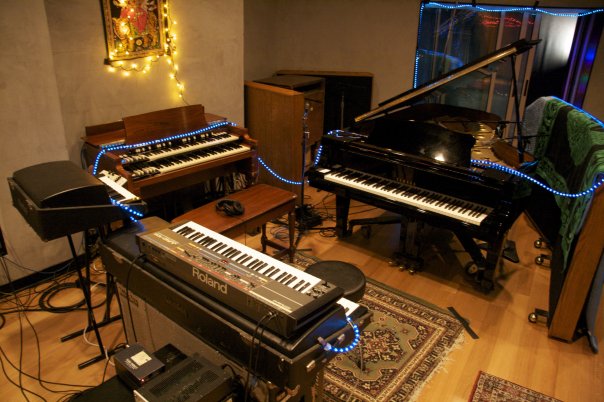
A Thousand Suns and Hunting Party Gear Porn 7

Was there ever a point where the vision of the project changed or a body of work was scrapped? Did any other hurdles present themselves, if so, how did you deal with it?‬ – Chad Slee

There was never a point where we yelled, “Screw it, we’re starting over!” or anything, but there were times a song would get to a point where it didn’t feel like it was working. When that happened, we’d go back a few versions of the song until we found the last point that felt inspired, would open that session, and then start working from there. So we did backtrack every now and then. Or there were times when a new part would inspire a completely different approach to a song so the production would completely change. And sometimes that worked, and other times you’d go back to the older version.

Did he find it hard for himself and the band to maintain focus, and maybe more importantly, creative excitement for the music, during such a long production schedule?‬ – Jordon Popp

For me, at times, yes. And there were times you could see people losing focus/interest/excitement on the album as well. At times like that you either take a break or power through. Most everyone became very aware of this potential issue as we got farther into the project and tried to remain cognizant of it. For the band, not everyone came in every day. For the engineers, we’d try to swap tasks (someone would edit while the other one covered tracking). Little things like that.
A Thousand Suns and Hunting Party Gear Porn 8

Following the discussion on the last podcast about Andy Wallace, who mixed this record and did you gain any insight into their process?‬ – Michael Macdonald

Sorry, but I’m not sure that I’m allowed to say who mixed the album yet. I can say that it wasn’t Andy Wallace and that I wasn’t present for the mixing process this time around.

How the hell do you calculate that fee? I guess they basically just finance your life for that entire time?‬ – Sascha Veeno

I agreed on a day rate with management when they approached me about the album. This being my fourth album with them, I had a pretty good grasp on what the average work day would entail hours-wise (although, definitely not how long we’d work on the album) so we based it around that. But yeah, I suppose I was basically an employee of Linkin Park for a year plus there.

How do you maintain perspective and interest in such a long project?‬ – Brooke Johnson

Think I pretty much covered this already. To summarize: Embrace the time you have outside of the session and leave work at work. When you’re in the studio, know when to get up and walk around or go outside. Avoid extended hours if possible; know when you can come back to an edit/part/song/whatever the next day because you need to go home and rest. Swap from song to song in a day if you’re stuck on one or feeling burned out.


For more awesome tips on becoming a better producer, head on over to the URM Academy blog and subscribe to our podcast.

Listen to the 2 Year Anniversary Episode of the URM Podcast with Josh Newell HERE

Nail The MixNail The Mix is our online mixing school that gives you REAL multi-tracks from REAL bands, plus a mixing class from the producer who recorded it. Past guests include Periphery, Chelsea Grin, Machine Head and State Champs. Join now for instant access!


Andrew Wade’s hack for re-amping without re-amping

Expect the unexpected

A producer is far more than a mixer, songwriter or engineer. You’re also a psychologist, creative consultant and most of all a resourceful problem-solver.

While every session is different, the one thing you can always count on is that you’re going to get some curveballs – and you’ll only be as successful as your ability to deal with those when they come across the plate. We’ve seen just about everything: bands who come to the studio expecting to record an album but with only a handful of songs written,drummers who throw a fit when you ask them to play to a click, guitarists who write in Guitar Pro and have never actually played their songs, and way more things that we can’t talk about here.

Is this stuff frustrating, annoying and a distraction from doing what you are all there to do (make music)? Yes, yes and hell yes– but it’s part of the job so you need to learn how to roll with the punches without ever showing a hint of fear or weakness. You’ve got to be the master of the situation.

As one simple but common example, let’s say the band decides they don’t like the guitar tone. No problem, right? Just re-amp. Except they didn’t give you a DI… problem! What do you do??

Andrew Wade’s trick for “re-amping” without a DI ( ft A DAY TO REMEMBER )

So you need to make a new guitar tone but didn’t get a DI… wut do? Here’s a little trick via Andrew Wade using tracks from “Right Back At It Again” by A Day To Remember.

In this clip from his Nail The Mix session, Andrew Wade shows what “resourceful” really means and why it separates the men from the boys– here’s a mindblowing little hack he uses to create a new guitar tone without having a DI (using the session from “Right Back At It Again” by A Day To Remember).

File this one away in your bag of tricks and remember that your job as a producer is to always find a way over, around or through whatever obstacles are between you and an amazing recording!


Nail The Mix

Nail The Mix is our online mixing school that gives you REAL multi-tracks from REAL bands, plus a mixing class from the producer who recorded it. Past guests include Periphery, Gojira, Chelsea Grin, A Day To Remember, Machine Head and State Champs. Join now for instant access!