urmadmin, Author at Unstoppable Recording Machine - Page 29 of 45

Learn From The Legends – Volume 3: Andy Wallace

Introduction To The Series:

Learning How To Learn is one of the most crucial steps you can take towards becoming great at pretty much anything – And what better place to learn than from the minds of people who have actually been doing the job successfully for years?

In this ongoing series of Blogs, we’ll explore the valuable words of wisdom bestowed upon us by some of the most sought after names in the recording studio business, and discover how you can apply this advice to your own situation.

This week, we’re studying the studio wisdom of a man whose mixes have influenced and shaped an entire generation of young music lovers: Andy Wallace.

NOTE: If you’re hoping to find some “secret mix settings” or “magic formulas” in this article then you might as well leave now… I can guarantee you that the real secrets behind each of these engineers’ success are their ears and personal tastes.

Remember:

Following the practical “workflow and decision-making” advice these guys have to offer from years of experience in the business is far more valuable than trying to copy the settings they’ve used for specific songs!

VOLUME 3: ANDY WALLACE

1 Volume 3 Andy Wallace

Who Is Andy Wallace?

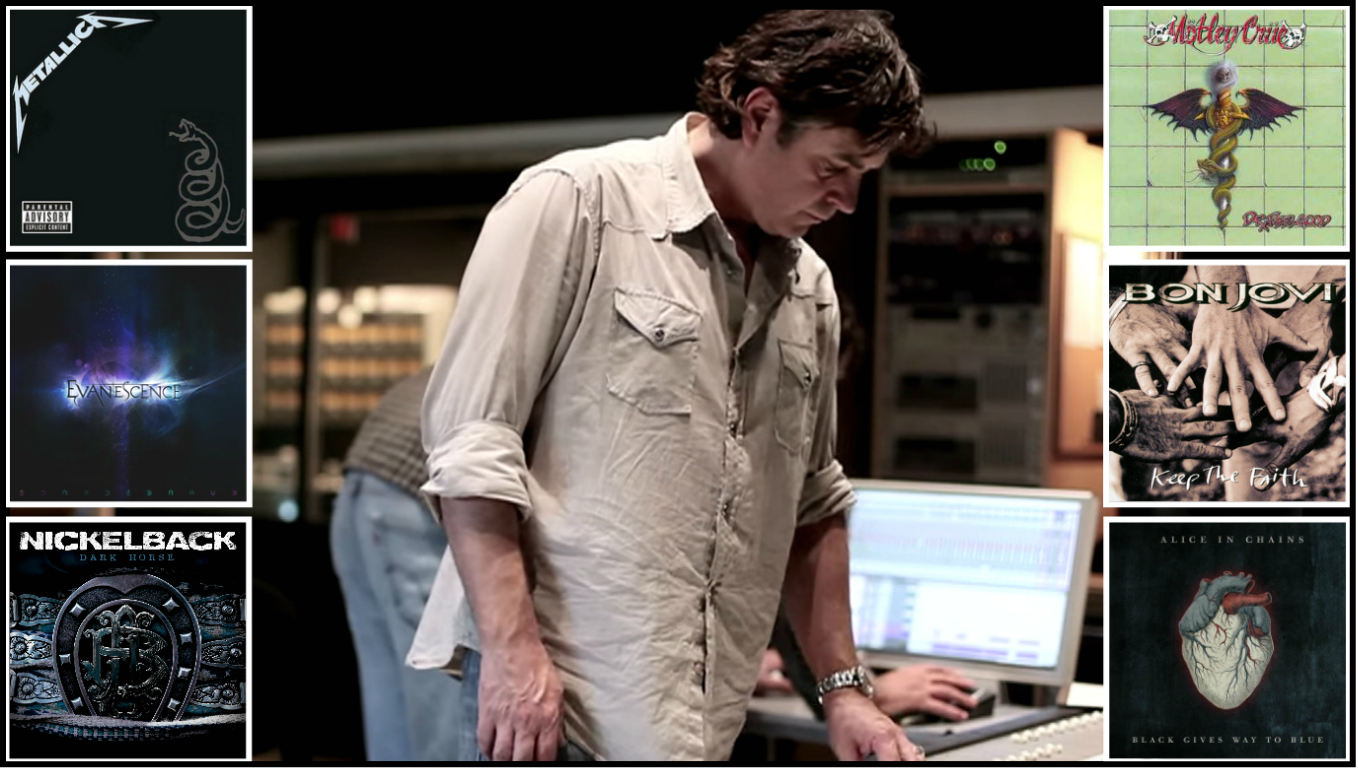
Andy Wallace is an American producer & mixing engineer who helped shape the sound of several groundbreaking albums from the 90’s and early 2000’s such as Nirvana’s “Nevermind” and Linkin Park’s “Hybrid Theory”.

Some of the artists he’s worked with include:

Linkin Park

Nirvana

Avenged Sevenfold

Ghost BC

Biffy Clyro

Coheed And Cambria

System Of A Down

Coldplay

AND MANY MORE…

Now that you know exactly who you’re dealing with, let’s cut straight to the chase:

Here Are 5 Pieces of Stellar Audio Advice From Andy Wallace:
1 – INDECISION IS THE KILLER OF PROGRESS

2 Indecision

When I get a project that’s full of unmade decisions it slows me down, because I have to put my producer hat on and sort out these decisions. I prefer for the recording engineer and producer to decide on the sound for a guitar, but instead, many of them like to keep their options open because they’re looking for perfection. You can always change a mix and not make it worse, but do the changes improve it? In my experience, a mix rarely gets better with endless changes and recalls. For me, a mix is about trying to find something that works and that makes the hairs on the back of my neck stand up, and believing in that. If you are rethinking and second-guessing yourself all the time then you risk losing that feeling.Andy Wallace

Follow your initial instincts, make decisions based on them, live with the results.
  • Are you wondering how Andy is able to mix a chart-topping metal masterpiece in a single day while it takes you weeks or even months to finish a song? Here’s the answer: He’s committing to his initial gut feelings and not spending a second longer than necessary on irrelevant details that won’t make an ounce of difference towards the impact the final song will have on a listener!
  • When reflecting back on the mistakes I made throughout my first few years of music production, the one that always sticks out to me as the worst is the never-ending, obsessive pursuit of “perfection”.
  • Having this “self-defeating” approach towards making music meant that I was doubting my every decision, repeating the same things over and over again in search of an %0.1 improvement, and never getting anything done as a result.

The definition of insanity is doing the same thing over and over again and expecting different results.” – Albert Einstein

  • Striving for greatness and setting high-standards is one thing, but if you’re taking these mentalities to the point of total stagnation and mental duress then what’s the point?
  • It’s impossible to improve and grow in any skill unless you’re willing to make several mistakes and learn a lesson from each one as you progress. If you over-value your pride and waste away your valuable formative years as an engineer living in fear of making mistakes, then all you’re doing is delaying potential opportunities which could lead to success.

NOTE: The fact that all three of the A-Class engineers we’ve discussed so far in this Blog series have hammered-home the importance of committing to recording & production decisions proves just how important of a role such a mindset plays in each of their workflows.

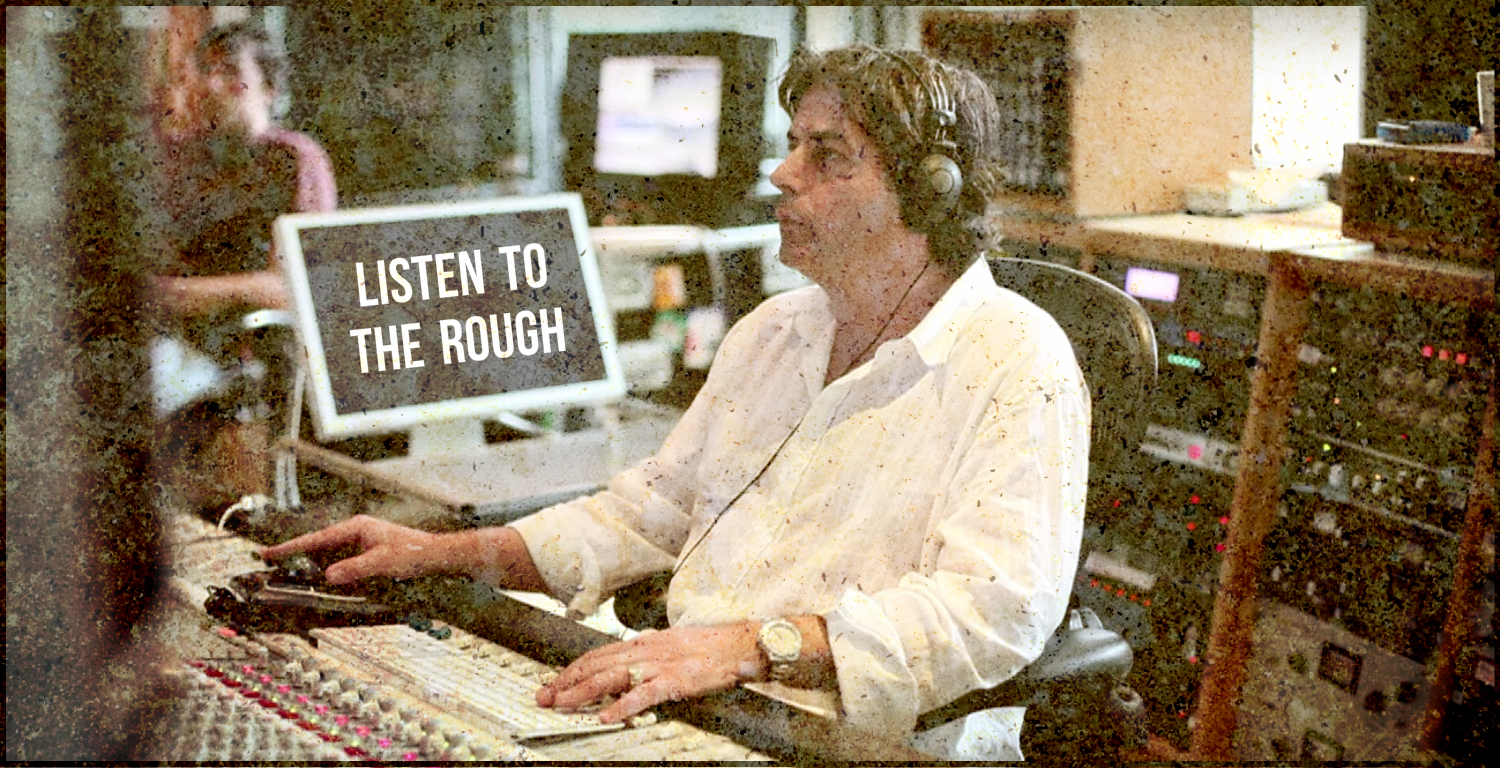
2 – ROUGH MIXES ARE GREAT, BUT DON’T LET THEM LIMIT YOU!

3 Caged By The Rough

I’ll reference the rough initially, but at some point I will end up flying on my own, because when you’re making decisions just based on somebody else’s mix it can be self-defeating. There’s this syndrome that if you listen to something often enough, it will start to sound right. That’s the magic of many old ’50s records, which weren’t necessarily balanced well, but because you’ve heard them so often and because they contain great songs and great performances, they’ve come to sound right. I try to avoid that.Andy Wallace

You Do You!
  • As invaluable as it may be to have a rough mix or reference track to compare your work to during the initial stages of a mix, it can also do more harm than good if put on too high of a pedestal.
  • If you’re always sticking to the limitations and guidelines set by your comparisons too closely, you’ll just end up trying to mimic somebody else’s sound rather than working towards creating your own unique and recognisable sound.
  • The music industry doesn’t need more Andy Wallace, CLA or Joey Sturgis imitators as long as they have the real thing! What it does need, however, is fresh, interesting, and previously unheard sounds that will catch listener’s ears and take the world by storm.
  • Ultimately, it’s important to make sure you’re giving your clients what they’re after, but don’t let that hold you back from expressing your creativity and leaving a signature piece of “you” in each one of your mixes.
3 – A SIMPLE WORKFLOW IS OFTEN THE BEST WORKFLOW

4 A Simple Workflow

I am not shy of using EQ, and it’s almost always board EQ, though I will occasionally use an outboard EQ, or an EQ in Pro Tools when I don’t want to split out to another module. I’m also quite happy to use the SSL compressor. I’ve found over the years that I use less and less outboard gear for mixing. It seems that the SSL can give me what I need.Andy Wallace

Do you really need a huge processing chain on that Tambourine track?!?
  • One of the often-negative side effects of being in a tech-driven profession such as audio engineering is the infatuation with gear that tends to come along with it. The fact that we like to amass huge amounts of hardware and pay far too much attention to price tags means that we’re often tempted to over-do things just for the sake of grandeur and “ego appeasement”.

NOTE: I’m not saying that buying gear or plugins is wrong by any means! I’m just saying that it’s easy to get caught up in a bad case of G.A.S. (gear acquisition syndrome) which over-glorifies equipment and often leads to poor decision-making. Check out my “Buy Smart: A Guide To Buying Gear” URM Blog for an in depth explanation of this subject and some important tips on making better purchases:

https://urm.academy/buy-smart-a-guide-to-buying-gear/

  • People love to study images of a famous engineer’s mixing room or take a tiny portion of a single quote and proceed to make generalised statements about their entire mixing process based on vague assumptions.
  • Just because somebody you look up to owns a certain piece of audio equipment or plugin doesn’t mean they always use it for the exact same purpose across every single mix they work on… Even more importantly… I’ll wager that the gear itself doesn’t play anywhere near as significant of a role as you think it does towards shaping said engineer’s unique sound.
  • Don’t just take Andy Wallace’s or my word for it: Watch through any of the previous Nail The Mix live events and you’ll be surprised at how “to-the-point” and unconvoluted some of the processing each of these mixing legends are using really is compared to how elaborate and complex you assume it may be.

NOTE: Funnily enough, almost all of these guys use a single, solitary SSL channelstrip plugin for certain tasks and not much else. Small world eh?

NOTE #2: In the case of Andy Wallace, I’d highly recommend checking out his “Mix With The Masters – Deconstructing A Mix” series if you want an insider’s look at his entire mixing workflow. It’s rather expensive, but full of truly eye-opening insight into the straight-forward simplicity of his process:

https://www.mixwiththemasters.com/videos/series/301/6273

4 – DON’T DRENCH THE MIX FROM THE GET-GO

5 Don't Drench The Mix

“When I came up in the 1970s, all studios had very dry rooms, because in those days the idea was to just pad everything. There was something cool about that, and I still like that dry sound. One thing is that it gives you a lot of clarity; it’s an easy way of getting definition. But it is also like a woman wearing no makeup, she has to look pretty good as she is! It puts on more pressure to make sure the dry sounds are right.

When I start putting a mix together I’ll usually go for that dry sound, because I’m trying to get it to sound like it’s hitting me in the chest and punching me. I may use gates to make things like the drums sound really dry. Later on, during the stage when I’m working with the automation, I will fill out all the ambiences and reverbs and echoes and whatever, until the mix feels right to me. – Andy Wallace

Here are a few reasons why you might want to hold-off on your ambient FX “ear-candy” until later on in the process:
  • Soaking everything in reverb It’s a cheap way of hiding the musical and technical problems within a mix, while also making your final product sound like a bad throwback to the 80s in the process.
  • Don’t get me wrong, reverb is one of the most powerful tools at an engineer’s disposal. When used in good taste, it can help transform an otherwise flat and lifeless mix into an immersive and layered listening experience full of depth and contrast.
  • Although your drums and vocals might sound significantly more polished and mixed from the moment you send them through a hall or plate, there’s a good chance that they’d sound even better if you got them to sound half-decent before applying these types of FX.
  • The next time you open up a new project and start mixing, try and stick to the bare basics of Balancing, Panning, EQ, Compression and Gating until each element is impressive enough to stand it’s own ground without having to rely on FX or studio trickery.
  • Once you’ve reached a point where your mix is strong enough in its dry form, you can then start polish it even further via the use of reverb, delay and any other cool tricks you’d otherwise tend to rely on from the very beginning of the process.
5 – CONCLUSION: YOU WON’T ALWAYS BE THE RIGHT GUY FOR THE JOB!

6 The Wrong Guy For The Job

It’s difficult for me when I have a mix that I know is sounding good and the artist and the producer, or whoever is appropriate, starts getting too involved in little things that really don’t make a big difference; they’re not making a better mix out of it, they’re just changing things. I don’t mind that to a point, but if it gets almost endless — you know, where they just can’t let go and need to keep changing things — then I feel like I’m just doing damage control, trying to keep the thing from eroding.

Sometimes that’ll happen. They’ll ask me, “What do you think?” and I’ll say, “I liked the way it was when I played it for you; otherwise, I wouldn’t have played it.” Is it possible to make some changes to it without my hating it? Sure. Are any of the changes you’re making, in my estimation, making it any better? No. And, collectively, when you keep doing it, sooner or later we’re going to get past where we are. So that’s always difficult when I get into a situation like that where it’s getting overboard. Andy Wallace

I’ve also had a kind of a thing where it’s sort of like breaking up with a girlfriend or something like that — where, after getting into a project for a couple of mixes, you realize that you’re not the right guy for the job and that you’re not giving the artist what they want. I may not agree with what they want, but it’s their record… Usually, it’s something where they want it to sound real garage-y or super-muddy. I can certainly get something to sound garage-y, but I can still make it have definition and such. That’s just a matter of ambience, not a matter of clarity, you know? But that’s happened a few times. It’s usually mutually felt by all of us that we’re not nailing it. Andy Wallace

You win some, you lose some…

  • The simple truth about any creative outlet which involves an element of taste or preference is that your personal vision for a project won’t always align with that of the people you choose to collaborate with. Mixing is no exception to this dilemma and therefore often the main reasons why an artist or label will choose a specific person for the job in the first place.
  • Although certain cases of artistic difference can be resolved through something as simple as a few minor compromises on each end, it’s not uncommon for a project to require a vastly different approach by a different engineer entirely.
  • Knowing your own strengths, weaknesses and unique-selling-points as an engineer, alongside knowing when to turn down a particular project that might be better suited to somebody else can go a long way towards saving yourself from a great deal of frustration, wasted time, and even potential embarrassment in certain cases.
Final Words:

This concludes “Learn From The Legends – Volume 3: Andy Wallace.” I hope that this article has given you some new ideas to try out during your next project. Be sure to comment below if any of this information has helped you out, or if you have any questions.

Stay tuned for more production/mixing related articles in the not-so-distant future!


Read Learn From The Legends – Volume 1: Chris Lord-Alge here!

Read Learn From The Legends – Volume 2: Randy Staub here!

Want mix tips from URM Academy? Read them here!

Nail The MixNail The Mix is our online mixing school that gives you REAL multi-tracks from REAL bands, plus a mixing class from the producer who recorded it. Past guests include Periphery, Chelsea Grin, Machine Head and State Champs. Join now for instant access!

You Should Be Doing Live Sound – Part 2

| By Dave Whalen | 

In my last article, I outlined the many advantages of doing live sound, and how it will help you develop your skills on a technical level. That’s all great, but what if I were to tell you that’s not even the most important benefit? There is an even greater advantage, and I’ll tell you what it is.

Are you ready?

People.

That’s right, you’re actually going to meet real people and make their bands sound good. For a bunch of folks who sit in a dark room listening to a 4-bar phrase on loop for three hours at a time, this is a huge deal.

I mean… Learning how to dial in a snare compressor in ten seconds is great and all, but nothing can compare to actually meeting and dealing with real-life, honest-to-goodness people, and all of the benefits of interacting with them – such as:

You’re going to meet some good contacts:

When you think about it, there are a lot of people involved in putting on a show. There’s the venue owner (if it’s a small venue you may interact with them), manager, promoter, and, of course, the band. These people represent contacts which collectively make up your local scene. Doing sound for various places in your scene is going to put your face in front of a lot of bands. They will inevitably know that you make things sound good for money. All that’s left is to make them sound as good as possible… And possibly hand them a business card while you’re talking.

Napoleon

You’ll get to show off how you work:

All of the great new friends you’re making at tonight’s bar gig are going to see, first-hand, how you handle yourself when it’s time to bring it. As a guy who feels a little awkward talking myself up in a way that’s not pushy or irritating, this is a big deal. To me it’s the most natural setting to showcase your chops, because everyone is there just doing what they’re being paid to do. All you have to do is be awesome.

From setting up, to switching bands, to when it’s time to wrap it up, you are in the “invisible spotlight.” You’re responsible for making sure everything on your end goes smoothly and the band sounds amazing. If you do it right, no one will even know you’re there. In the end though, the band will appreciate what an effortless experience it was to play their show. (not like the last guy who couldn’t get the monitor mix right)

I can say as a band member, a sound guy who can keep things running smoothly is always appreciated. My band always took $20 from our haul for the night and tipped an awesome sound guy.

It could land you some recording gigs:

Like I mentioned before, you’re going to be in front of a lot more people, doing your thing. This is a great opportunity to let the bands know that you’re also a recording engineer. Don’t be ham-fisted about it though. You don’t want to force yourself onto them in such a way that it becomes a turn-off. Let it come naturally in conversation. Eventually word will spread about your studio, and you will finally be able to take over the Tri-State Area!

doofenschmirtz tri-state

You’ll get lots of practice being nice to people who suck:

You may have heard of the lead singer who stops in the middle of every song to complain that he can’t hear himself in the monitors and gets super frustrated. Or maybe the guy standing on stage, behind the mains, critiquing you mix because he would rather monitor through the house system than through his monitor.”

Then there’s the guy who walks up to the mix console and says, “Hey that sounds real great. Is there too much reverb?” Seriously dude, either it sounds great or there’s too much reverb. Pick one.

Actually, don’t say that. Just smile and nod.

Please note, all of these guys are likely to actually be the same guy.

Let’s face it, not all people are awesome – in fact, I have a fairly low tolerance for suckitude. People are created for relationships however, so knowing how to deal with difficult people in a graceful, amicable way will help you in all facets of life. You may as well practice while you’re doing something you love and getting paid, it makes it less painful.

You’ll get the opportunity how to troll people with style:

If it happens that you’ve tried “human relationships” a few times and have decided that it’s just not for you, live sound is a great avenue to be able to completely troll people, in style. Turning the bass player down and screwing with monitor mixes comes to mind.

Metalligaga Grammys

Or you could disconnect something somewhere in the chain which completely disables the lead vocal mic from the house system and the television broadcast. I don’t actually think guy was trolling, but if he was, it was epic. Either way, he probably won’t be engineering for the Grammys again.

If you do choose to use your position of ultimate power for the trolling of all musician-kind, just know that you’ll only be able to do it a few times before venues magically find another guy to do their sound on a consistent basis. Consider yourself warned.

You’ll be able to do all of this while making some extra money:

This is possibly the biggest advantage of all. After all, that new Distressor isn’t going to pay for itself… And after you buy it you can invite all your new friends to the studio to check it out.

So the next time you think to yourself, “Self, what can I do to meet people, show them what I can do in a way that’s not pushy, practice patience and problem-solving, potentially mess with them, and get paid for it?” the answer is clear: go get hooked up with a live sound gig.


Dave Whalen is a producer and mix engineer currently based in western Ohio.

You can find some of his work and other production/mixing tips on his website – The Mix Shed.

You can read “You Should Be Doing Live Sound – Part 1” here.

Nail The MixNail The Mix is our online mixing school that gives you REAL multi-tracks from REAL bands, plus a mixing class from the producer who recorded it. Past guests include Periphery, Chelsea Grin, Machine Head and State Champs. Join now for instant access!


KEVIN CHURKO: Working with Mutt Lange, The Secret to Hit Songs, His No-Reverb Drum Sound

Kevin Churko is a producer, songwriter, engineer, and mixer known for his work with some of modern rock’s biggest names. After cutting his teeth as a touring musician and studio engineer, he famously landed a gig working with his hero, Mutt Lange. Since then, he has built an incredible discography, forging long-term creative partnerships with bands like Five Finger Death Punch, In This Moment, and Disturbed, for whom he produced the smash hit cover “The Sound of Silence.” His credits also include work with Ozzy Osbourne and Papa Roach, cementing his reputation for crafting powerful, commercially successful rock records.

In This Episode

Kevin Churko drops by for an awesome, wide-ranging chat that covers his entire journey, from his early days bouncing tracks on a four-track to working alongside Mutt Lange. He shares some incredible stories about almost quitting music for a database job and what it *really* takes to make it in this business—hint: it involves insane work ethic and reading the manuals. For all you producers out there, this episode is packed with gems. Kevin breaks down his philosophy on staying current, making heavy music that connects with a wider audience, and the business savvy required for a long career. He also gets into some killer technical details, discussing his approach to songwriting, how he gets his signature drum sounds without using reverb, and why automation is one of the most powerful tools in his mixing arsenal. It’s a masterclass in balancing technical chops, creative vision, and smart career strategy.

Products Mentioned

Timestamps

  • [2:44] Getting started with a Tascam 244 four-track
  • [4:56] His philosophy on raising a musical child (his son, Kane Churko)
  • [12:17] How he landed the gig with his hero, Mutt Lange
  • [15:38] Getting crushed by failure after not getting the Shania Twain drumming gig
  • [16:11] Almost quitting music to become a database programmer
  • [20:36] Learning Logic Pro from the manual on the plane to Switzerland
  • [22:42] Why you should always read the manuals
  • [26:09] What he looks for when hiring an assistant engineer
  • [29:02] The brutal stamina test required to succeed in the music industry
  • [31:35] How he stays current with new music (and how his family helps)
  • [34:45] The producer’s job: to make heavy bands more palatable for a wider audience
  • [40:48] The story behind In This Moment’s drastic sound change on the “Blood” album
  • [47:10] What really makes a song a hit
  • [48:37] How a great song can find an audience without radio play in the modern era
  • [50:39] The definition of a good hook
  • [55:05] His go-to overhead mic and why it’s not an expensive, boutique choice
  • [1:01:46] The secret to his signature snare tail: compressing the natural room sound
  • [1:04:13] How to get powerful, clean drums and avoid mud in the mix
  • [1:08:00] His extensive use of automation on everything, including master bus compression
  • [1:09:00] Automating vocal EQ to handle a singer who goes from a whisper to a scream

5 Tips To Super-Charge Your Mixing Workflow

Introduction To The Series:

What if I told you that whether you’re aware of it or not, there are probably dozens of tedious studio tasks that you’re wasting unnecessary amounts of valuable time on every single day?

But it doesn’t have to be that way…

Efficient time-management is one of the most crucial things to get right when trying to make a career out of music production and mixing. Taking the time to learn how and where to cut corners (in a good way) in order to save time is extremely beneficial towards getting more work done and ultimately, making your time spent in-front of a DAW as productive as possible.


In this week’s URM Blog, we’ll be taking a look at some tips and tricks you can use to streamline your workflow and free up some precious time.

Here are 5 tips to super-charge your mixing workflow:
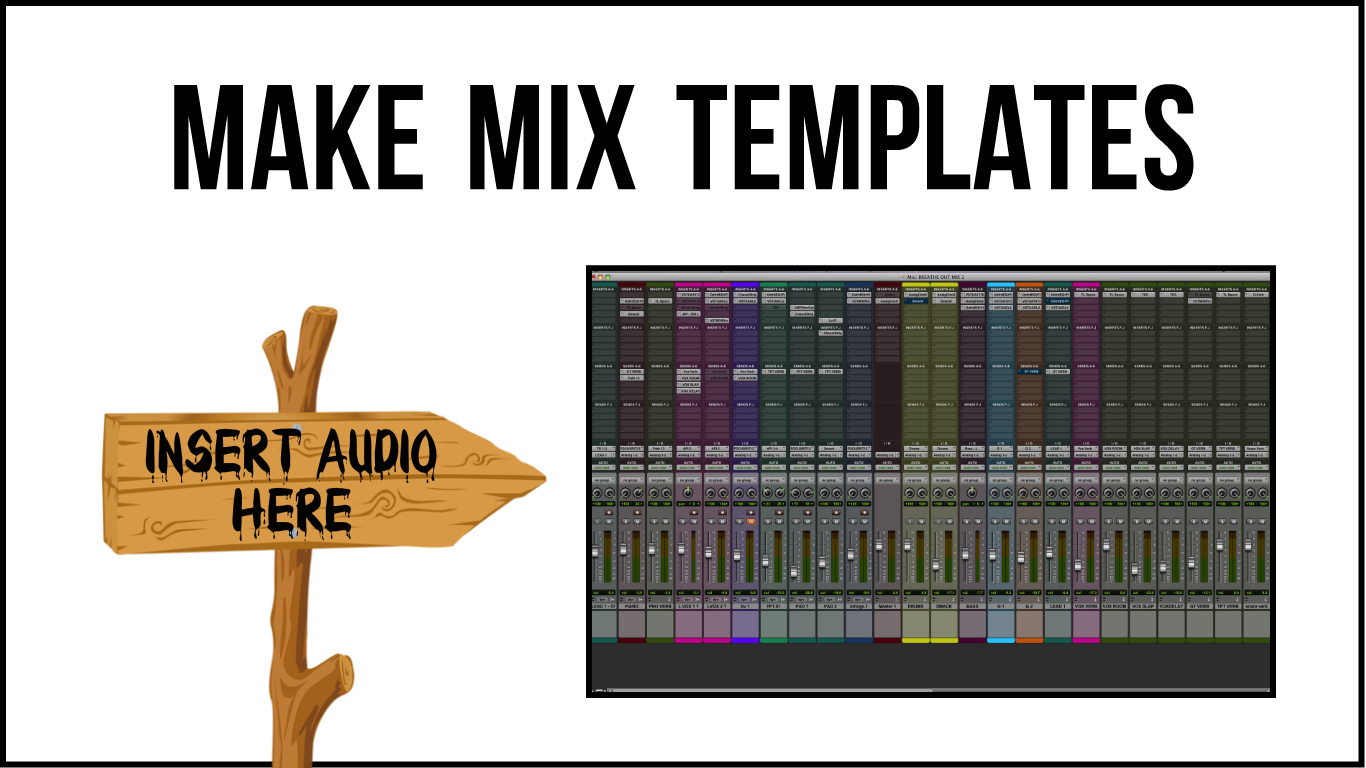
Tip #1 – Make Mix Templates

1 Make Mix Templates

A common mistake which can waste a lot of time if done on a daily-basis is re-doing the same boring tasks from scratch every time you fire up a new session for a project.

Creating custom templates which allow you to bypass some of the repetitive grunt work is an excellent way of freeing up some valuable time and allowing you to dive straight into the fun part. (which also happens to be the better moneymaker!)

Here are a few examples of things you can consider including in a Mixing Template:
  • Pre-Routed Instrument Groups/Busses: Setting up a well named, tidy grouping system takes a while, but is an integral part of any efficient mixing setup. Why not come up with a kind of “pre-built routing & bussing checkpoint” template which allows you to skip the tedious setup process?
  • You can even pre-equip your group channels with any processing you’ll ultimately end up using in order to save further time and hassle later on.
  • Parallel Compression, Distortion, Excitation Sends: You can set up an infinite number of varying parallel FX sends which can be blended in underneath your original signals for added oomph or air.

NOTE: Some of the sends I like to set-up in my own projects include a Parallel Distortion (Soundtoys Decapitator), multiple Parallel Compression sends of varying colour (A dbx 160, A Slate 1176) and an Exciter (Waves’ Aphex Aural Exciter).

  • Multiple Reverb Sends Set For Different Purposes: These could include a short room-reverb for added ambience & realism, a medium plate for Drums, a long hall for FX and Vocals, etc.
  • A selection of Delay Sends: A short “Lennon Style” slapback, a ¼ note Delay for long “delay throws”, a stereo Ping-Pong delay with varying settings for general use on Vocals and Instruments, etc.
  • A Stereo Widener/Doubler Send: Waves’ Doubler, Eventide’s H3000 Factory and Soundtoys’ Microshift are all excellent plugin options for this purpose, and always great to have readily available on an Aux.

NOTE: These are just a few basic ideas of what might end up in a mixing template. Long story short, anything that you use on a regular basis and would usually take a while to set-up is an ideal candidate for inclusion.

Tip #2 – Commit To Decisions & Move On ASAP

2 Commit And Move On

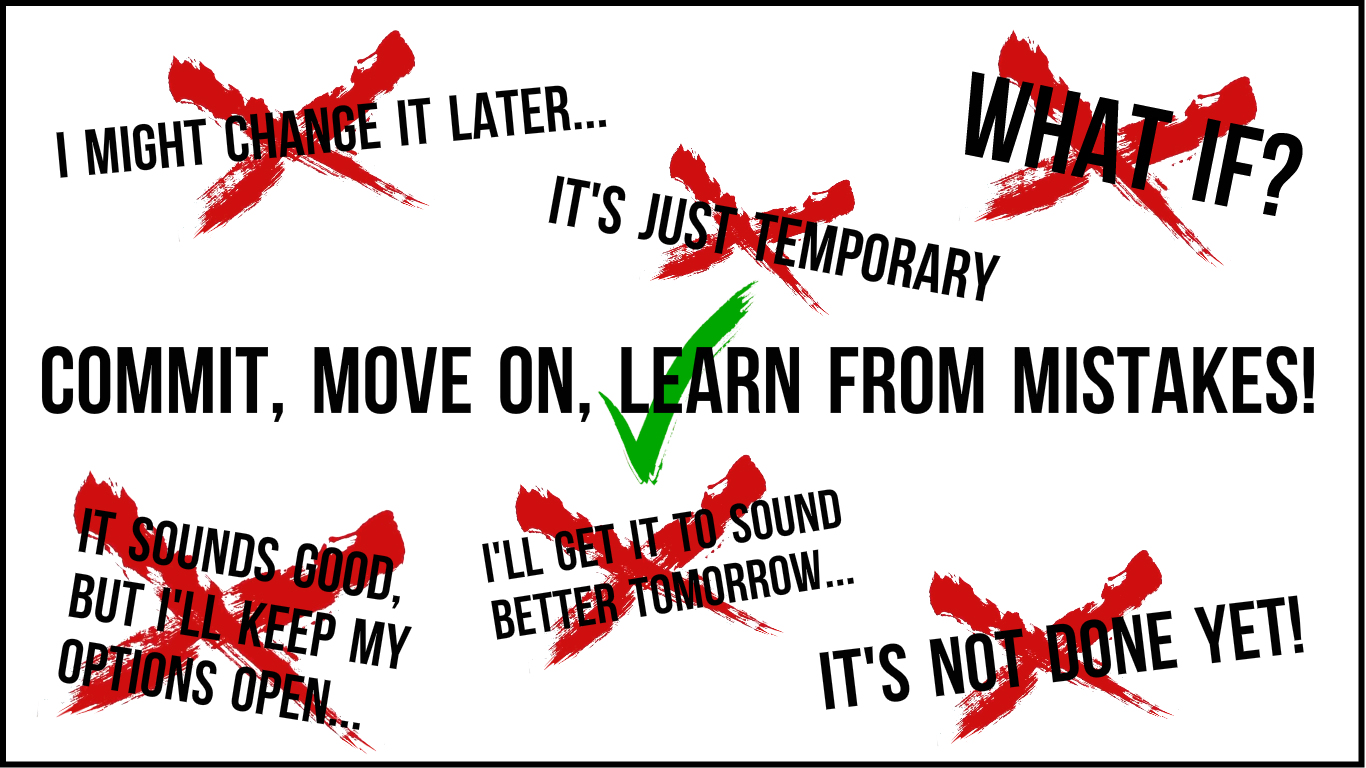
Making open-ended decisions at every step of the music production process is a surefire way of slowing down your progress and preventing yourself from ever getting anything done.

Ask yourself this:

Do you think a top-dog engineer like Chris Lord Alge would be able to churn out multiple mixes every single day if he was doubting every decision and repeating his moves over-and-over again in search of negligible improvements? – PROBABLY NOT…

NOTE: Check out my “Learn From The Legends” Blog series for an in-depth breakdown of some brilliant workflow tips from the mind of CLA himself.

https://urm.academy/learn-from-the-legends-volume-1-chris-lord-alge/

Here are a few pieces of advice on how to deal with the moments of indecision and insecurity that might occur during your music production process:

  • Render/Print any open-ended source tones the moment you’re happy with them: This is crucial in order to prevent any “what if” urges from rearing their ugly heads further down the line. (This includes things like amp sims, impulse responses, drum samples etc.)
  • Recording a backup DI alongside your “real” amp tone shouldn’t be seen as a default “fix the tone later” safety net; Sure, recording a DI is always good practice, but what’s the point in spending hours dialing in a tone and placing microphones in the room if you’re just gonna throw it all away in favour of amp sims or re-amping at the first chance you get…
  • Bounce similar sounds down to manageable stereo stems and reduce your overall channel-count: CLA often talks about how he likes to combine similar elements down to single stems in order fit the hundreds of channels he receives per project across his 48 channel SSL setup for easy access.
Tip #3 – Process Your Groups & Move Forward Quickly!

3 Use Groups

Ever find that you’re applying similar processing to multiple elements within the same mix? Why not kill 2 (or more) birds with one stone by bussing them together and treating them as one?!?

An incredible example of this kind of workflow is last month’s Meshuggah Nail The Mix with Tue Madsen: Rather than obsessing over each and every guitar track one-by-one, Tue simply treats the entire guitar buss as a single sound, resulting in a huge wall of guitars.

Check out the video here:

https://www.youtube.com/watch?v=9Xte6sUXjn0


The exact same concept can even be applied across an entire mix if desired. This method of working is often called “Top-Down Mixing”:

What is “Top-Down Mixing?

Guys like Chris Lord Alge, Andrew Scheps and Adam “Nolly” Getgood are known for instantiating some fairly drastic EQ on their master busses at the very beginning of their mixes.

These moves often take the shape of broad high and low-end boosts in order to brighten and fatten all of the raw elements within the mix from the get-go and in return, speed up the process of getting them to commercial levels of “polished”.

NOTE: Here’s a concise video demonstration of “Top-Down Mixing” in order to give you a few basic ideas on where to get started:

https://www.youtube.com/watch?v=Wxj9vZQ_53k

A typical Top-Down mixing chain might look something a bit like this:
  • Saturation: Using some kind of tape or console emulation and driving the input subtly can do wonders towards gluing your mix together and giving it some added liveliness.
  • Additive EQ: The most common tool for this purpose is a broad and gentle “Pultec” style equaliser which boosts everything below 100Hz and above 5kHz.
  • Buss Compression: Mixing into a few dB of compression from the get-go can help reduce the amount of time it takes to produce a tight and punchy mix. A lot of people like the sound of an SSL type buss compressor with a slow attack and fast release for this application.
  • Limiting: As dangerous as it may sound, mixing through some subtle peak limiting from the get-go can give you a better idea of what your drums and transient elements will end up sounding like post-mastering.

It often takes a few tries and revisions to settle on a “Top-Down” setup that really does the trick for your specific work setup. Don’t be afraid to try out new ideas and switch things around until you finally land on a magic combination that seems to makes your life easier.

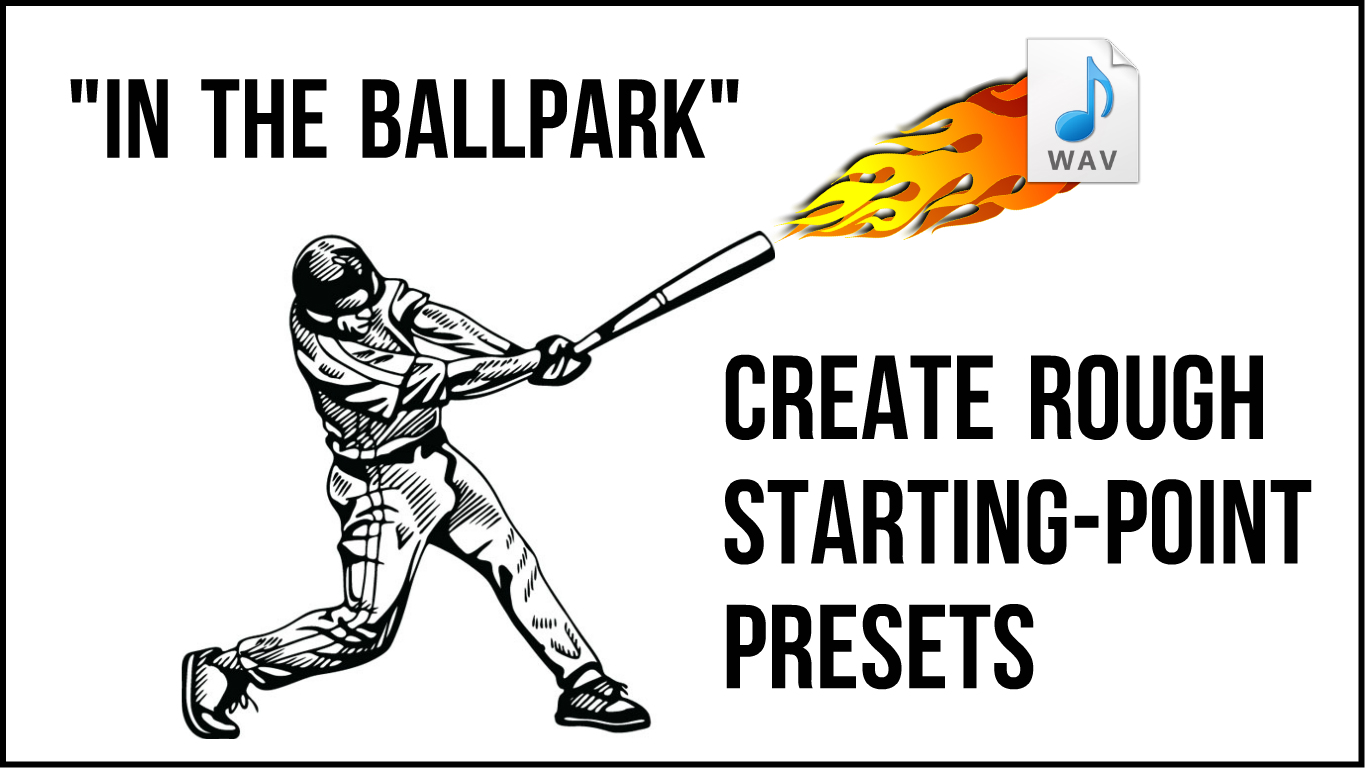
Tip #4 – Create “Ballpark” Plugin Presets & FX Chains

4 In the Ballpark presets

Do you have certain “go-to” plugin settings that more-or-less end up on every single one of your mixing projects? Why not set them as your plugin defaults and save time otherwise spent dialing them in several times per-day…?

FACT: Certain elements within a mix will call for a similar kind of treatment almost every time regardless of genre. Ex: Snare and Kick will need a scoop in the mids, vocals will need brightening etc. etc…

Given this information, why not save yourself some future hassle and come up with default plugin presets that will get you a significant deal closer to your desired end sounds from the moment you insert them on the channel?

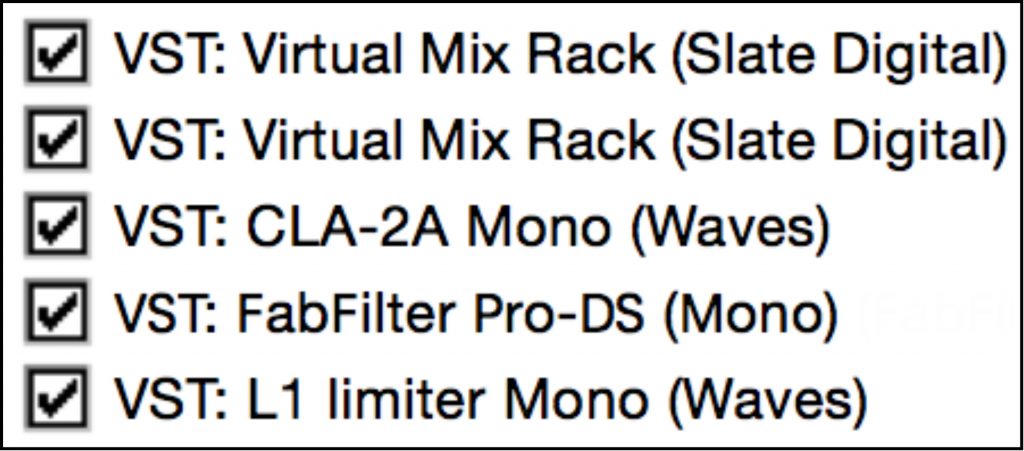
Here’s an example in the shape of the initial vocal FX chain I like to start with in each one of my mixes:

My Overall Initial Vocal Plugin Chain:

5 The Plugin Chain

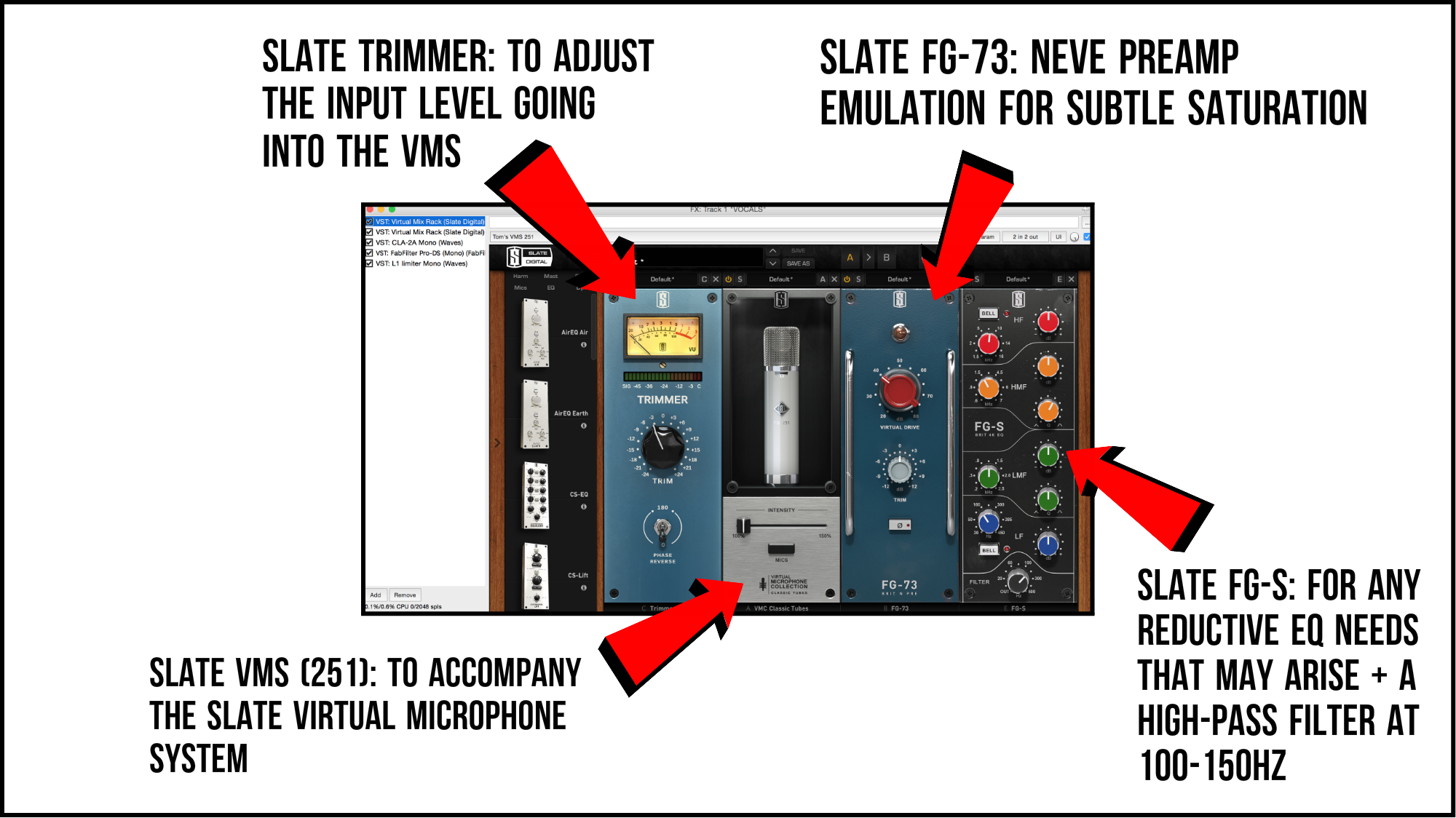
1st Plugin: Slate VMR (Trimmer, VMS, FG-73, FG-s)

6 Plugin 1

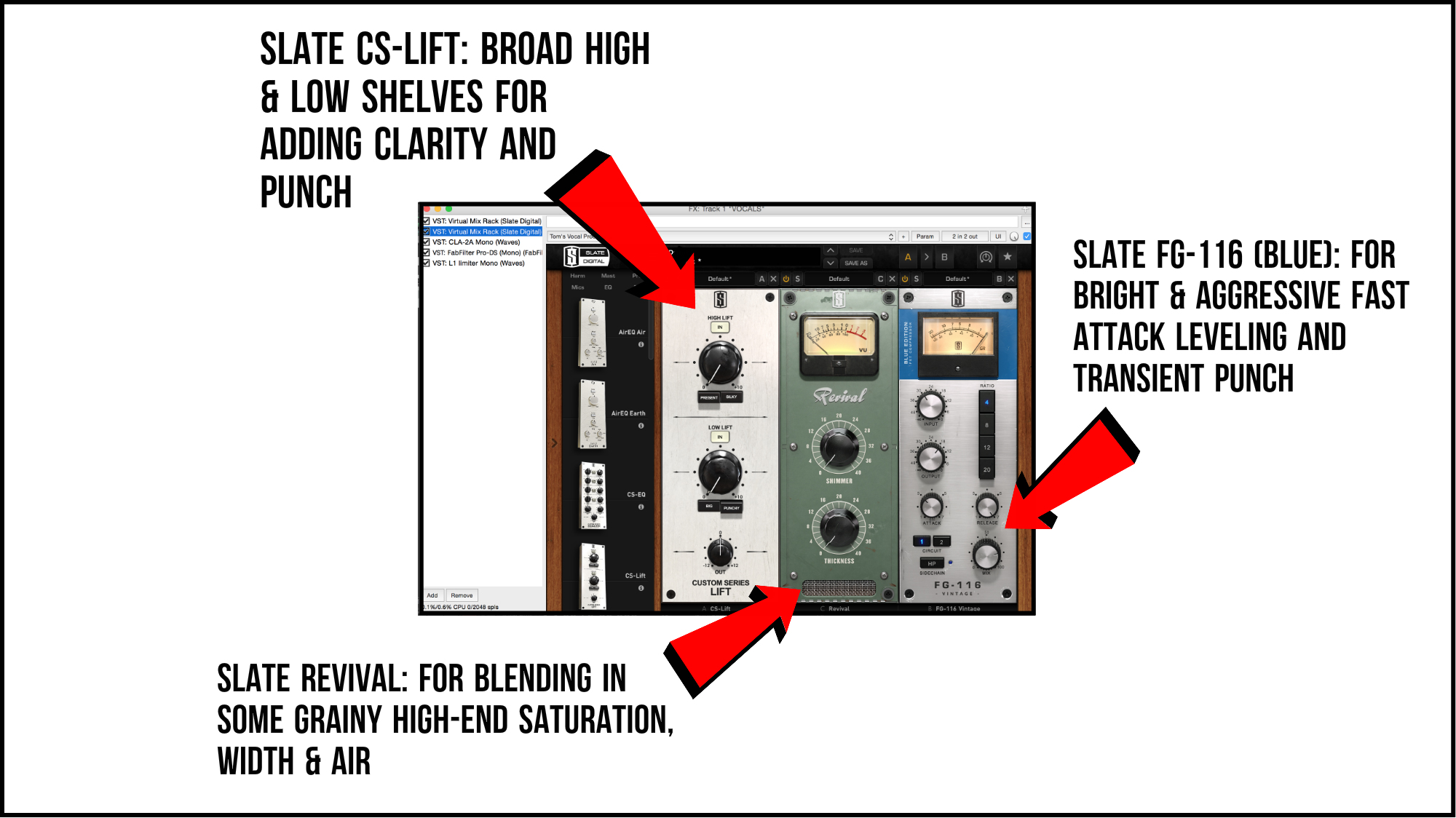
2nd Plugin: Slate VMR (CS-Lift, Revival, FG-116 Vintage)

7 Plugin 2

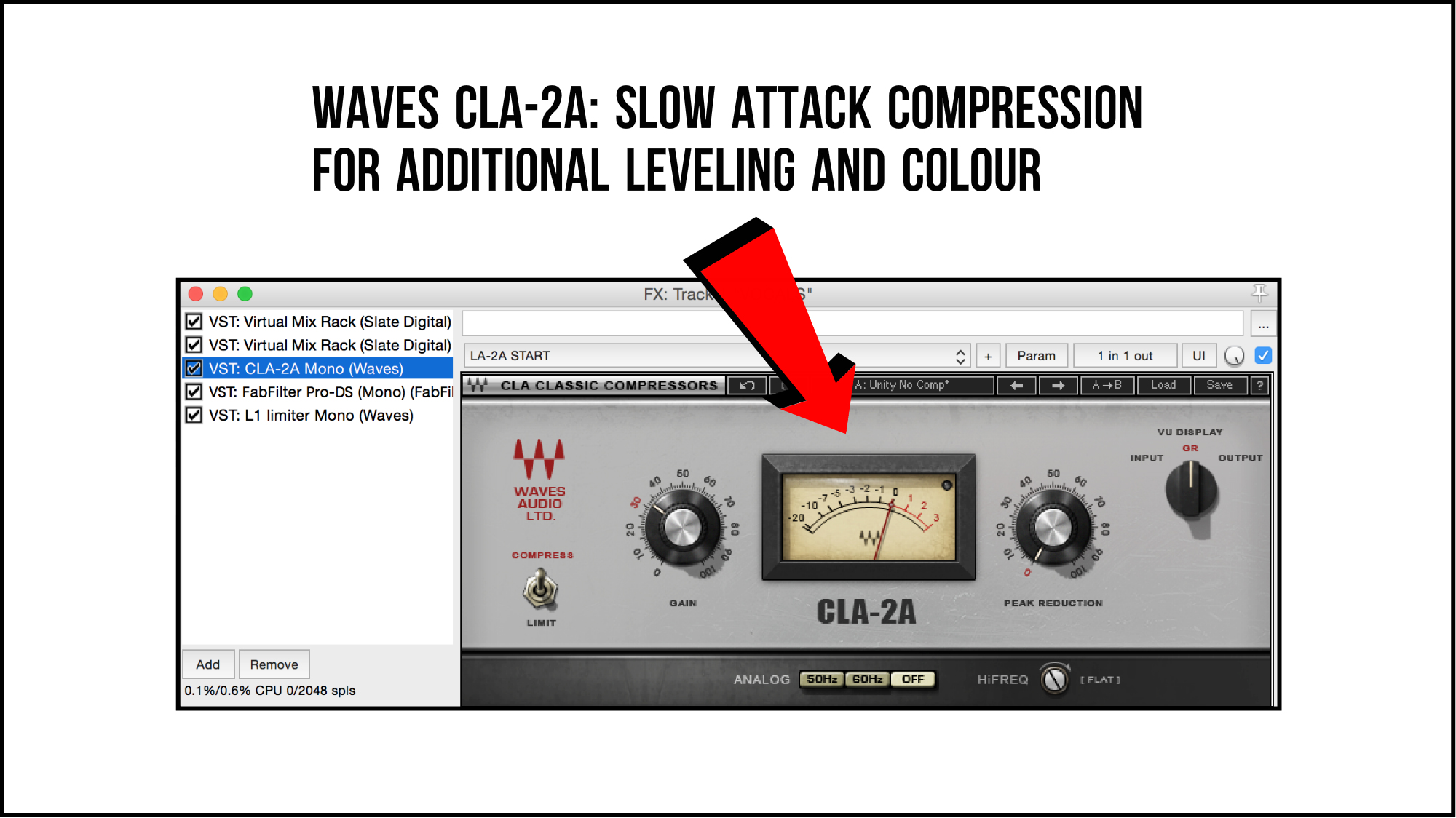
3rd Plugin: Waves CLA-2A

8 Plugin 3

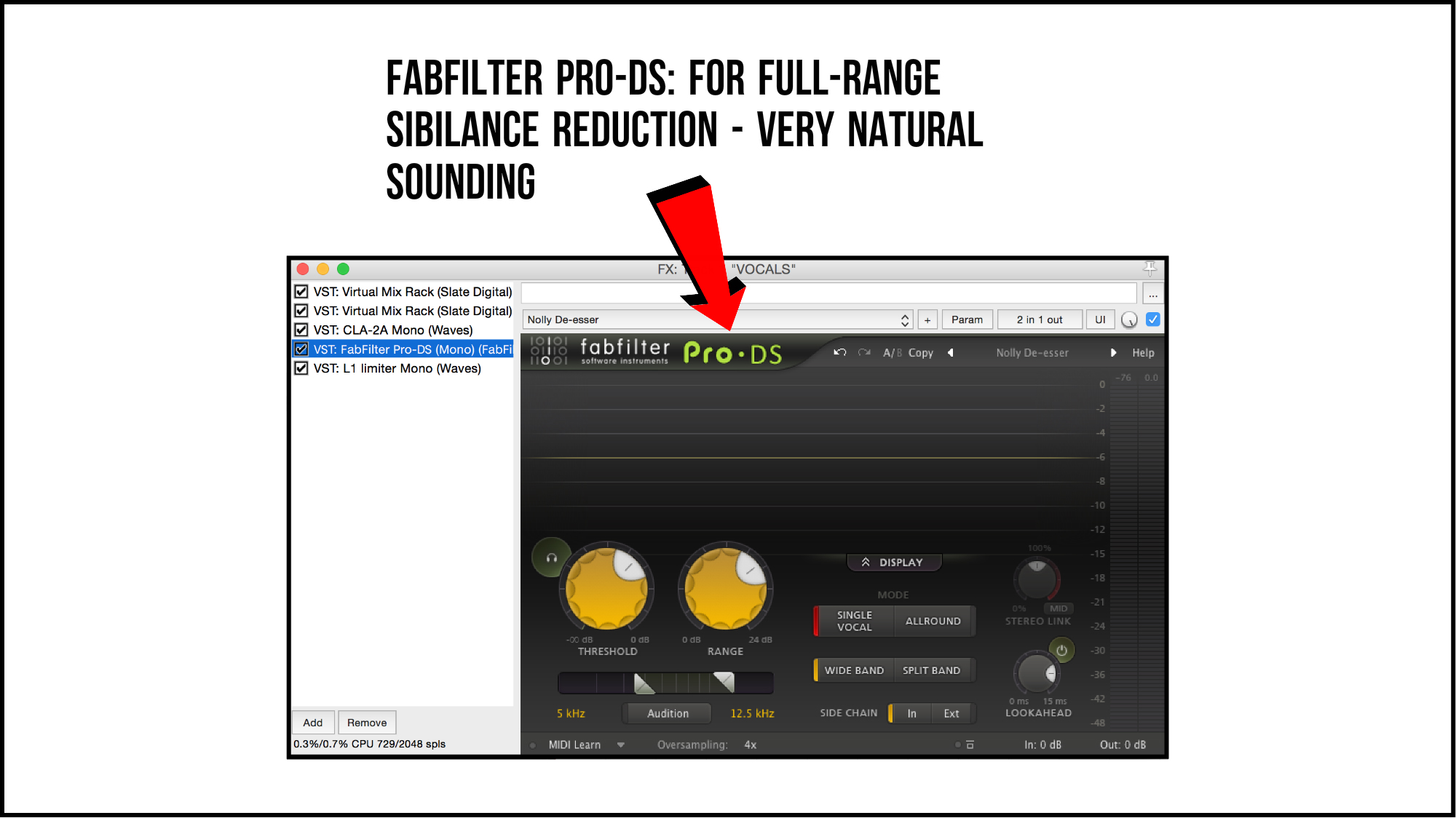
4th Plugin: FabFilter Pro-DS

9 Plugin 4

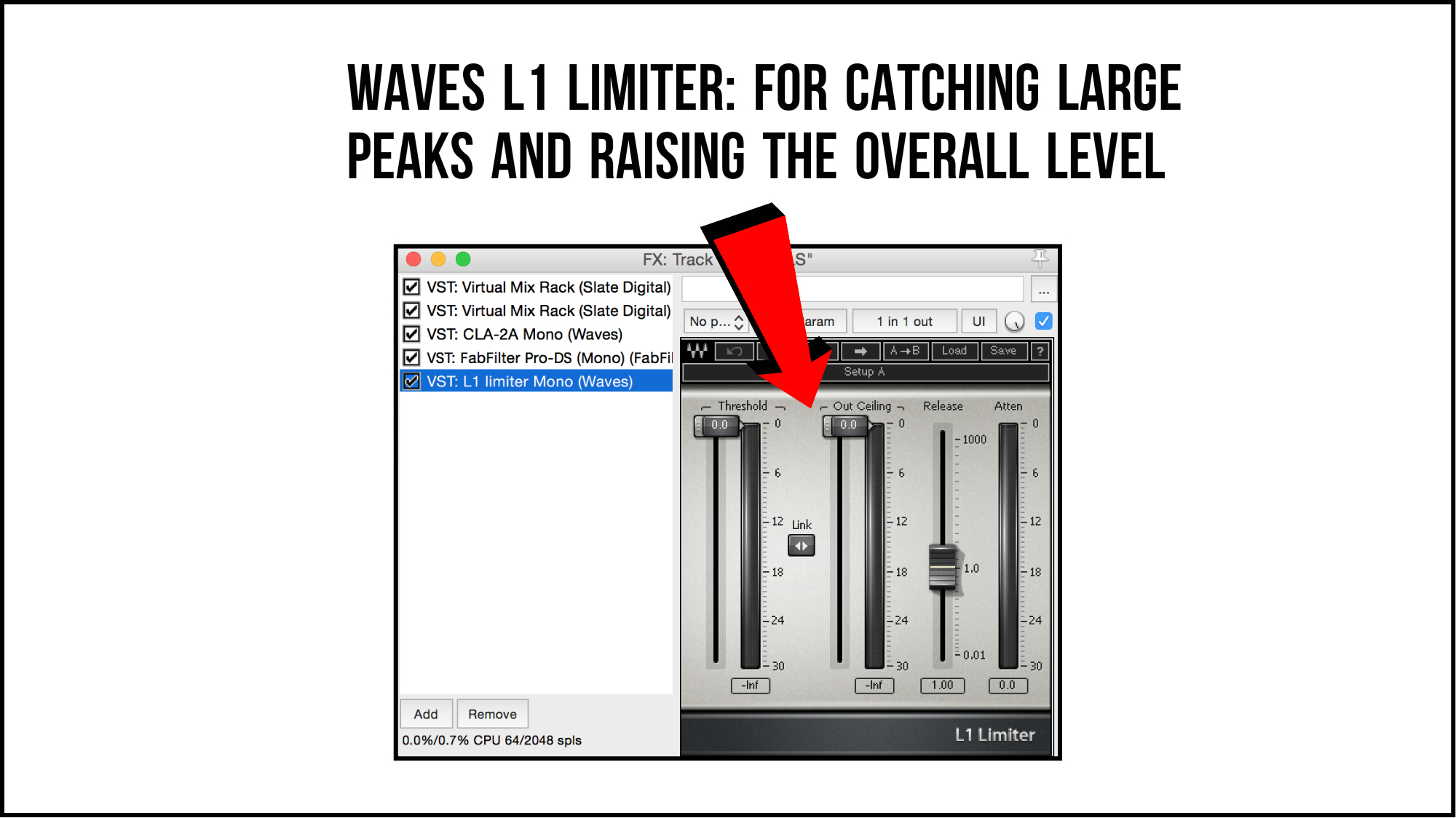
5th Plugin: Waves L1 Limiter

10 Plugin 5

As you can tell from the sheer amount going on in the images above, dialing in all of these initial vocal channel settings from scratch would take a fair bit of time. By saving this entire chain as a default preset, all it takes is few clicks at the start of each session and I’m ready to get started on my Vocal mixing process.

Tip #5 – CONCLUSION: Learn About Workflow From The Greats!

11 Learn From Greats

Ever started watching through a mixing tutorial or reading through a mixing related book… Only to skip past the workflow related sections in order to get to the “good part”?

I know I have… But it’s not always justified!

Let’s take Nail The Mix as an example: As boring as the basics may seem to a beginner, taking the time to study the way that professionals like our URM overlords Joey Sturgis, Eyal Levi and Joel Wanasek like to approach the process of setting-up their sessions can actually have a greater impact on your growth as an engineer than just copying the EQ and Compression settings they’re using…

After all, It’s not a coincidence that many superstar producers and mixers prefer to talk about workflow rather than specific mixing settings in interviews and tutorials…

All of this being said, if you take a single piece of advice from this article then let it be this:

Don’t let your “I know all of that stuff already!” attitude and mixer’s pride get in the way of your improvement! There’s always something new and beneficial to be picked up from studying how the professionals like to go about their work process!


Final Words:

This concludes “5 Tips To Super-Charge Your Mixing Workflow.” I hope that this article has given you some new ideas to try out during your next project. Be sure to comment below if any of this information has helped you out, or if you have any questions.

Stay tuned for more production/mixing related articles in the not-so-distant future!


Want mix tips from URM Academy? Read them here!

Nail The MixNail The Mix is our online mixing school that gives you REAL multi-tracks from REAL bands, plus a mixing class from the producer who recorded it. Past guests include Periphery, Chelsea Grin, Machine Head and State Champs. Join now for instant access!
 

7 Questions With Kurt Ballou

Kurt Ballou (Converge, GodCity Studios) is a musician and producer that need no introduction to fans of heavy music. There are precious few individuals out there that approach similar levels of raw brutality and emotion in their productions.

Kurt Ballou photo by Jimmy HubbardPhoto: Jimmy Hubbard

If you can give one piece of advice for upcoming engineers what would it be?

Always listen with your heart. Don’t ever feel constrained to use a certain piece of gear or certain technique. You’ll never get something to sound exactly like what you wanted it to sound like, but if you listen with your heart, and make good decisions based on that, you can make a record that feels like it is supposed to.

Kurt Ballou photo by Aaron Jones 1Photo: Aaron Jones

What would you say is the one thing that has motivated you to keep going in your career?

If I’m not doing something creative regularly, I feel like a piece of shit.

Amps or sims?

Amps are more fun, look cooler, and have more individualistic quirks. Plus, I need to justify my investment in amps, cabs, mics, sound proofing, etc. somehow, right?

Kurt Ballou photo by Aaron Jones 2Photo: Aaron Jones

What is the most important lesson you’ve learned in your career?

If there’s some sort of tension in the studio or with the label, keep it classy and take the high ground. Behave how you would want to be treated if the shoe were on the other foot.

What are your top five go to gear choices?

Heil PR-30

Tonelux TXC
Tube-Tech SMC-2B
Fab Filter Pro-Q2
Soundtoys Radiator
Kurt Ballou photo by Aaron Jones 3
Photo: Aaron Jones
If you could change anything about the world what would it be?

No hate. No war. Tax religion. Tax the rich. Stop making so many stupid babies.

What record still mystifies you and why?
Deep Purple – In Rock. How the hell did Richie Blackmore get those guitar tones?

For more awesome tips on becoming a better producer, head on over to the URM Academy blog and subscribe to our podcast.

Listen to episode 18 of the URM Podcast with Kurt Ballou HERE

Nail The MixNail The Mix is our online mixing school that gives you REAL multi-tracks from REAL bands, plus a mixing class from the producer who recorded it. Past guests include Periphery, Chelsea Grin, Machine Head and State Champs. Join now for instant access!