Introduction To The Series:
Learning How To Learn is one of the most crucial steps you can take towards becoming great at pretty much anything – And what better place to learn than from the minds of people who have actually been doing the job successfully for years?
In this ongoing series of Blogs, we’ll explore the valuable words of wisdom bestowed upon us by some of the most sought after names in the recording studio business, and discover how you can apply this advice to your own situation.
This week, we’re studying the studio wisdom of a man whose mixes have influenced and shaped an entire generation of young music lovers: Andy Wallace.
NOTE: If you’re hoping to find some “secret mix settings” or “magic formulas” in this article then you might as well leave now… I can guarantee you that the real secrets behind each of these engineers’ success are their ears and personal tastes.
Remember:
Following the practical “workflow and decision-making” advice these guys have to offer from years of experience in the business is far more valuable than trying to copy the settings they’ve used for specific songs!
VOLUME 3: ANDY WALLACE
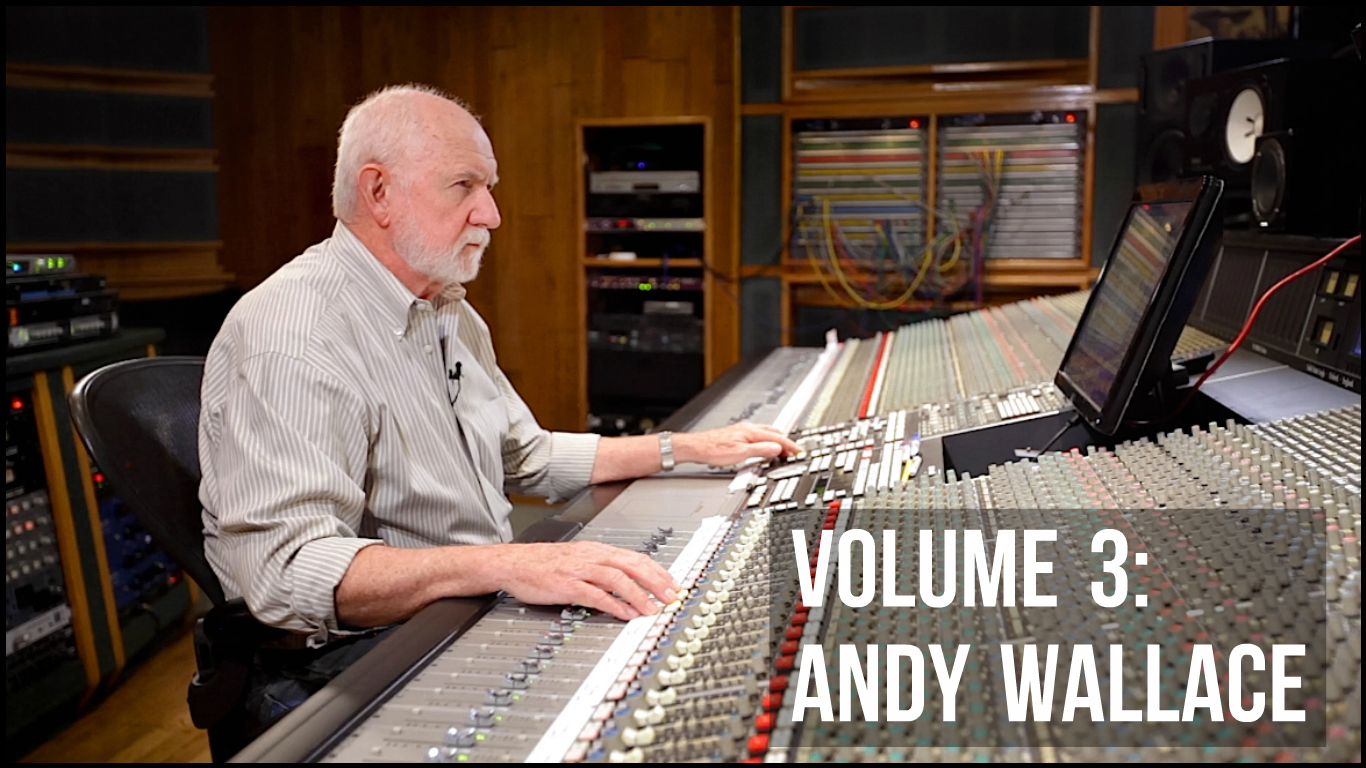
Who Is Andy Wallace?
Andy Wallace is an American producer & mixing engineer who helped shape the sound of several groundbreaking albums from the 90’s and early 2000’s such as Nirvana’s “Nevermind” and Linkin Park’s “Hybrid Theory”.
Some of the artists he’s worked with include:
Linkin Park
Nirvana
Avenged Sevenfold
Ghost BC
Biffy Clyro
Coheed And Cambria
System Of A Down
Coldplay
AND MANY MORE…
Now that you know exactly who you’re dealing with, let’s cut straight to the chase:
Here Are 5 Pieces of Stellar Audio Advice From Andy Wallace:
1 – INDECISION IS THE KILLER OF PROGRESS
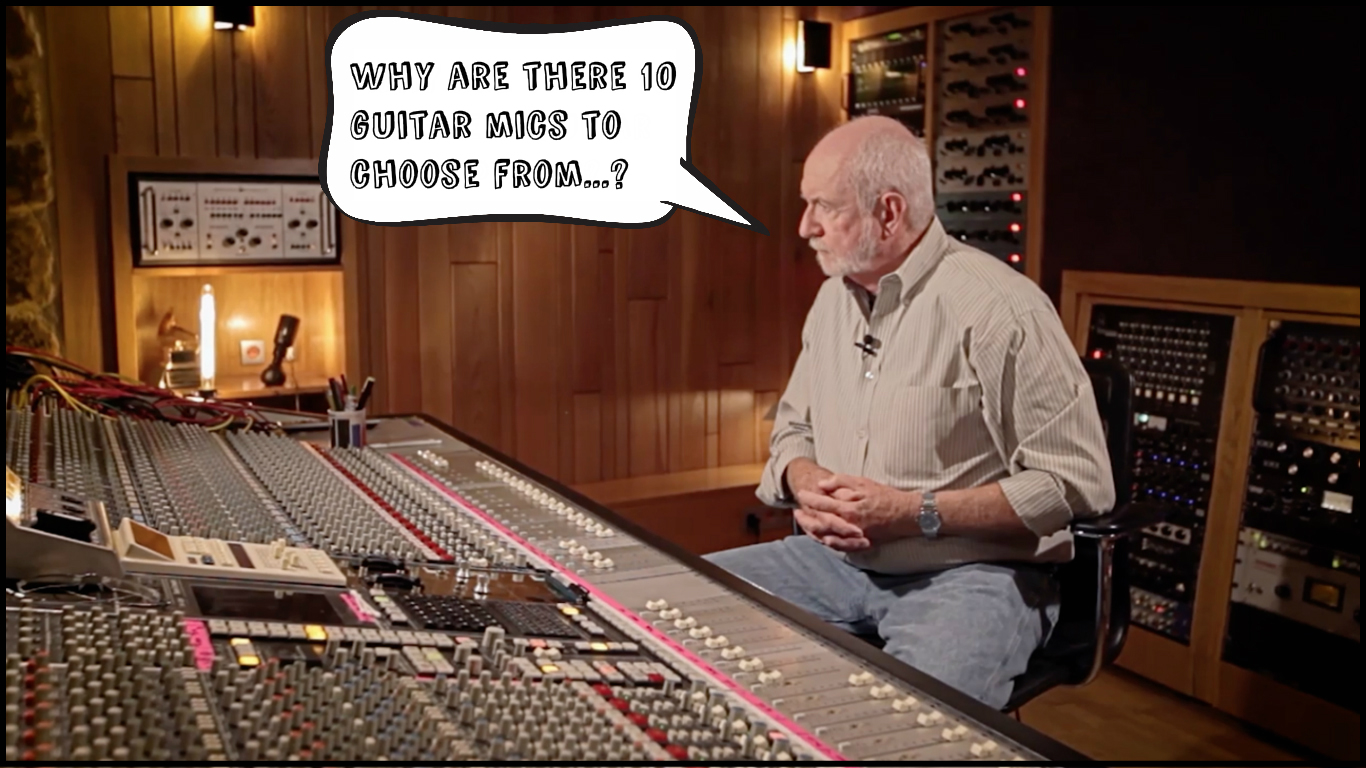
“When I get a project that’s full of unmade decisions it slows me down, because I have to put my producer hat on and sort out these decisions. I prefer for the recording engineer and producer to decide on the sound for a guitar, but instead, many of them like to keep their options open because they’re looking for perfection. You can always change a mix and not make it worse, but do the changes improve it? In my experience, a mix rarely gets better with endless changes and recalls. For me, a mix is about trying to find something that works and that makes the hairs on the back of my neck stand up, and believing in that. If you are rethinking and second-guessing yourself all the time then you risk losing that feeling.” – Andy Wallace
Follow your initial instincts, make decisions based on them, live with the results.
- Are you wondering how Andy is able to mix a chart-topping metal masterpiece in a single day while it takes you weeks or even months to finish a song? Here’s the answer: He’s committing to his initial gut feelings and not spending a second longer than necessary on irrelevant details that won’t make an ounce of difference towards the impact the final song will have on a listener!
- When reflecting back on the mistakes I made throughout my first few years of music production, the one that always sticks out to me as the worst is the never-ending, obsessive pursuit of “perfection”.
- Having this “self-defeating” approach towards making music meant that I was doubting my every decision, repeating the same things over and over again in search of an %0.1 improvement, and never getting anything done as a result.
“The definition of insanity is doing the same thing over and over again and expecting different results.” – Albert Einstein
- Striving for greatness and setting high-standards is one thing, but if you’re taking these mentalities to the point of total stagnation and mental duress then what’s the point?
- It’s impossible to improve and grow in any skill unless you’re willing to make several mistakes and learn a lesson from each one as you progress. If you over-value your pride and waste away your valuable formative years as an engineer living in fear of making mistakes, then all you’re doing is delaying potential opportunities which could lead to success.
NOTE: The fact that all three of the A-Class engineers we’ve discussed so far in this Blog series have hammered-home the importance of committing to recording & production decisions proves just how important of a role such a mindset plays in each of their workflows.
2 – ROUGH MIXES ARE GREAT, BUT DON’T LET THEM LIMIT YOU!

“I’ll reference the rough initially, but at some point I will end up flying on my own, because when you’re making decisions just based on somebody else’s mix it can be self-defeating. There’s this syndrome that if you listen to something often enough, it will start to sound right. That’s the magic of many old ’50s records, which weren’t necessarily balanced well, but because you’ve heard them so often and because they contain great songs and great performances, they’ve come to sound right. I try to avoid that.” – Andy Wallace
You Do You!
- As invaluable as it may be to have a rough mix or reference track to compare your work to during the initial stages of a mix, it can also do more harm than good if put on too high of a pedestal.
- If you’re always sticking to the limitations and guidelines set by your comparisons too closely, you’ll just end up trying to mimic somebody else’s sound rather than working towards creating your own unique and recognisable sound.
- The music industry doesn’t need more Andy Wallace, CLA or Joey Sturgis imitators as long as they have the real thing! What it does need, however, is fresh, interesting, and previously unheard sounds that will catch listener’s ears and take the world by storm.
- Ultimately, it’s important to make sure you’re giving your clients what they’re after, but don’t let that hold you back from expressing your creativity and leaving a signature piece of “you” in each one of your mixes.
3 – A SIMPLE WORKFLOW IS OFTEN THE BEST WORKFLOW
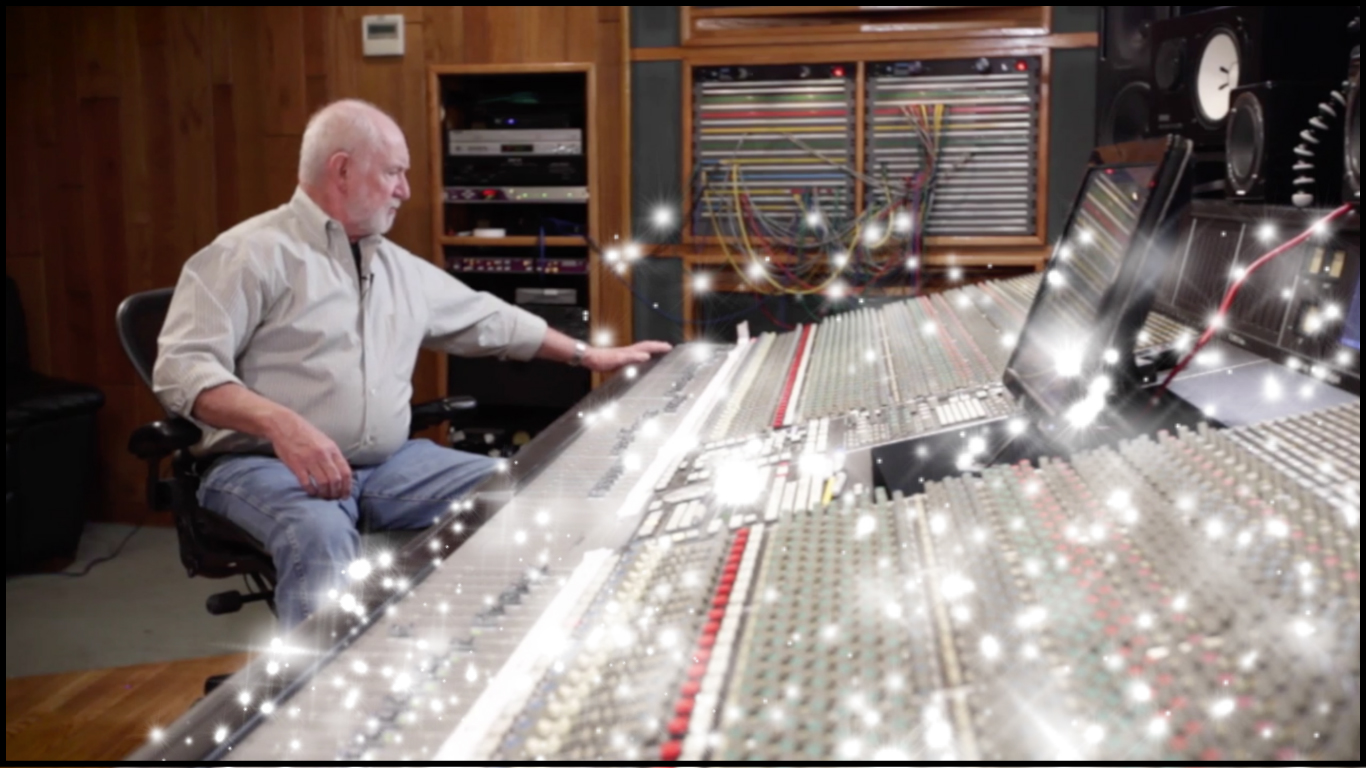
“I am not shy of using EQ, and it’s almost always board EQ, though I will occasionally use an outboard EQ, or an EQ in Pro Tools when I don’t want to split out to another module. I’m also quite happy to use the SSL compressor. I’ve found over the years that I use less and less outboard gear for mixing. It seems that the SSL can give me what I need.” – Andy Wallace
Do you really need a huge processing chain on that Tambourine track?!?
- One of the often-negative side effects of being in a tech-driven profession such as audio engineering is the infatuation with gear that tends to come along with it. The fact that we like to amass huge amounts of hardware and pay far too much attention to price tags means that we’re often tempted to over-do things just for the sake of grandeur and “ego appeasement”.
NOTE: I’m not saying that buying gear or plugins is wrong by any means! I’m just saying that it’s easy to get caught up in a bad case of G.A.S. (gear acquisition syndrome) which over-glorifies equipment and often leads to poor decision-making. Check out my “Buy Smart: A Guide To Buying Gear” URM Blog for an in depth explanation of this subject and some important tips on making better purchases:
https://urm.academy/buy-smart-a-guide-to-buying-gear/
- People love to study images of a famous engineer’s mixing room or take a tiny portion of a single quote and proceed to make generalised statements about their entire mixing process based on vague assumptions.
- Just because somebody you look up to owns a certain piece of audio equipment or plugin doesn’t mean they always use it for the exact same purpose across every single mix they work on… Even more importantly… I’ll wager that the gear itself doesn’t play anywhere near as significant of a role as you think it does towards shaping said engineer’s unique sound.
- Don’t just take Andy Wallace’s or my word for it: Watch through any of the previous Nail The Mix live events and you’ll be surprised at how “to-the-point” and unconvoluted some of the processing each of these mixing legends are using really is compared to how elaborate and complex you assume it may be.
NOTE: Funnily enough, almost all of these guys use a single, solitary SSL channelstrip plugin for certain tasks and not much else. Small world eh?
NOTE #2: In the case of Andy Wallace, I’d highly recommend checking out his “Mix With The Masters – Deconstructing A Mix” series if you want an insider’s look at his entire mixing workflow. It’s rather expensive, but full of truly eye-opening insight into the straight-forward simplicity of his process:
https://www.mixwiththemasters.com/videos/series/301/6273
4 – DON’T DRENCH THE MIX FROM THE GET-GO
“When I came up in the 1970s, all studios had very dry rooms, because in those days the idea was to just pad everything. There was something cool about that, and I still like that dry sound. One thing is that it gives you a lot of clarity; it’s an easy way of getting definition. But it is also like a woman wearing no makeup, she has to look pretty good as she is! It puts on more pressure to make sure the dry sounds are right.
When I start putting a mix together I’ll usually go for that dry sound, because I’m trying to get it to sound like it’s hitting me in the chest and punching me. I may use gates to make things like the drums sound really dry. Later on, during the stage when I’m working with the automation, I will fill out all the ambiences and reverbs and echoes and whatever, until the mix feels right to me. – Andy Wallace
Here are a few reasons why you might want to hold-off on your ambient FX “ear-candy” until later on in the process:
- Soaking everything in reverb – It’s a cheap way of hiding the musical and technical problems within a mix, while also making your final product sound like a bad throwback to the 80s in the process.
- Don’t get me wrong, reverb is one of the most powerful tools at an engineer’s disposal. When used in good taste, it can help transform an otherwise flat and lifeless mix into an immersive and layered listening experience full of depth and contrast.
- Although your drums and vocals might sound significantly more polished and mixed from the moment you send them through a hall or plate, there’s a good chance that they’d sound even better if you got them to sound half-decent before applying these types of FX.
- The next time you open up a new project and start mixing, try and stick to the bare basics of Balancing, Panning, EQ, Compression and Gating until each element is impressive enough to stand it’s own ground without having to rely on FX or studio trickery.
- Once you’ve reached a point where your mix is strong enough in its dry form, you can then start polish it even further via the use of reverb, delay and any other cool tricks you’d otherwise tend to rely on from the very beginning of the process.
5 – CONCLUSION: YOU WON’T ALWAYS BE THE RIGHT GUY FOR THE JOB!
“It’s difficult for me when I have a mix that I know is sounding good and the artist and the producer, or whoever is appropriate, starts getting too involved in little things that really don’t make a big difference; they’re not making a better mix out of it, they’re just changing things. I don’t mind that to a point, but if it gets almost endless — you know, where they just can’t let go and need to keep changing things — then I feel like I’m just doing damage control, trying to keep the thing from eroding.
Sometimes that’ll happen. They’ll ask me, “What do you think?” and I’ll say, “I liked the way it was when I played it for you; otherwise, I wouldn’t have played it.” Is it possible to make some changes to it without my hating it? Sure. Are any of the changes you’re making, in my estimation, making it any better? No. And, collectively, when you keep doing it, sooner or later we’re going to get past where we are. So that’s always difficult when I get into a situation like that where it’s getting overboard.” – Andy Wallace
“I’ve also had a kind of a thing where it’s sort of like breaking up with a girlfriend or something like that — where, after getting into a project for a couple of mixes, you realize that you’re not the right guy for the job and that you’re not giving the artist what they want. I may not agree with what they want, but it’s their record… Usually, it’s something where they want it to sound real garage-y or super-muddy. I can certainly get something to sound garage-y, but I can still make it have definition and such. That’s just a matter of ambience, not a matter of clarity, you know? But that’s happened a few times. It’s usually mutually felt by all of us that we’re not nailing it.” – Andy Wallace
You win some, you lose some…
- The simple truth about any creative outlet which involves an element of taste or preference is that your personal vision for a project won’t always align with that of the people you choose to collaborate with. Mixing is no exception to this dilemma and therefore often the main reasons why an artist or label will choose a specific person for the job in the first place.
- Although certain cases of artistic difference can be resolved through something as simple as a few minor compromises on each end, it’s not uncommon for a project to require a vastly different approach by a different engineer entirely.
- Knowing your own strengths, weaknesses and unique-selling-points as an engineer, alongside knowing when to turn down a particular project that might be better suited to somebody else can go a long way towards saving yourself from a great deal of frustration, wasted time, and even potential embarrassment in certain cases.
Final Words:
This concludes “Learn From The Legends – Volume 3: Andy Wallace.” I hope that this article has given you some new ideas to try out during your next project. Be sure to comment below if any of this information has helped you out, or if you have any questions.
Stay tuned for more production/mixing related articles in the not-so-distant future!
Read Learn From The Legends – Volume 1: Chris Lord-Alge here!
Read Learn From The Legends – Volume 2: Randy Staub here!
Want mix tips from URM Academy? Read them here!
 Nail The Mix is our online mixing school that gives you REAL multi-tracks from REAL bands, plus a mixing class from the producer who recorded it. Past guests include Periphery, Chelsea Grin, Machine Head and State Champs. Join now for instant access!