Finn McKenty, Author at Unstoppable Recording Machine - Page 50 of 51

MIKE MOWERY: The 3 Pillars of Success, Mastering Social Media, Why You Don’t Need a Manager

Mike Mowery is a veteran band manager and the president/managing partner of Outer Loop Management and Outer Loop Records. He’s spent his career guiding developing artists through the modern music industry, working with bands across the heavy music spectrum.

In This Episode

Manager Mike Mowery drops by to cut through the noise about what it really takes to build a career in music. He breaks down the three pillars for success: great songs, solid branding, and treating your band like a business from day one. Mike gets into the nitty-gritty of building an effective social media presence, emphasizing the “great content done consistently over time” mantra over just spamming your followers. He shares some real talk about why you shouldn’t obsess over getting a manager or a label deal right away, and why the grind of playing shows and networking with other bands is non-negotiable. For all you producers out there, he also offers some solid advice on networking, when to think about getting your own management, and why the best way to get noticed is simply to do killer work that speaks for itself.

Timestamps

  • [1:18] The three fundamental things artists should focus on
  • [4:04] The importance of branding for developing artists
  • [5:24] Why Limp Bizkit is the perfect example of a terrible band name that worked
  • [7:44] The right and wrong ways to use social media
  • [10:44] Mike’s social media mantra: “Great content done consistently over time”
  • [12:25] Using photo/video content to create FOMO for your live show
  • [15:15] The truth about Facebook’s algorithm and why you need to learn it
  • [18:42] Why Instagram is so massive for bands
  • [21:28] Should you worry about getting a manager and agent right away?
  • [22:25] Why it takes about 100 shows to actually get good live
  • [23:21] The debate: playing your local market constantly vs. avoiding oversaturation
  • [28:27] The power of networking (and how it can get you on a Slayer tour)
  • [30:16] How producers and engineers should approach networking
  • [33:54] You have to get out there and fail to learn
  • [36:17] Are sponsored posts on social media worth the money?
  • [40:30] When does a producer actually need a manager?
  • [48:04] The best way to get in touch with industry professionals (and what not to do)
  • [55:37] You can’t speed up time: why there are no shortcuts
  • [56:30] The importance of enjoying the process and the journey
  • [58:27] Celebrating the small accomplishments along the way

Johnny Minardi: Signing Panic! At The Disco, the secrets of A&R, and producer management

Johnny Minardi is a longtime A&R rep and producer manager who got his start running a label from his bedroom, working with bands like The Academy Is… and Gatsby’s American Dream. He later spent eight years at Fueled By Ramen during their heyday with Fall Out Boy, Panic! At The Disco, and Paramore. After leaving the label world to start his own producer management company, Self-Titled Management, he’s now back in the A&R game with Equal Vision Records and is launching Noise Creators, a curated marketplace to connect bands with producers.

In This Episode

A&R vet and producer manager Johnny Minardi joins the show for a deep dive into the business side of the industry. He breaks down what an A&R rep actually does in the modern era and offers his perspective on the rise of collaborative songwriting and how bands use (and misuse) platforms like YouTube. Johnny gives some killer advice for producers on when it’s time to get a manager, what a good manager actually does for your career (hint: it’s more than just booking gigs), and how to avoid the bad ones. He also shares the mission behind his new platform, Noise Creators, which aims to be a curated hub for connecting bands with the right producers. To top it off, he shares the insane story of how Panic! At The Disco got signed off of just two rough demos from a message board, proving that at the end of the day, a great song is still the most powerful tool you have.

Timestamps

  • [0:54] Johnny’s career path and managing producers
  • [2:57] What does an A&R person *really* do?
  • [4:05] How A&R has changed over the last 15 years
  • [6:22] The pros and cons of collaborative songwriting
  • [9:32] Why using YouTube covers to build a following can be boring
  • [11:30] The single most important piece of advice for a new band
  • [12:17] Reverse engineering your favorite bands’ success
  • [15:28] How Johnny finds new talent in a saturated market
  • [17:38] The role of a producer manager
  • [19:05] Why producers need managers (negotiations, missed opportunities)
  • [21:36] When is the right time for a producer to get a manager?
  • [24:49] How to find and vet a good manager
  • [26:21] The mission behind the Noise Creators platform
  • [27:42] The problem with getting proper credits on sites like AllMusic
  • [31:18] Should producers post their rates publicly?
  • [38:14] Why Noise Creators will be a curated platform
  • [39:44] The wild story of signing Panic! At The Disco
  • [42:11] Why getting signed makes things *harder*, not easier
  • [44:51] Advice for someone who wants to get into A&R

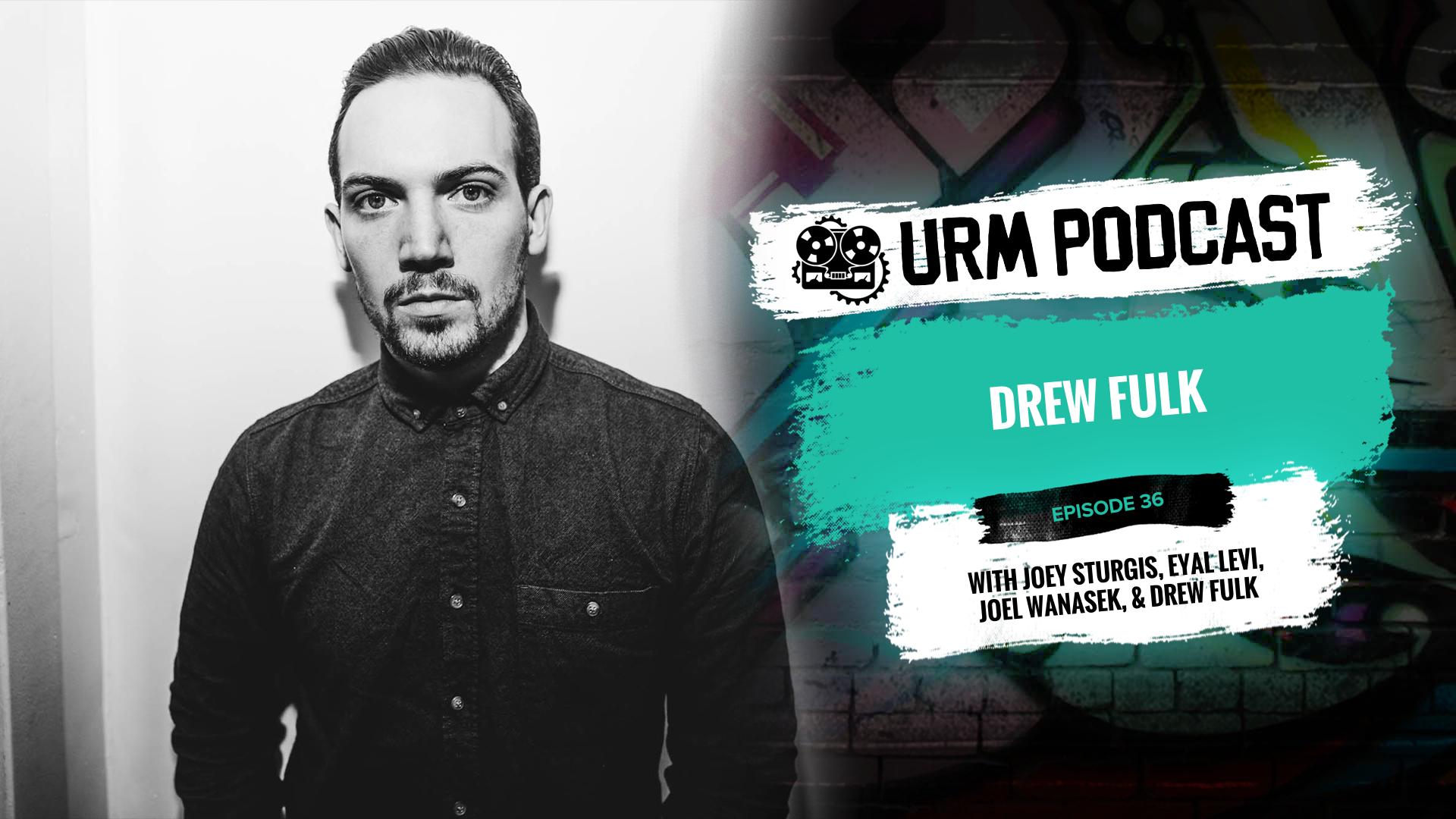
DREW FULK: The Business of Co-Writing, Getting a Publishing Deal, and Writing Hit Songs

Drew Fulk is a songwriter and producer who has become a go-to collaborator for some of the biggest bands in the modern metalcore and rock scene. He’s worked with artists like Motionless In White, Crown the Empire, We Came As Romans, Upon a Burning Body, and Blessthefall, and holds a publishing deal with Roadrunner Records’ publishing company, Robot of the Century.

In This Episode

Songwriter Drew Fulk (aka WZRD BLD) stops by to talk about the art and business of writing heavy music. He gets into how he broke into a scene that can be skeptical of outside writers and shares the story of how a chance meeting on a double date led to his publishing deal. Drew breaks down his creative process, from capturing melody ideas on his phone right before sleep to the importance of writing hundreds of bad songs to get to the good ones. He offers some killer, practical advice on navigating common songwriting hurdles, like crafting effective transitions, creating memorable endings without adding new parts, and knowing when to bend the “rules” of song structure. He also touches on collaborating with artists to enhance their vision, the importance of detaching from your ideas, and how co-writing splits are typically handled in the rock world. This is a super insightful look into the mind of a pro songwriter who is shaping the sound of modern rock.

Timestamps

  • [0:06:11] The long lead time between writing a song and its release
  • [0:07:42] Why co-writing is sometimes looked down upon in heavy music
  • [0:11:25] How Drew got started by writing hundreds of “terribly bad songs”
  • [0:14:54] The chance meeting with a Roadrunner A&R guy that led to his publishing deal
  • [0:19:26] The importance of a band knowing what makes them unique
  • [0:22:18] Drew’s process of capturing song ideas on his phone right before falling asleep
  • [0:26:56] Why bands must be willing to alter instrumentals to fit the vocal melody
  • [0:29:27] Using his own life experiences as lyrical inspiration for different artists
  • [0:31:20] Why transitions are one of the hardest—and most important—parts of a song
  • [0:32:17] Knowing when to break the “rules” of song structure (e.g., pushing a chorus back)
  • [0:34:54] A trick for creating song endings by layering previous vocal lines over the final chorus
  • [0:40:47] What makes a hit song?
  • [0:41:32] Dealing with writer’s block and how switching genres can help
  • [0:45:50] Getting unbiased feedback by playing a song for someone outside the industry
  • [0:47:48] Why being too attached to a song part can ruin a record
  • [0:56:32] The legal and business side of co-writing splits

JOEY STURGIS, JOEL WANASEK, EYAL LEVI: Fixing Weak Arrangements, Technical vs. Random Riffs, Serving The Song

In a special edition of the podcast for Songwriter’s Month, the URM crew—Joey Sturgis, Joel Wanasek, and Eyal Levi—set aside mixing for a deep dive into what really makes a track work: the songwriting itself. With decades of combined experience producing landmark albums for bands like Asking Alexandria, Blessthefall, August Burns Red, and The Devil Wears Prada, the team puts their A&R hats on to offer detailed, constructive feedback on three songs submitted by URM subscribers.

In This Episode

Ever wonder what top-tier producers think when they first hear a demo? In this episode, the guys break down three distinct tracks—pop-punk, tech-death, and instrumental metal—to analyze their compositional strengths and weaknesses. They discuss why a song can have a killer chorus but fall apart in the bridge, the crucial difference between “technical” and “random” when writing complex riffs, and how to avoid common pitfalls like repetitive melodies and uninspired drum programming. For anyone who produces, this is a masterclass in looking past the mix to see the song’s skeleton, offering a ton of practical advice on arrangement, dynamics, and melody to help you build better tracks from the ground up.

Timestamps

  • [4:55] First impressions of “Gravity”: a great hook but a few misses
  • [5:55] Why the wrong chord progression can kill a bridge melody
  • [7:17] Using transitional effects like glitches without being repetitive
  • [9:15] Critiquing verse melodies and how they can get stale
  • [11:27] The problem with “over-drumming” on a radio-rock track
  • [12:08] What young drummers can learn from Nickelback’s arrangements
  • [13:41] Knowing when to play for the song vs. showing off
  • [14:48] How to make the final chorus the most intense part of the song
  • [20:27] Critiquing “Rain”: a collection of riffs vs. a cohesive song
  • [21:48] Why a songwriter can’t always hear their own “random bullshit”
  • [22:21] Comparing amateur tech-death to masters like Meshuggah
  • [25:47] The “bro, this tapping thing is sick” approach to songwriting
  • [29:04] Why Necrophagist succeeded: technicality AND strong songwriting
  • [30:24] The natural evolution from showing off to serving the song
  • [39:03] Why instrumental melodies shouldn’t be “stuck in a box” like a vocal line
  • [40:37] The tell-tale signs of a guitarist writing drum parts
  • [42:28] How the drums in “Ad Finem” kill the song’s momentum
  • [44:49] How to make a five-minute song feel like two minutes

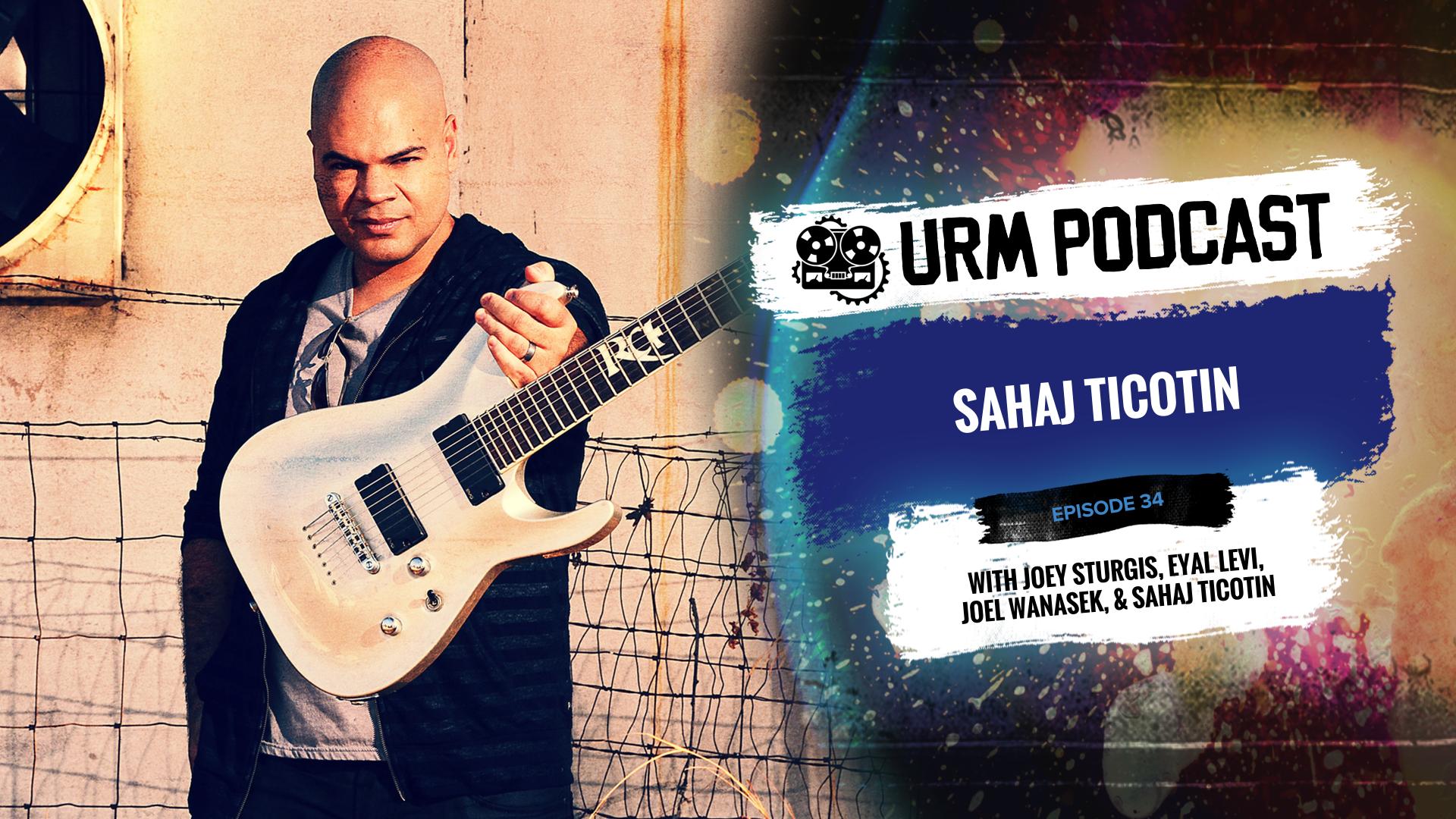
SAHAJ TICOTIN: Overcoming creative fear, the science of melody, and the final 10% of a hit song

Sahaj Ticotin is a producer and songwriter who got his start as the frontman for the band Ra, known for their 2002 hit “Do You Call My Name.” Growing up in NYC, he was influenced by a wild mix of artists like Sting, The Police, Black Sabbath, and even Run-DMC. After his time in the major label world with Ra, he transitioned into a full-time career producing and co-writing with other artists, bringing his deep understanding of melody, structure, and what makes a song connect with a listener.

In This Episode

This is a really insightful one for anyone who writes music. Sahaj gets into the nitty-gritty of what separates a good idea from a finished, impactful song. He discusses how the intense, get-it-done work ethic he learned in New York contrasts with the more laid-back LA studio vibe, and why discipline is often more important than raw talent. A huge focus of the conversation is on overcoming the fear-based mindset that kills creativity, encouraging writers to “steal” from their heroes to find their own voice. He breaks down the science of melody, the importance of lyrics that “sing well” (it’s all about the vowels and consonants), and the power of focusing on one clear emotional message per song. Sahaj also shares some killer advice on workflow and explains Dr. Luke’s theory that a hit song is truly made in the final 10% of the production process.

Products Mentioned

Timestamps

  • [1:16] Sahaj’s eclectic early influences: Sting, Paul McCartney, Black Sabbath, and Run-DMC
  • [2:54] Why he was always drawn to music that “transported” him to another realm
  • [4:15] How the second song he ever wrote was good enough to release decades later
  • [6:55] The importance of discipline and follow-through over raw talent
  • [9:14] The balance between fighting for a great idea and knowing when to walk away
  • [12:45] The difference in work ethic between NYC and LA studios
  • [17:48] Why most people make songwriting decisions based on fear
  • [19:58] Advice for new songwriters: start by copying the bands you love
  • [21:17] “Mediocre artists borrow, great artists steal”
  • [22:15] The importance of filtering ideas through your own unique perspective
  • [24:11] The science behind melody and structure in hit songs
  • [26:24] The lost art of making lyrics “sing well” with the right vowels and consonants
  • [27:49] How Linkin Park’s “Crawling” uses syllables and consonants for emotional impact
  • [32:18] Has inexpensive home recording technology diluted the quality of mainstream music?
  • [37:01] Why many modern rock bands lack the courage to evolve their sound
  • [39:18] Practical advice to improve your songwriting workflow
  • [40:10] Why you should never write a song that doesn’t mean something to you personally
  • [42:01] The importance of having one clear, focused message per song
  • [43:45] Dr. Luke’s theory: A hit is made in the last 10% of the work
  • [46:43] Why the conviction of the performance is a huge part of what makes a hit