Producer/mixer Nolly Getgood, known for his groundbreaking work with Periphery and as the founder of GetGood Drums, joins his go-to mastering engineer, Ermin Hamidovic, author of the acclaimed *Systematic Mixing Guide*. Together, they’ve shaped the sound of modern metal on records for artists like Devin Townsend and, of course, Periphery, establishing a powerful and trusted partnership in the studio.
In This Episode
Nolly and Ermin kick things off with some wild studio disaster stories before diving deep into their collaborative workflow on the Periphery records. They break down the dynamic between Nolly’s laptop-and-headphones mixing approach and Ermin’s highly calibrated mastering room, offering a ton of insight into how they make it work. The conversation then takes a turn into the crucial but often overlooked “mental game” of production. They get real about the power of single-tasking, managing focus, and the benefits of meditation for staying present and creative. They also explore the importance of separating your identity from your work to maintain balance and avoid burnout. It’s a candid chat that covers everything from technical details to the psychological resilience needed to thrive in the audio world.
Producer Joey Sturgis is a key figure in the modern metalcore scene, having produced and mixed seminal albums for bands like The Devil Wears Prada, Asking Alexandria, and Of Mice & Men. He is also the founder of URM Academy and Joey Sturgis Tones, creating educational content and plugins for the next generation of producers.
In This Episode
In this classic Q&A session, Joey Sturgis tackles a ton of questions straight from the URM community. He kicks things off with some killer business advice, explaining why “phantom mentors” and keen observation are more valuable than just reading books. Joey then demystifies his “secret sauce,” revealing that adaptability and solid decision-making are far more crucial than any specific plugin chain. He gets into the nitty-gritty of balancing vocals and guitars by thinking in terms of “weight” and “density,” and offers a reality check on why your DI tones might be lacking (hint: it’s not always the gear). He also drops practical knowledge on mastering for Apple Music, using automation and side-chaining to clear up muddy low-end in dense mixes, and gives his unfiltered thoughts on monitoring, including why he’d take two pairs of cheap speakers over one expensive pair and his take on using a sub.
Sterling Winfield is a producer and engineer deeply rooted in the Texas metal scene. He’s best known for his long-running collaboration with Pantera, where he worked as an assistant engineer on Far Beyond Driven and later co-produced Reinventing the Steel. His credits also include essential albums with Damageplan, HellYeah, Merciful Fate, and King Diamond.
In This Episode
Producer Sterling Winfield drops by to share some incredible stories from his time in the trenches with metal royalty. He revisits getting his start at Dallas Sound Lab and the fateful call from Terry Date that led to him working on Pantera’s iconic Far Beyond Driven. Sterling gets into the nitty-gritty of those sessions, revealing the surprisingly simple techniques behind some of metal’s most recognizable sounds—like using a single SM58 for Dimebag’s legendary guitar tone and recording Phil Anselmo’s vocals with the same mic in the control room with the monitors blasting. He discusses the transition from the analog to the digital world, the importance of capturing a great performance at the source, and why great musicianship will always trump fancy gear. From wild tour stories to his current, more balanced life in the studio, this is a killer look into the mindset and methods that shaped a generation of heavy music.
Having an efficient studio workflow is an extremely important factor when it comes to creating a viable business out of music production.
One of the biggest mistakes engineers tend to make when starting out is having to re-do tasks based on the fact that they screwed them up the first time, or simply didn’t take the necessary precautions to allow for a backup solution.
Thankfully, digital recording technology has produced some amazing tools which allow us to achieve maximum flexibility in the studio without having to start from scratch in order to change the core tonal characteristics of our raw recordings every time we want to change something.
In this ongoing series, I’ll be talking you through the amazing capabilities of 5 pieces of studio gear I rely on heavily in my productions in order to get great results fast.
This week, we’re taking a look at the numerous advantages to using Load Boxes & Impulse-Responses in the studio over the more traditional “Mic In-front Of A Cab” approach:
Part 2: Load Boxes
Before We Dive In…
A Few Words On The Classic “Impulse Responses Don’t Sound Real” Argument:
A simple fact which “real analog guitar gear” purists with minimal studio experience fail to understand when it comes to comparing Loadbox/IR/Profiler technology to a “real setup”, is the fact that sitting in front of a loud cab in a room, and listening back to a recorded cab are completely different things!
How so?
When you’re hearing a guitar cabinet in a room, you’re hearing the full-range, “a-few-feet-away-from-your-ears” version of the guitar tone, alongside any room & feedback interactions that may be adding to the sound.
Monitoring your guitar tone through an Impulse-Response on the other hand, is closer to sticking your head right next to the speaker cone at a 1 inch distance while cupping your ear to emulate an SM57 – OF COURSE IT’S GONNA SOUND DIFFERENT…
Real Speaker Cabinet ≠ IR Through A Flat-Response Monitor
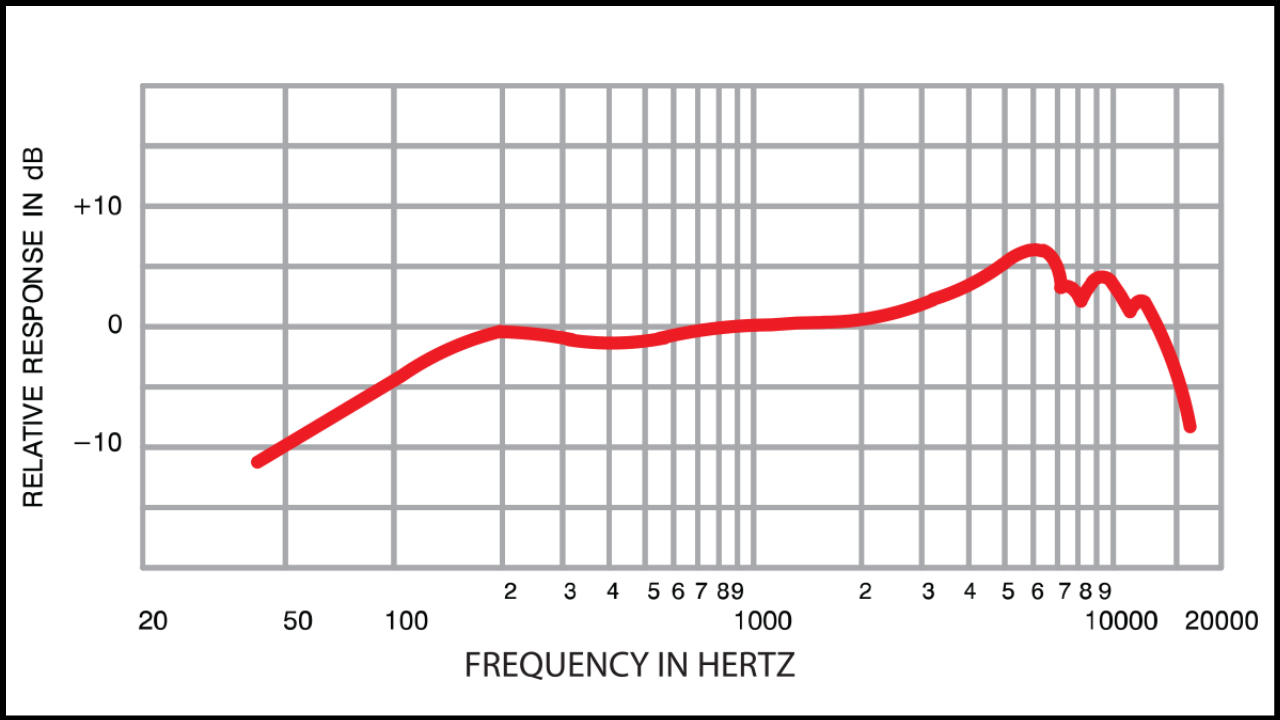
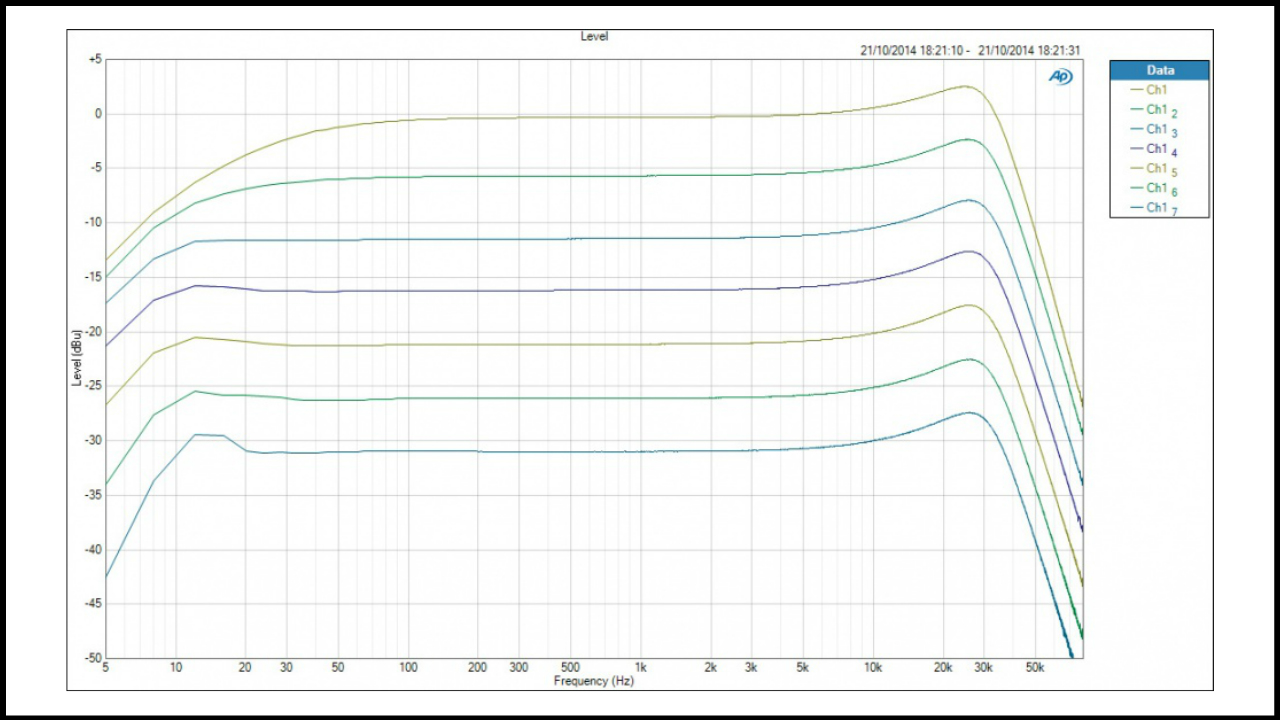
Another mistake I see being made way too often, even in “professional” comparison videos I’ve found online: People think that an IR is simply a “snapshot of the cab”, when in reality, it’s the combined EQ curve snapshot of the Power-Amp + Speaker Cabinet + Microphone + Microphone Preamp + Room Resonances… (+ Recording Interface A/D & D/A converters if you’re being extra picky!)
NOTE:As you can observe from the graphics below, the microphone and preamp you use while capturing a cab IR play a huge part towards shaping the overall tonal characteristics of the sound.
Image: The Frequency-Response of A Shure Sm57 Microphone
Image: The Frequency-Response of A Chandler TG2-500 Series Mic-Preamp
PS. This is also why plugging a kemper or axe-fx into a flat-response powered monitor isn’t the same thing as de-activating the cab simulation and playing through a power-amp/real cab!
Long story short…
These are a few of the reasons why people are often instantly put off when trying out digital guitar profiling/simulation units such as Kempers, Axe FX or Plugin Amp-Sims through headphones for the first time.
NOTE: Check out Pete Thorn’s brilliant, in-depth explanation video on using Load-Boxes & Impulse Responses if you’re still sceptical of the technology and need some further convincing:
Now that we’ve finally cleared that up…
HERE ARE THE WORKFLOW BENEFITS OF A LOADBOX + IR SETUP:
Silent Recording: Thisis most likely the primary appeal for anybody considering the switch to a Loadbox guitar recording setup.
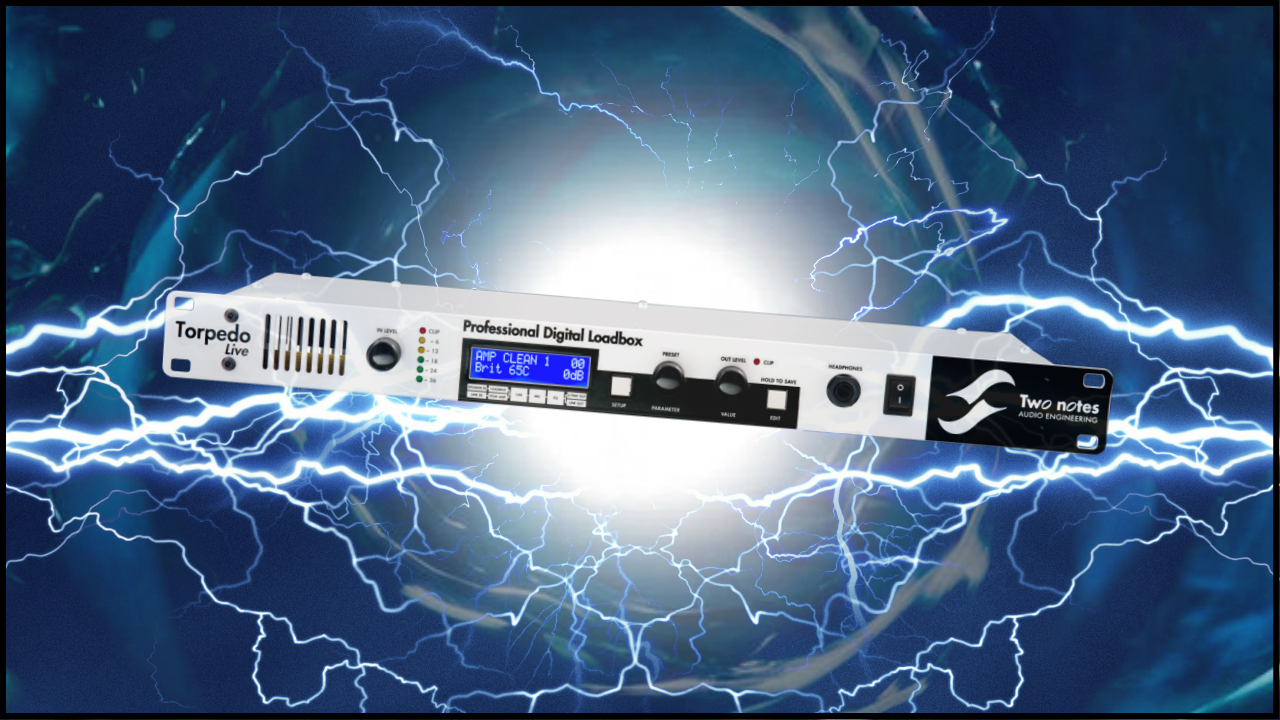
Loadboxes act as a middleman between your amp and audio interface, allowing you to safely “load-down” your tube amp’s output and convert it into a line level signal which can be routed into your DAW without blowing anything up in the process.
Being able to record your amp head directly means no more complaints from neighbours who are sick of you cranking your loud 4×12 for hours on end while trying to achieve maximum tonal bliss.
Record silently at any time of day, for as long as you like – Enough said!
Mic Placement Consistency: One of the most annoying things that can happen while recording electric guitars is for the microphone positioning to get screwed up mid-way through recording.
Loadboxes get rid of all the possible “human error” issues that can occur when dealing with precise microphone placements in the studio.
No more worrying about the drummer tripping on a mic cable or the mic stand gradually drooping throughout the duration of a recording session – Your favourite impulses are always going to produce the exact same results!
NOTE: Check out this video of guitar-tone guru Lasse Lammert comparing his real cab setup to a load-box/IR version of the same thing:
Shorter Setup Time: Finding the “perfect” microphone position in-front of your speaker cab can take a while. Accurately comparing multiple microphone models and placements to find the right combination can take even longer!
With a load-box, the setup procedure is as simple as plugging in and loading up your favourite IR software – Then you’re good to go!
No Room Interference: Recording a real guitar cab isn’t as simple as just throwing a microphone in front of a speaker in the corner of the room…
The room you choose to record in has a huge effect on the quality of tone you’ll end up capturing. Room resonances and low-end build-up can wreak havoc on the clarity of your tone if left untreated!
Room acoustics treatment, careful cab placement within the room and elevating/de-coupling your speakers from the ground are just a few of the many considerations which need to be made in order produce an ideal guitar recording environment.
Using a load-box on the other hand, allows you to use Impulse Responses which have been professionally captured by top engineers in acoustically ideal pro-studio environments from all across the globe. Aka:Less time spent fighting your room, more time spent making great music!
More Tonal Flexibility: One of the biggest selling points for Reload/IR technology is the fact that it allows you to audition hundreds of cab+mic combinations with minimal time and effort.
You’ll often hear famous metal engineers such as Andy Sneap and Colin Richardson talking about “one inch making all the difference” when it comes to guitar recording – It’s true…
Switching between Impulse Responses within your DAW allows you to hear the drastic tonal variations between different gear brands and microphone placements in quick succession, allowing you to find the “perfect storm” combination for the particular sound you’re going for with nothing more than the few clicks of a mouse.
NOTE: Josh Middleton from Sylosis demonstrates the broad tonal capabilities of the Torpedo Live with this In-Depth video:
Crank The Amp / Power-Amp Saturation: A lot of your favourite “classic” guitar tones were the simple result of cranking the amp really loud in a room in order to achieve some pleasant power-section saturation/distortion.
Truly cranking an amp often isn’t a viable option unless you own an a large isolated studio space with some severe sound-proofing going on.
Using a load-box allows you to record your amp at higher volumes than you’d usually be limited to, meaning you can experiment with finding the best balance between preamp and power-amp saturation for your tastes.
What about the downsides of Load Boxes?
Let’s face it, it’s extremely difficult for a single piece of studio gear to cover all possible bases with absolutely no “downsides” when compared to the alternative options.
This being the case, here are a few of the insignificant “drawbacks” you should know about before making the switch to a Loadbox driven guitar recording setup:
No Feedback: In situations where you’re monitoring your Load-box/IR guitar tone through headphones, you won’t be able to benefit from the classic “rock-n-roll” feedback effects you’re probably used to from playing next to a real cab.
The Fix: You can still benefit from guitar amp feedback while listening through studio monitors…
No “Movement Of Air”: Although speaker IR technology has come a long way in the past few years, it hasn’t yet reached a point where we’re able to re-create the subtle tonal variations caused by a real speaker moving air in a room – aka: They’re a static representation of the speaker’s frequency curve.
The Fix: In all honesty, this is more of a feel thing than it is a sound thing. Although you might be able to notice a few % difference between the sound of a real cab and it’s equivalent IR capture in isolation… I can guarantee you it won’t matter when listened to in the context of a full mix.
It Doesn’t Feel As “Powerful”: Well Duh… Nothing can really beat cranking a huge-sounding Marshall 4×12 and feeling the whole room vibrate
The Fix: I’m afraid there isn’t one. But as I’ve said previously in this article, nobody will be able to tell whether the results are a real cab in a room or simply an impulse response once the parts have been recorded.
NOTE: Needless to say, the pros of using a load-box to record guitars in the studio heavily outweigh the cons when it comes to capturing great tones with minimal effort. I can honestly tell you from personal experience that none of the issues I’ve mentioned above have ever caused me any actual problems in the studio!
OVERALL CONCLUSION:
The current world of guitar recording is obviously completely different to that of the 60s, 70s & 80s.
Jimi Hendrix was great, but he wasn’t some kind of “guitar tone scientist” who somehow knew how to dial in a “technically perfect tone”. I’m even willing to bet that he literally just turned the knobs until he found something he liked and went with it, focusing more on the quality of the music than he did on the minuscule details of the gear he was using.
Rather than using nostalgia as an excuse for blindly fantasizing about dated technology and techniques… Why not learn to embrace the future and try to come up with bigger and better things?!?
SUMMING UP:
To say the very least, the recording equipment we have at our disposal nowadays is simply astounding when compared to what was available to previous generations of engineers.
This being said: Be thankful for the amazing creative opportunities we’ve been given by the smart people developing incredible tools which make our lives easier.
Stop whining about subtle gear comparisons and simply do whatever it takes to make some cool music!
Final Words:
This concludes “5 Pieces Of Gear For Maximum Recording Flexibility – Part 2 – Load Boxes.” I hope that this article has given you some new ideas to try out during your next project. Be sure to comment below if any of this information has helped you out, or if you have any questions.
Stay tuned for more production/mixing related articles in the not-so-distant future!
Nail The Mix is our online mixing school that gives you REAL multi-tracks from REAL bands, plus a mixing class from the producer who recorded it. Past guests include Periphery, Chelsea Grin, Machine Head and State Champs. Join now for instant access!
Mick Gordon is the composer who single-handedly made industrial music cool again with his groundbreaking soundtracks for video games like the 2016 reboot of Doom, the Wolfenstein series (The New Order, The Old Blood, The New Colossus), and Prey. His work on Doom earned him a BAFTA and a D.I.C.E. Award for its brutal, innovative, and perfectly matched score.
In This Episode
Mick Gordon gets real about the discipline and mindset required to thrive in the high-stakes world of video game composing. He shares his personal productivity system of “time blocking” to maintain focus and creativity under insane deadlines, explaining how he avoids burnout during months-long “crunch” periods. Mick dives deep into his creative philosophy, making a strong case for why modern, aggressive music is often more emotionally relevant for games than traditional orchestral scores. He also discusses his “method actor” approach to getting in the right headspace for a project, why limitations breed creativity, and the importance of writing a solid musical idea with crappy sounds first before ever touching complex sound design. It’s a masterclass in workflow, creative integrity, and how to build a sustainable career.