Finn McKenty, Author at Unstoppable Recording Machine - Page 10 of 51

MIKE PLOTNIKOFF: The Mental Game of Hit Records, Visualizing Mixes as Toasters, and a 33.3-Minute Mixing System

Mike Plotnikoff is an engineer and producer whose credits read like a who’s who of modern rock radio. He has worked alongside industry titans like Howard Benson and Mutt Lang, and has engineered massive records for artists including Aerosmith, Buckcherry (15), Three Days Grace, Theory of a Deadman, and Bryan Adams. His discography spans several decades, from working with Bruce Fairburn on projects like the 1999 Yes album to recent collaborations that continue to push sonic boundaries.

In This Episode

Mike Plotnikoff drops by for a masterclass on the mindset required to build a lasting career at the highest level. He talks about dealing with the inevitable failures, explaining why you actually fail more than you succeed and how a background in professional motocross racing gave him the discipline to push through it. Mike shares the key to running a stable session: being the calm “pilot” in the room, leaving your personal chaos at the door, and knowing when to call it a day to avoid burnout. He gets into his unique creative process of “seeing” mixes as visual images—from colors to orange trees and even toasters—and how that guides his decisions. He also breaks down his highly structured workflow, including his 33.3-minute mixing timer, and discusses why having a reliable foundation is way more powerful than starting from scratch every time. This is a deep look into the mental game behind the biggest records.

Timestamps

  • [3:08] The singular goal of wanting to be as big as possible
  • [4:24] Failing more times than you succeed, and why that’s okay
  • [8:56] How a professional motocross background shaped his work ethic
  • [11:10] Being the stable “pilot” in a chaotic session
  • [13:55] The importance of always moving forward and never getting stuck
  • [17:40] Why every day is a different day in the studio
  • [19:51] Knowing when to end a session to avoid musician burnout
  • [23:09] Why marathon sessions can hurt your long-term career
  • [27:28] The power of staying in your lane and focusing on your strengths
  • [30:17] Still chasing the perfect record sound after a long career
  • [32:58] The records he feels he got closest to his ideal sound on
  • [36:44] Visualizing mixes as paintings and colors
  • [38:28] Why a mix can be visualized as a toaster
  • [40:54] Why Chris Lord-Alge is so good (and consistent)
  • [42:28] Starting with a solid foundation instead of experimenting from scratch
  • [47:52] Mike’s 33.3-minute mixing timer technique
  • [50:28] How structure and routine train your creative muscles
  • [54:28] How the best mixers in the world (CLA, Spike Stent, Brendan O’Brien) work fast
  • [59:24] The power of teamwork and defined roles in the Howard Benson system
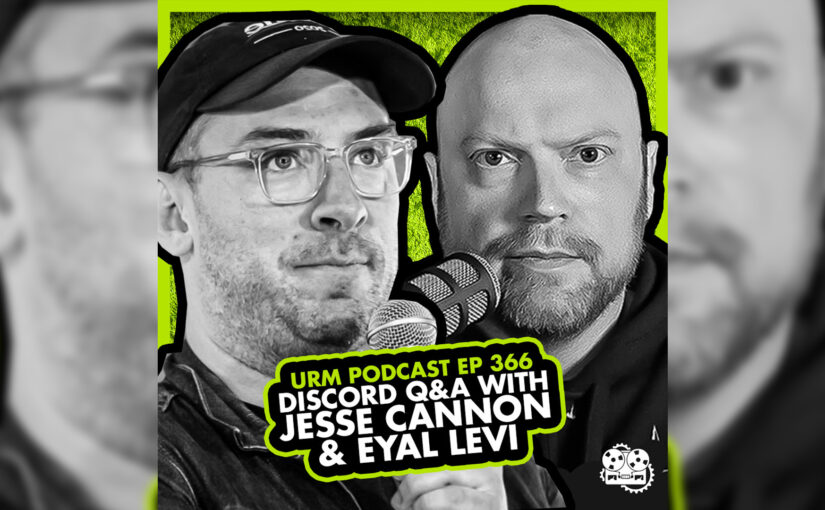
JESSE CANNON: Building a Music Career, Spotting Spotify Bots, Why Authenticity Wins

Producer, author, and music marketing strategist Jesse Cannon joins Eyal Levi for a no-bullshit Q&A session pulled from the URM Discord. Jesse is the author of books like “Processing Creativity” and has become a go-to voice for artists looking to navigate the modern music industry, sharing his insights on how to build a career and connect with an audience in today’s attention-driven landscape.

In This Episode

Jesse Cannon and Eyal Levi tackle a ton of questions from the URM community about the real-world grind of building a music career. They get into the “consistent sustained promotion” strategy—why releasing music frequently and collaborating is non-negotiable now. They also discuss why authenticity trumps just throwing content at the wall, as fans can sniff out bullshit from a mile away. Jesse breaks down what metrics actually matter versus vanity stats, how to spot bot activity on Spotify, and the nightmare of helping a band recover from a bot-ruined profile. For producers, this episode is packed with practical advice you can pass on to your artists, covering everything from motivating lazy bands and marketing niche projects to the psychology behind imposter syndrome and the simple truth that making music you genuinely believe in is the only strategy that works long-term.

Products Mentioned

Timestamps

  • [3:24] The “consistent sustained promotion” strategy for modern bands
  • [6:27] Why “throwing shit at the wall” is a bad social media strategy
  • [7:54] Music fans are like “drug dogs” for sniffing out inauthenticity
  • [10:17] Vanity metrics vs. legitimate metrics for bands
  • [11:52] How to spot if a band is using bot farms on Spotify
  • [13:52] A producer’s role in motivating lazy bands to do their own promotion
  • [16:55] How a European band can break into the US market
  • [18:15] Why repeated exposure is the key to how most people discover music
  • [19:49] The Meshuggah story: How tiny shows built a massive, organic buzz
  • [24:19] What to do if a band’s streaming stats have been ruined by bots
  • [26:57] Marketing “cheat codes” for a solo death metal project
  • [27:42] The incredible power of “lore” in metal marketing
  • [29:23] How to promote weird, long, or non-commercial music
  • [32:53] A system for being more consistent (and the app that forces you to do it)
  • [37:44] Dealing with self-doubt and second-guessing your work
  • [39:27] Eyal’s take on imposter syndrome and how to manage it
  • [44:09] Are boosted posts on social media ever a good idea for new bands?
  • [46:20] Should bands change their musical style just to chase new fans?

JOEL WANASEK: Mixing High-Speed Metal, Fixing Harsh Mid-Range, and Balancing Sub-Bass

Producer/mixer Joel Wanasek joins host Eyal Levi for this month’s MixCritMonday. Joel is the owner of JTW Recording and is known for his work with bands like Machine Head, Blessthefall, Monuments, and Attila. He’s a veteran of the modern metal scene, bringing a ton of experience in getting aggressive, polished, and powerful sounds.

In This Episode

Joel Wanasek joins Eyal to critique URM subscriber mixes of “Drone Corps Aviator” by the technical death metal band Spire. They kick things off by praising the original mix by Dave Otero, discussing just how insane it is to achieve clarity and power with music that’s often over 300 BPM. The guys then dive into three subscriber mixes, offering detailed, actionable feedback. They analyze issues like harsh, honky mid-range in guitars, the importance of controlling cymbal spot mics, and how to balance sub-bass in a dense, fast arrangement. They also touch on common problems like overly dry lead elements that fail to gel, scratchy snare sounds from too much bottom mic, and the tell-tale signs of an over-clipped, distorted mix bus. This episode is a masterclass in diagnosing specific problems in an extreme metal context, offering practical advice for getting your own high-speed mixes to punch without falling apart.

Products Mentioned

Timestamps

  • [2:26] The unique challenges of mixing extreme, high-speed metal
  • [3:35] Achieving definition in blast beats and complex guitar riffs
  • [4:11] Mix Crit #1: Dan Cox
  • [6:07] Why a completely dry intro can create a weird listening experience
  • [7:08] Identifying and fixing masking frequencies in distorted guitars
  • [8:21] How to properly blend cymbal spot mics with overheads
  • [9:43] Re-approaching the snare sound for better clarity
  • [10:00] Finding the right balance for sub-bass at high tempos
  • [10:59] Dealing with vocals that sound overly dry and disconnected
  • [11:23] Using common reverbs and delays to create a cohesive mix
  • [15:15] Mix Crit #2: JF Chouinard
  • [17:03] Diagnosing a scratchy snare sound (too much bottom snare mic)
  • [17:59] Why bass note definition is crucial in technical metal
  • [18:32] How to add low-end power without creating boominess
  • [20:20] Mix Crit #3: Andy Kim
  • [22:01] Identifying a painful wall of noise in the high-mids
  • [23:09] The sound of over-clipped drums and how to avoid it
  • [23:57] How an unbalanced low end can cause mix bus pumping
  • [24:54] Advice for a mix that’s been over-processed: “chill out” and simplify

WILL YIP: Signature Drum Sounds, His Song-First Approach, and Pushing Artists

Will Yip is a producer, songwriter, and engineer whose diverse credits span from hardcore and punk to indie rock and hip-hop. From his home base at Studio 4 Recording in Pennsylvania, he has become a go-to collaborator for artists like Turnstile, Code Orange, Turnover, Title Fight, and Bartees Strange, and even spent five years working with Lauryn Hill. He’s known for his hands-on, song-first approach, often becoming an integral part of the creative and songwriting process for the bands he works with.

In This Episode

Producer Will Yip joins Eyal for a killer Q&A session, dropping some serious knowledge on what it takes to make records that connect. He explains why his ability to work across so many genres comes down to one simple rule: the song is paramount. Will breaks down his role as a producer, emphasizing that his job is to deliver the best possible record, which often means getting deep into the songwriting and arrangement. He gets into the nitty-gritty of his highly sought-after drum sounds, revealing how his hip-hop background influences his approach and why he often tracks shells and cymbals separately for ultimate control. Will also offers a modern take on music release strategies, discussing the delicate balance between singles and full albums in the age of playlisting. This is a must-listen for anyone who wants to understand the psychology of pushing artists to their best, maintaining long-term creative partnerships, and why knowing your tools inside and out is more important than having the most expensive gear.

Products Mentioned

Timestamps

  • [2:23] How Will gets his foot in the door with so many different genres
  • [4:44] Why he’s more interested in being involved with songs than just engineering
  • [8:05] Will’s definition of a producer’s job: deliver the best possible record by any means necessary
  • [10:39] His thoughts on the analog vs. digital debate
  • [13:22] Why knowing your tools is the most important skill an engineer can have
  • [14:42] The secret to his drum tones (it starts with his hip-hop background)
  • [16:33] Why 80% of the drum sound comes directly from the performer
  • [18:15] Will’s surprisingly simple go-to drum mic setup
  • [19:05] The technique of tracking drum shells and cymbals separately for maximum flexibility
  • [24:02] The pros and cons of releasing singles vs. an album in the streaming era
  • [27:02] Why your music release strategy must constantly evolve
  • [29:32] How he maintains long-term relationships and does multiple records with the same artist
  • [31:08] The story of adapting the recording process for each Title Fight record
  • [39:33] How to push an artist to get the best out of them without being a dick
  • [42:35] Setting realistic expectations based on a performer’s actual abilities
  • [45:46] The specific drum kit used on Nothing’s album “The Great Dismal”
  • [49:18] Knowing when to abandon a song that just isn’t working
  • [51:41] Frank Iero’s advice on how music can be inspiring, even if people hate it

JEREMY SPENCER: Life After FFDP, Modern Production Secrets, and Why Cheap Amps Win

Jeremy Spencer, best known as the co-founder and former drummer of multi-platinum metal band Five Finger Death Punch, joins the podcast with his producer and engineer, Shawn McGhee. After a career spanning decades that took him from sleeping in a garage to playing arenas worldwide, Jeremy is now deep in the production world. Alongside Shawn, he’s maintained a prolific creative output, releasing an incredible number of records in a short time, exploring everything from southern rock to psychedelic metal.

In This Episode

This episode is a laid-back but super insightful chat about the realities of modern production. Jeremy and Shawn get into their production philosophy, emphasizing the importance of getting tones right at the source and delegating tasks to the right person. They share their thoughts on drum editing, discussing the pros of manual editing over Beat Detective and the creative use of unexpected elements like tambourine for adding momentum. The conversation also covers the crucial dynamic between artist and producer, highlighting why veteran musicians are often easier to work with and how managing expectations is key. They dive into modern workflows, debating the merits of different monitors like ADAM A7Xs, and the surprising effectiveness of mixing on headphones. It’s a great look at the practical and mental game of making records, from writing music that’s true to yourself to navigating the industry’s demands for branding and social media presence.

Products Mentioned

Timestamps

  • [3:22] The dangers of quantizing one drum but not the whole kit
  • [5:26] Editing drums by hand vs. using Beat Detective
  • [6:29] Why the Soothe plugin will change your life
  • [7:28] The philosophy of “get it right at the source” to avoid burnout
  • [9:49] Using tambourine in heavy metal for momentum
  • [12:18] Why veteran musicians are often easier to work with in the studio
  • [13:36] The importance of managing a band’s expectations
  • [14:45] A trick for bands who want “real” drums: sampling their own kit
  • [18:23] Why chemistry and trust are more valuable than expensive gear
  • [20:59] The modern reality of mixing on headphones and consumer products like AirPods
  • [22:48] Why high-end speakers that “make everything sound great” can be deceptive
  • [24:26] Comparing monitors: ADAM A7X vs. M&K and Genelec
  • [29:35] Writing for yourself vs. trying to please an audience
  • [31:59] How to deal with online haters and negative feedback
  • [33:19] The mutual respect pros have for each other, even if they don’t like the music
  • [40:42] Learning from failure and applying those lessons to the next project
  • [47:24] The importance of branding beyond just having a good song
  • [48:04] How social media numbers influence mainstream radio play
  • [50:56] The legacy of the Metallica “St. Anger” snare drum
  • [53:38] Why a cheap Peavey 5150 often beats boutique amps in shootouts