urmadmin, Author at Unstoppable Recording Machine - Page 14 of 45

20 Tips To A Better Vocal Mix (Part 1)

Introduction:

A few weeks back, in our 2-part “The A-Z Of Recording Vocals” URM Blog series, we discussed all of the things you should be thinking about when tracking your vocals.

Over the next few weeks, as a follow-up, we’ll be taking a look at 20 mixing tips that’ll ensure your freshly-tracked vocals end up being the crowning jewel of your song:

1 – First, Consider The Musical Context!

1 CONTEXT

  • The genre, lyrics, tempo and general vibe of a song play a huge role in determining how the vocals should be treated.
  • You can’t just blindly copy a vocal processing chain you’ve seen in a random tutorial on the internet and expect it to work perfectly in your unique scenario – You need to sit back, listen to the musical context, evaluate what the song actually calls for, and then take calculated steps towards achieving that goal through the simplest means possible.
  • If you’re not entirely sure about what kind of a vocal sound would best fit your song, I’d highly recommend referencing a few pro-mixed tracks in a similar style in order to gain some inspiration and new ideas as to what you could try first.
2 – Automate, Automate, And Then Automate Some More!
2 AUTOMATION

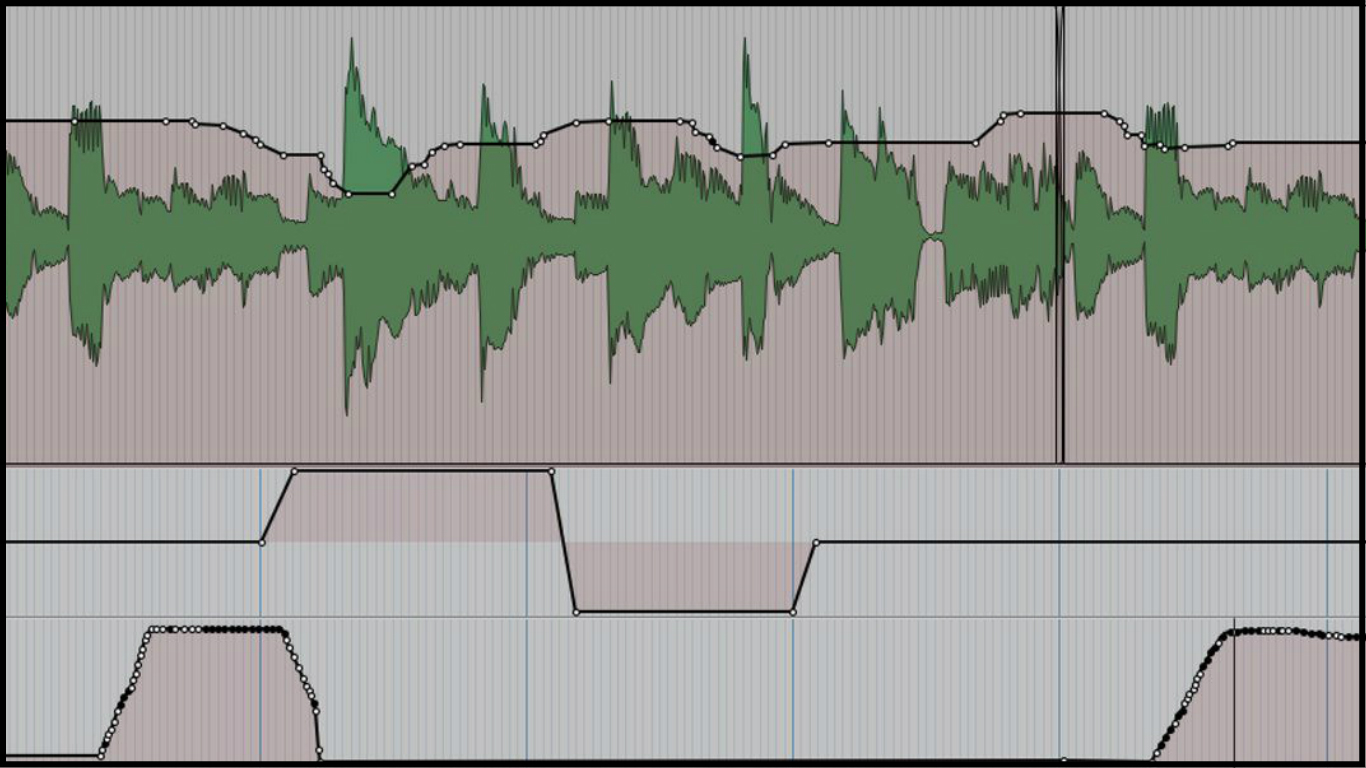
  • Volume automation is the absolute cleanest way of reducing the dynamic headroom of a vocal (or any other signal for that matter) without introducing unwanted sonic artefacts.
  • Try going through and leveling-out the volume of your vocals pre, and post-processing in order to ease the load on your compressors and keep them sitting on-top from start to finish.
  • How meticulously you go about this process is entirely up to you. Some engineers like to automate word-by-word, while others prefer to keep it simple and only work on a broad, section-by-section basis. Either way, the end result will be a much more consistent performance that won’t require as much processing to cut through and be heard.

VIDEO: In the following clip, The Pro Audio Files’ David Glenn masterfully demonstrates how he likes to use volume automation to fix inconsistencies in his vocal recordings within Pro Tools.

3 – Split Them Into Sections!
3 SPLIT

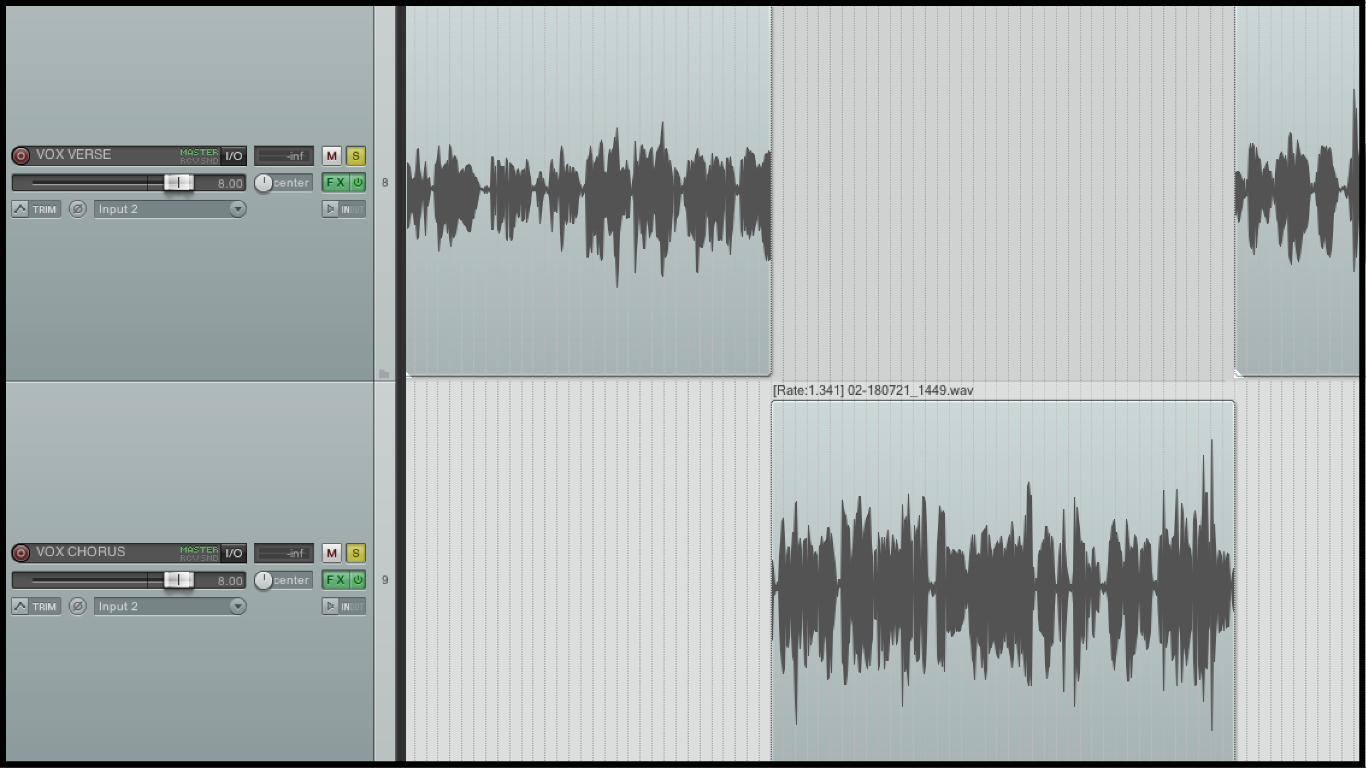
  • A vocalist will often sing in a slightly different tone or vocal technique for each section of a song, meaning that an EQ or compressor setting that works great in the verse won’t necessarily work as well in the chorus (etc. etc. and vice versa…).
  • A great solution to this problem is to simply split the vocal across multiple tracks (verse vox, chorus vox, etc.), and treat each of them slightly differently depending on what you’re hearing.
  • This way, you’re not having to deal with a bunch of complicated or time-consuming EQ automation moves, and can easily maintain a consistent-sounding overall performance throughout the duration of the track.
4 – EQ In Context!

4 SOLO

  • Given the fact that the primary goal when mixing vocals is to get them clear, upfront and in your face, mixing them in isolation makes absolutely no sense whatsoever…
  • The simple reason for this comes down to the fact that EVERYTHING SOUNDS GOOD IN SOLO, cause they’re not having to compete with anything else to occupy a finite amount of frequency real-estate…
  • Do yourself a favour – Add the vocals into mix early on in the process, and make all of your important processing decisions based on how they sound in context with everything else!

NOTE: Check out my “Learn From The Legends – Volume 1: Chris Lord Alge” URM article from a while back for more advice on why you should avoid mixing in solo at all costs!

5 – Keep It Simple – Think Broad & Musical!
5 BROAD

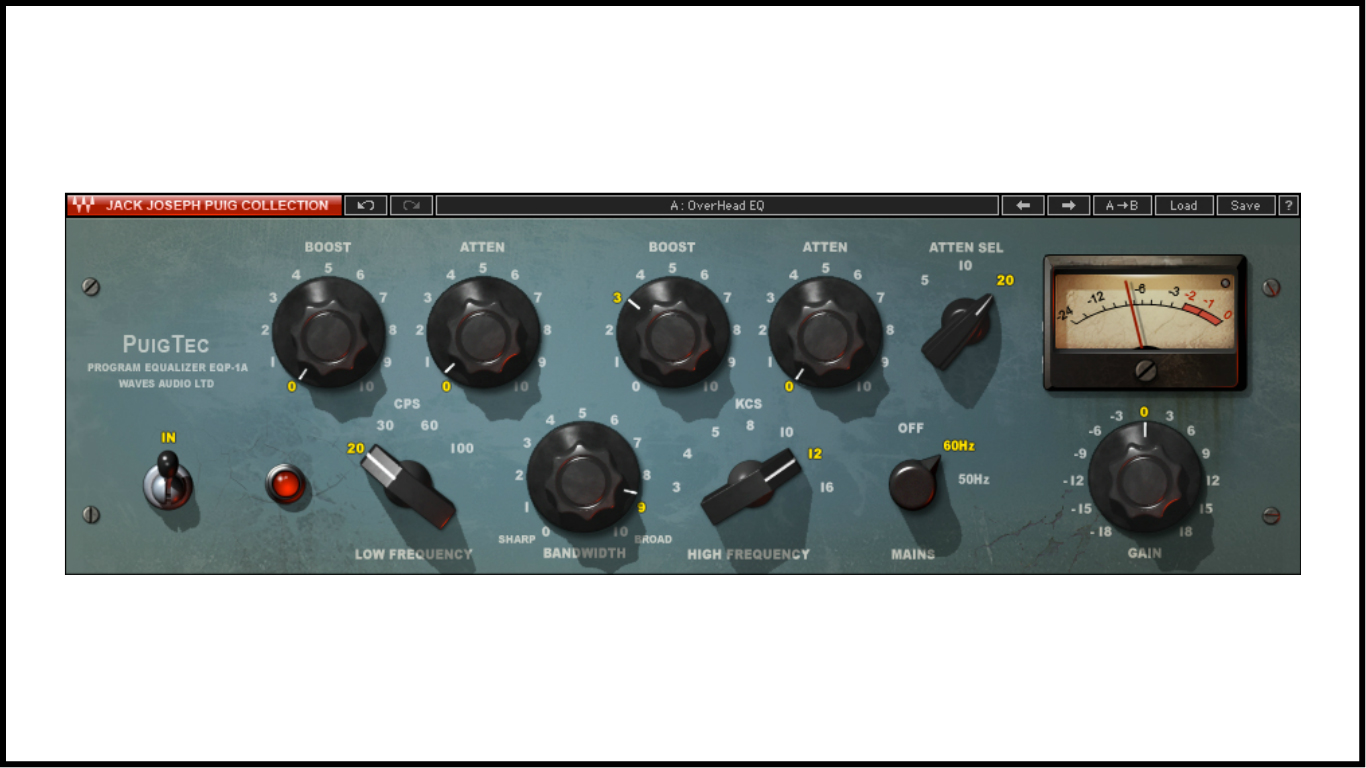
  • Always attempt to fix problems and reach your sonic goals in the fewest number of moves possible.
  • EX: If you find yourself doing dozens of cuts in the mid-range to clear up a vocal, chances are you could just broadband-boost the highs and lows instead to achieve the same overall result without introducing a bunch of weird phasing issues…
  • A lot of the greatest engineers in the world whip-up AMAZING vocal mixes with nothing more than a single SSL channelstrip. This being the case, do you still think your 20 plugin-long “Vocal Processing Super-Chain” is absolutely necessary?

NOTE: Looking for specific advice on how to EQ and Compress your vocals? Check out my “Mixing Secrets – Volume 1: Vocals” URM article from a while back for an in depth guide on just that!

6 – Kill Those Nasty Resonances!
6 SOOTHE

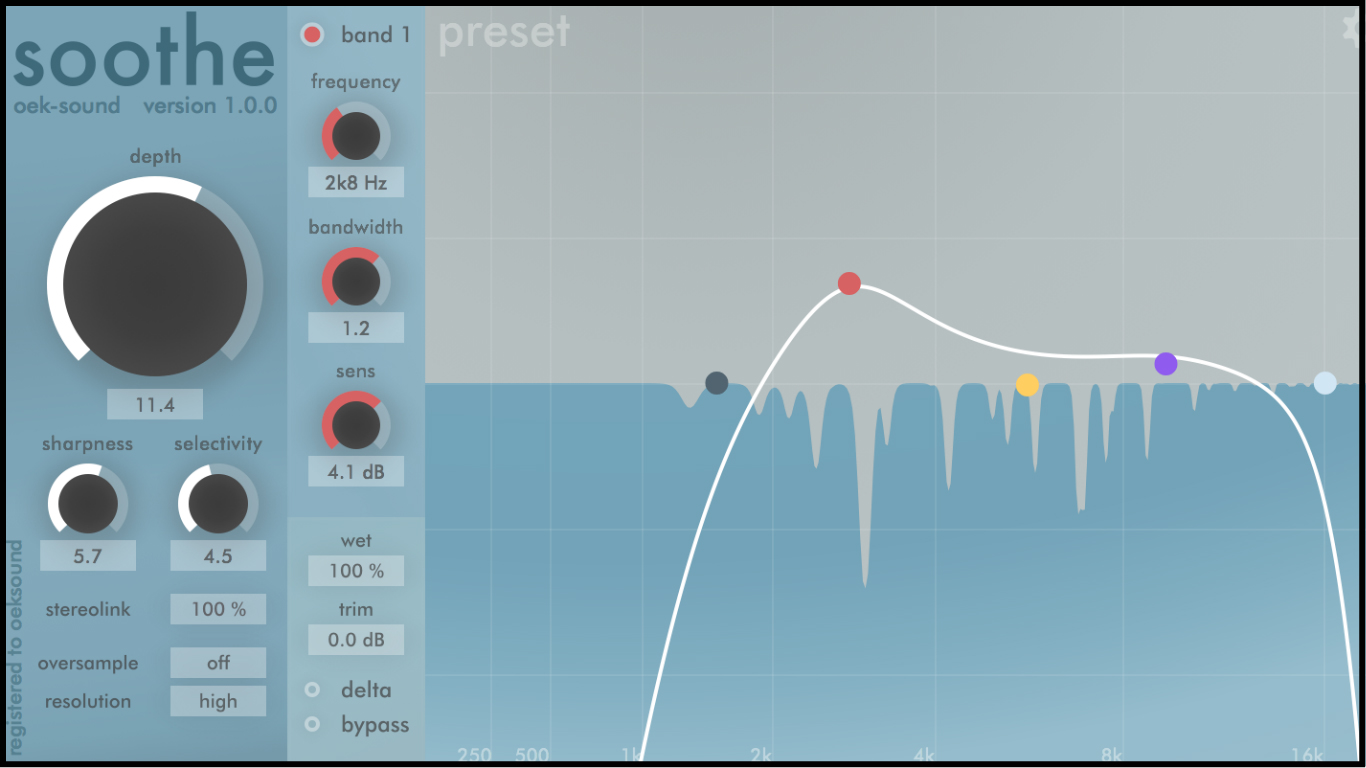
  • Microphones aren’t a perfect science, and can often produce some fairly unpleasant and unnatural sounding resonances when paired with certain voices.
  • Before starting on any broadband tonal-sculpting while mixing your vocals, it’s often a good idea to instantiate a “correctional” stage of surgical EQ first, notching out any blatant whistling frequencies that seem to constantly re-occur throughout the duration of the song.
  • It’s crucial that when doing this, you’re only removing frequencies that are blatantly problematic, and not just sweeping around trying to find problems where there are none.

NOTE: If you’re like me, and hate having to manually fish around for the kind of harsh nonsense I’m referring to above, you might want to check out Oeksounds “Soothe”, a revolutionary new plugin which can intelligently detect and smooth out the harshness in any signal without sounding fake or phase-y!

7 – But Don’t Neuter The Mids!
7 SCOOP

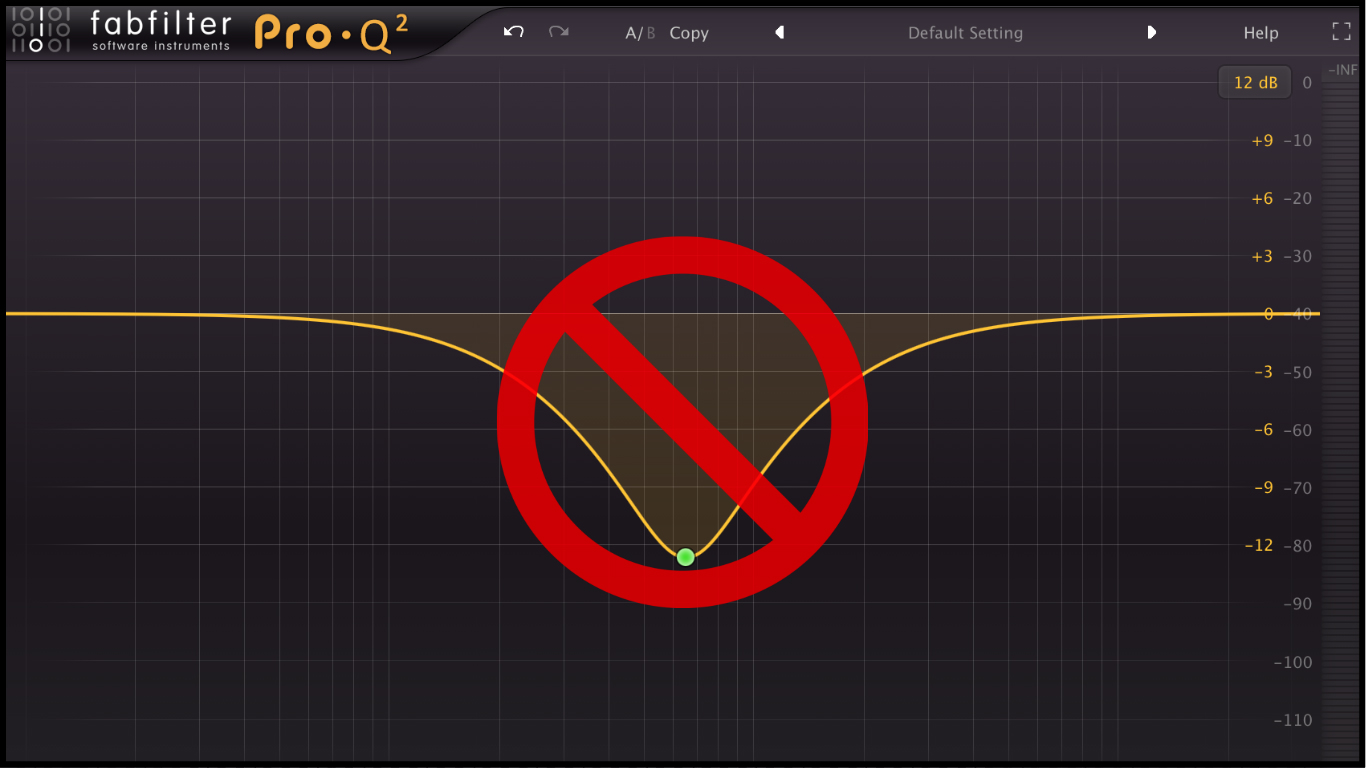
  • It’s pretty much a given that there’s gonna be some honky/nasal nonsense living around the 500 -1000Hz range in your vocals which will probably need addressing.
  • The problem is, unlike electric guitars or drums, where we can get away with applying huge mid-range scoops to really clear up these areas, vocals will quickly start to sound weird and unnatural if their mid-range character is altered too heavily…
  • Why? – Because the human ear is naturally attuned to hearing and understanding conversation – Meaning it knows exactly what a human voice is MEANT to sound like.
  • The answer is really simple: Make sure you’re not mangling your vocals to hell and back with too much processing!
  • If your vocal recordings are consistently causing you problems in the mid-range, then rather than “neutering” them with EQ, you might want to take a step back and consider whether your recording environment or microphone choice is to blame instead…
8 – Layer Your Compression!
8 LAYERS

  • Nuking a totally-dynamic vocal to death with a single instance of heavy-handed compression is one of the quickest ways to make them sound like a pumpy, distorted mess.
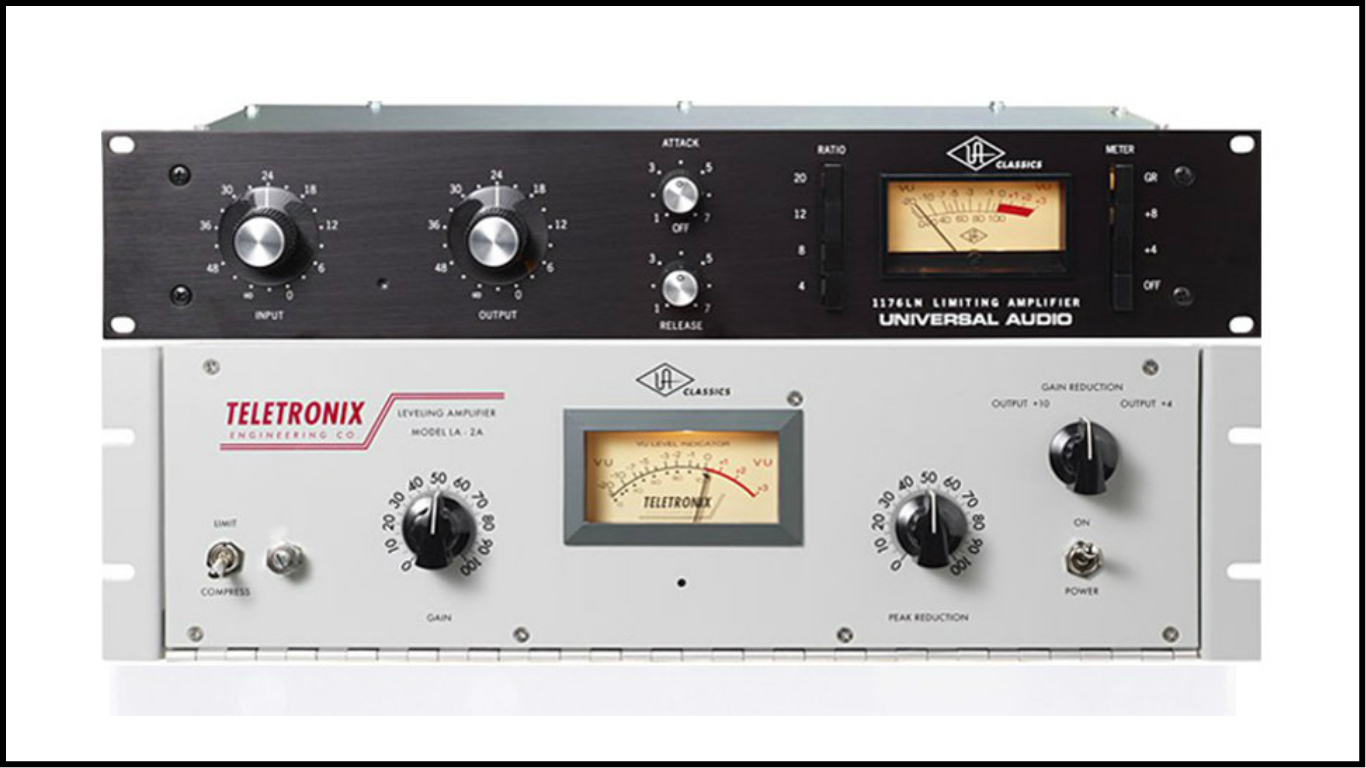
  • Often a far better solution is to strategically split the load between several stages of slightly more “conservative” gain-reduction in order to prevent each of them from having to keep up with drastic input volume fluctuations.

NOTE: The classic la-2a/1176 combo is still one of my personal favourites for this application. Here’s a great article by UAD on how to effectively set up this killer duo in your vocal mixes.

NOTE #2: If you’re having a hard time getting your head around the concept of compression, I’d highly recommend checking out my “Visualising Compression” URM article from a while back for an easy-to-understand, visual guide how to use this amazing tool effectively in your mixes.

9 – Give Them Some Analog Warmth!

9 ANALOG

  • Part of the reason our favourite classic tracks from the 70’s & 80’s have such great vocal sounds is the fact that they were being tracked through layers upon layers of vintage analog gear along the way, resulting in a much more “fattened up” and saturated signal from the get-go than what we’re typically capturing with our precise, modern-day digital recording equipment.
  • This being the case, it’s often a good idea to apply a layer of gentle (or not so gentle…) console or tape simulation while mixing a vocal in order to help it cut through and sound less “sterile”.

NOTE: Check out my “Making Digital Sound Analog” URM article from a while back for an in-depth guide on how to re-create a vibey “analog saturation signal chain” in the digital domain!

10 – Bone Dry = Bland & Boring!

10 BONE DRY

  • When we hear a voice in nature, we’re hearing a combination of the dry, direct vocal coming straight from the person’s mouth (usually from a few feet away), and the non-linear reflections within the acoustic environment that we’re situated.
  • When recording vocals in the studio however, we’re often tracking in a totally isolated environment, with the singer standing only a few inches away from the microphone capsule.
  • According to these observations, common sense dictates that if we’re looking to transform our “sterile” studio vocal recording into something which sounds “real”, we should be paying great attention to re-creating that sense of space and depth in our after-the-fact processing decisions.

NOTE: Vocal FX is a huge topic that I simply can’t do justice in a few short paragraphs. Check out my “Vocal FX Mastery (ft. Architechts)” URM article from a few months back for an in-depth guide on how to achieve immersive vocal mixes that pull people into your tracks and keep them there.

CONCLUSION: Vocals Still Not Sitting right? RECORD THEM BETTER NEXT TIME!

11 CONCLUSION

There are a lot of cool tricks that we can use to somewhat “fix” botched recordings when it comes to instruments:

  • For guitars and bass, we have re-amping.
  • For drums, we have sample replacement.
  • For keys, we can just capture midi and edit / change the patch later on.
  • But for vocals

For vocals, we’re totally reliant on the quality of the initial recording and performance.

My point is: Stop trying to magically transform your poor vocals recordings into something they’re not. Instead, simply take a step back, do your research, and work hard on upping your vocal-recording game!

FINAL WORDS:

This concludes “20 Tips To A Better Vocal Mix”. I hope that this article has given you some new ideas to try out during your next project. Be sure to comment below if any of this information has helped you out, or if you have any questions.

Stay tuned for Part 2, in which I’ll be sharing 10 more tips on making sure your vocals stand out in the crowd!


Want mix tips from URM Academy? Read them here!

Nail The MixNail The Mix is our online mixing school that gives you REAL multi-tracks from REAL bands, plus a mixing class from the producer who recorded it. Past guests include Periphery, Chelsea Grin, Machine Head and State Champs. Join now for instant access!


Joey Sturgis’ guitar editing: preserving pick attack

Don’t lose that pick attack!

Learn one of the keys to editing metal guitars: preserving the pick attack. This can be the difference between tight, punchy guitars and weird-sounding, weak guitars that just sound, well… wrong!

How to edit metal guitars: Preserving PICK ATTACK w/ Joey Sturgis

Learn one of the keys to editing metal guitars: preserving the pick attack. This can be the difference between tight, punchy guitars and weird-sounding, weak guitars that just sound… wrong. Joey Sturgis shows how he does it in Cubase using slip editing, nudging and other tools in this clip from his Guitar Editing Fast Track.

Joey Sturgis shows how he does it in Cubase using slip editing, nudging and other tools in this clip from his Guitar Editing Fast Track.

Get instant access to over 50 hours of tutorial like this one in URM Enhanced!


Nail The MixNail The Mix is our online mixing school that gives you REAL multi-tracks from REAL bands, plus a mixing class from the producer who recorded it. Past guests include Periphery, Gojira, Meshuggah, Machine Head, A Day To Remember and Bring Me The Horizon. Join now for instant access!
Dialing in huge metal bass tones using amp sims (w/ Forrester Savell + Karnivool)

Massive prog rock bass tone!

Learn how to get a truly gorgeous bass tone in your mix using amp sims in this tutorial from Forrester Savell using the multi-tracks for “Simple Boy” by Karnivool.

Dialing in huge metal bass tones using amp sims (w/ Forrester Savell)

Learn how to get a massive metal bass tone in your mix using amp sims in this tutorial from Forrester Savell using the multi-tracks for “Simple Boy” by Karnivool. This clip is from Forrester’s Mixing Progressive Rock Bass Fast Track in URM Enhanced.

This clip is from Forrester’s Mixing Progressive Rock Bass Fast Track in URM Enhanced. He uses Pro Tools, a bass DI, IK Multimedia Amplitube, Avid Eleven guitar amp sim, Waves GTR, Toneforge Menace, Auto Align, and Time Adjuster, but the same approach will work in any DAW with any amp sim (including any of the free ones).

Get instant access to over 50 hours of tutorial like this one in URM Enhanced!


Nail The MixNail The Mix is our online mixing school that gives you REAL multi-tracks from REAL bands, plus a mixing class from the producer who recorded it. Past guests include Periphery, Gojira, Meshuggah, Machine Head, A Day To Remember and Bring Me The Horizon. Join now for instant access!

Unboxing Architects “Gone With The Wind” raw multi-tracks

No but seriously these guitars omfg

Eyal Levi takes you on a guided tour of the raw multi-track session for “Gone With The Wind” by Henrik Udd off their 2016 album “All Our Gods Have Abandoned Us,” originally mixed by Henrik Udd and featured on Nail The Mix in June of 2017.

Architects “Gone With The Wind” raw multi-tracks [ UNBOXING ]

Eyal Levi takes you on a guided tour of the raw multi-tracks for Architects “Gone With The Wind” from their 2016 album “All Our Gods Have Abandoned Us,” originally mixed by Henrik Udd.

Here’s a few things to note as you watch the unboxing:

  • Beastly vocal performance from Sam Carter that sounds massive right out of the box
  • Very, very thick guitar tone (although DIs are also provided if you want to reamp for some reason)
  • Super tight, hard-hitting drum performance from Dan Searle. You won’t need to use many samples with these drums.
  • A lot of subtle layers of synths, effects and post-production (a lot of what sounds like synth is actually guitars, though)

Want more? Click here to get instant access to these multi-tracks and Henrik’s full mix session!


Nail The MixNail The Mix is our online mixing school that gives you REAL multi-tracks from REAL bands, plus a mixing class from the producer who recorded it. Past guests include Periphery, Gojira, Meshuggah, Machine Head, A Day To Remember and Bring Me The Horizon. Join now for instant access!
10 URM Articles You Should Read ASAP!

Introduction:

With all of the information available on the internet nowadays, it’s often difficult to figure out exactly where to start.

On that note, to get your “educational ball” rolling, here’s a list of 10 past URM articles that we believe every engineer can benefit greatly from reading:

1 – VISUALISING COMPRESSION

1 VISUALISING COMPRESSION

Compression is often thought of as some kind of super-technical, mysterious “dark art” which takes decades of practice and research to truly master, when in reality, it’s actually pretty simple…

“Visualising Compression” is our attempt at de-mystifying the concept of compression once-and-for-all in an easy to understand, concise, visually-guided package.

If you have any doubts whatsoever as to what your compressors are actually doing to your audio signals, or how you should be using them in your mixes, then this is the perfect article for you!

2 – THE KEY TO MIX-READY GUITARS WITH MAX MORTON (JINJER, SHOKRAN)

2 MAX MORTON

The key to a great guitar mix lies in getting the tone right at the source, and very few people are as adept at achieving this task as Jinjer/Shokran/Morton engineer Max Morton.

In my interview with Max a few months back, he spilled the beans on how he goes about capturing the blistering, mix-ready guitar tones he’s dialed-in for dozens of successful major label albums, as well as giving us some all-round great advice on how to avoid “overdoing” things during mixing.

If you’re looking to up your guitar-recording game then we highly recommend checking out “The Key To Mix-Ready Guitars With Max Morton” and learning from one of the very best in the business!

3 – RECORDING VOCALS? ALWAYS DO THESE 5 THINGS

3 RECORDING VOCALS

The Vocals are king in 90% of the music you’ll work on, so it’s extremely important that you’re giving them the royal treatment they require to sit proudly above everything else and RULE with an iron fist!

In “Recording Vocals? Always Do These 5 Things”, we guide you through a plethora of useful vocal recording tips-and-tricks which can help take your vocal productions from “meh” to “BLEGH!”.

NOTE: Speaking of great vocal production (and “BLEGH!”)… Click Here to purchase the full, raw, multitrack stems to Architects’ mega anthem “Gone With The Wind”, and gain access to legendary metal producer Henrik Udd’s 5-hour-long mixing masterclass!

4 – BUY SMART! – A GUIDE TO BUYING GEAR

4 BUY SMART

The greatest lie in the whole of Audio Engineering is that you “need” tons of expensive gear in order to make great music…

As cliche as it may sound for me to say “It’s the ear, not the gear”, it’s important to realise that most of the time, cliches and stereotypes exist for a reason…

In “Buy Smart! – A Guide To Buying Gear”, we give you some great advice on making the best possible gear investments for your budget so that you don’t end up wasting all of your hard-earned audio income on a bunch of fancy paperweights.

5 – VOCAL PERFECTION (WITH MARY ZIMMER)

5 MARY ZIMMER

Stop getting vocalists to aim upwards into the microphone while recording! It’s well intended by engineers, but actually causes their throat to respond to the thought of looking upwards. The result is the singer’s larynx shooting up in a non-relaxed position, making it much harder to sing…”

Wow… This is just one of the many pieces of brilliant vocal-tracking advice that Voicehacks founder Mary Zimmer bestowed upon me during my in-depth interview with her a short while back.

If you’re interested in coaxing the best performances out of the singers you work with in the studio, then don’t miss this awesome opportunity to learn from a true professional on the subject – Check out Vocal Perfection With Mary Zimmer today!

PS: Make sure to read through to the end of the interview for a link to download the full vocal stems from Asking Alexandria’s hit single “Into The Fire” free of charge!

5 – ANALYSIS AS A LEARNING TOOL PART 1 & 2

6 ANALYSIS

There’s no doubt that great music comes from feel and emotion, and not from looking at a bunch of technical charts or graphs on a screen, but that’s not so say that you can’t learn anything from doing the latter…

In our 2-part “Analysis As A Learning Tool” series, we guide you through the various tools and methods you can use to analyse your audio signals and better understand what’s going on under the hoods of your favourite plugins.

NOTE: In Part 1, we made a mind-blowing discovery on how you can use a frequency analyser to visually dial in the perfect drum sound! Trust me, you don’t wanna miss out on this one…

7 – MAKING DIGITAL SOUND ANALOG – THE BEST OF BOTH WORLDS

7 ANALOG

A lot of people like to argue that the sound of digital is inferior to analog. We beg to differ!

In “Making Digital Sound Analog – The Best Of Both Worlds” we reveal how you can go about achieving a true-to-life Analog workflow in-the-box and give your mixes that fat, warm, vintage sound that you’re so used to hearing on all of your favourite classic records.

It’s all of the sonic goodness of real analog, with absolutely none of the down sides!

8 – 5 PIECES OF GEAR FOR MAXIMUM RECORDING FLEXIBILITY (5-PART SERIES)

8 FLEXIBILITY

A key element in creating a productive and lucrative business is being able to achieve great results quickly with minimum guesswork involved.

In our 5-Part “5 Pieces Of Gear For Maximum Recording Flexibility” series, we introduce you to 5 awesome pieces of gear which can transform your recording sessions into a well-oiled-machine and allow you to achieve top-quality recordings in the nick of time.

NOTE: Interested in applying the same workflow mentality to your mixing? Check out our 10 Quick Tips For A Quick Mix” article from a while back for some great tips on speeding up your mixing process!

9 – MIXING SECRETS – VOLUME 5: SYNTHS

9 SYNTH LORD

For a lot of “old school” metalheads, the moment that keyboards started appearing on metal records was the moment that heavy metal died, and they’d rather not have anything to do with them…

The problem is, synths and keys are such an integral part of modern music at this point, that if you’re unwilling to deal with them, you’re basically writing off a huge percentage of your potential client base…

In “Mixing Secrets – Volume 5: Synths” we’ll teach you how to embrace the dark side, and put you well on your way towards becoming… A SYNTH LORD!

10 – HOW TO MIC UP PRETTY MUCH ANYTHING

10 MIC ANYTHING

One of the biggest mistakes an engineer can make early on is to develop a habit of relying too heavily on “pre-determined” microphone positions they’ve read about on the internet.

The simple truth is, every instrument, microphone, musician, song and recording space is different, meaning that each unique recording situation will require a custom-tailored approach to capture the best results!

In “How To Mic Up Pretty Much Anything”, we guide you through the A-Z of how your microphones work so that you can begin to make informed decisions on your mic placements and start achieving the exact sounds that are in your head straight away!

FINAL WORDS:

This concludes “10 URM Articles You Should Read ASAP!”. I hope that this article has given you some new ideas to try out during your next project. Be sure to comment below if any of this information has helped you out, or if you have any questions.

Stay tuned for more production/mixing related articles in the not-so-distant future!


Want mix tips from URM Academy? Read them here!

Nail The MixNail The Mix is our online mixing school that gives you REAL multi-tracks from REAL bands, plus a mixing class from the producer who recorded it. Past guests include Periphery, Chelsea Grin, Machine Head and State Champs. Join now for instant access!