Eyal Levi, Author at Unstoppable Recording Machine - Page 32 of 33

CALEB RODRIGUEZ: Mixing on headphones, vocalist-producer syndrome, and DIY acoustic treatment

Caleb Rodriguez is an up-and-coming producer and the vocalist for his own band. He joins the URM podcast for a #Mixcritmonday session, getting direct feedback on his mix from hosts Joey Sturgis, Joel Wanasek, and Eyal Levi. Like many producers, Caleb got his start recording his own music and is now building a client base and transitioning to full-time audio work.

In This Episode

This #Mixcritmonday episode puts a mix from producer Caleb Rodriguez under the microscope. The guys get into a deep discussion about the pros and cons of mixing on headphones after learning it’s Caleb’s primary method. They offer some killer, practical advice on why monitors are crucial for getting the low-end and core balance right, and how to improve a sketchy listening environment with multiple reference sources and DIY acoustic treatment. The critique gets into the technical weeds, diagnosing a lack of punch and clarity caused by bass intonation issues, “flat” guitars that need automation to come alive, and vocals that are mixed way too loud—a classic case of “vocalist-producer syndrome.” It’s a super relatable session packed with tips on everything from guitar pick thickness to using sine waves to lock in your sub-bass.

Products Mentioned

Timestamps

  • [5:40] Caleb’s gear rundown for the track
  • [8:04] The reveal: mixing almost exclusively on headphones
  • [9:03] Why headphones are for details, not for setting main balances
  • [11:08] The importance of checking a mix on multiple sources
  • [13:03] How bedroom acoustics can kill your ability to hear bass
  • [14:44] A simple guide to building your own DIY acoustic panels
  • [16:37] First impressions of the mix: “no balls and no clarity”
  • [18:21] The problem with Zombass and virtual instrument intonation issues
  • [22:07] Using automation to make programmed guitar tones more exciting
  • [24:35] Diagnosing “vocalist-producer syndrome” (vocals are way too loud)
  • [28:14] Joel’s story about the dangers of “egocentric mixing”
  • [32:35] Pod Farm vs. Axe-Fx: why simpler can sometimes be easier to mix
  • [35:07] Why pick attack is 80% of a great metal guitar tone
  • [37:36] The great debate: what’s the best guitar pick thickness for metal?
  • [41:41] Using the Magic AB plugin to improve your referencing workflow
  • [45:30] The pro trick of layering a sine wave under your bass track
  • [49:22] Hunting down frequency buildup in the upper-midrange
  • [51:00] A quick primer on using a multiband compressor on your mix bus

JOEY STURGIS, JOEL WANASEK, & EYAL LEVI: The Mac vs. PC Debate, Studio Acoustics, and Speaker Placement

This episode features URM founders Joey Sturgis, Joel Wanasek, and Eyal Levi. Joey is a producer known for defining the sound of 2010s metalcore with bands like Asking Alexandria, The Devil Wears Prada, and Of Mice & Men. Joel has a massive discography that includes work with Machine Head, Blessthefall, and Monuments. Eyal is the guitarist for Dååth and has produced and engineered for bands such as The Black Dahlia Murder, August Burns Red, and Whitechapel.

In This Episode

Joey, Joel, and Eyal get into a classic studio debate: Mac vs. PC. They look back at why PCs earned a bad rap a decade ago and discuss how the tables have turned, with custom-built PCs now offering rock-solid stability while modern Macs seem to be getting buggier. The guys then shift to the art of taming your mix environment. They explore different approaches to acoustic treatment, from fully trapping a small room to using minimal treatment in a larger space. The main takeaway is that learning your room’s specific quirks is far more important than chasing an acoustically “perfect” space. They also share practical advice on speaker placement, the importance of referencing on multiple systems, and how to avoid common setup mistakes. It’s a deep dive into the foundational tech and listening habits that can make or break your mixes.

Products Mentioned

Timestamps

  • [0:24] The Mac vs. PC debate begins
  • [1:46] Why PCs used to suck (bloatware from big box stores)
  • [4:07] Driver issues and the evolution of Windows stability
  • [5:41] Eyal’s modern Mac problems that feel like old PC issues
  • [6:58] How often do modern PCs get the Blue Screen of Death?
  • [8:03] The advantages of PC customization vs. Apple’s closed ecosystem
  • [11:08] The music industry’s annual holiday shutdown
  • [12:38] Fighting with a label over unrealistic holiday deadlines
  • [17:59] Joey sets up a band living space in his new house
  • [19:53] The perils of recording your significant other
  • [21:07] The even greater perils of recording an ex
  • [24:11] Joel’s new studio build-out process
  • [27:21] Joel’s acoustic treatment approach using GIK products
  • [32:12] Why you must learn your room, no matter how well-treated it is
  • [34:20] Can you mix a great record on bad speakers?
  • [36:09] The power of referencing on multiple systems
  • [42:04] A simple tip for improving your sound: move speakers away from the wall
  • [43:16] Finding (and avoiding) the null point in your room

JOEY STURGIS, JOEL WANASEK & EYAL LEVI: The “Fix It In The Mix” Myth, Pro Guitar Tones, Vocal Mixing Tricks

This episode of the URM Podcast features hosts Joey Sturgis, Joel Wanasek, and Eyal Levi. Joey Sturgis is a producer and plugin developer known for shaping the sound of early 2010s metalcore with bands like Asking Alexandria and The Devil Wears Prada. Joel Wanasek is a producer and mixer who has worked with acts such as Blessthefall, Machine Head, and Monuments. Eyal Levi, also a producer and musician, is known for his work with bands like The Black Dahlia Murder, August Burns Red, and Chelsea Grin.

In This Episode

This week, the URM crew gets into a killer discussion about why so many modern mixes get bogged down by correctable mistakes. They kick things off by lamenting the decline of solid engineering, stressing that a great mix starts with great tracking—not just trying to “fix it in the mix.” The conversation is a deep dive into the importance of fundamentals, from why your pick attack matters more than any plugin for getting clear guitar tone, to how focusing on basic EQ and compression skills pays off more than chasing complex techniques. Eyal shares a traumatic story about mixing guitars recorded with a dead battery, driving home the point about source tone. The guys also get technical on salvaging bad DIs, making vocals sit in a dense mix without getting buried, and why you should try throwing a condenser mic on a snare drum. It’s a reality check on prioritizing what actually matters to get a pro-sounding track.

Products Mentioned

Timestamps

  • [3:16] The decline of engineering in favor of “fixing it in the mix”
  • [7:11] Why fundamentals are more important than advanced, flashy techniques
  • [9:36] How practicing beginner-level basics can make you a better player and mixer
  • [13:50] The infamous “dead battery” story and its effect on a mix
  • [18:07] Why pick attack and playing style are the real keys to guitar note definition
  • [22:00] Proving “tone is in the hands” with a simple Chimaira riff
  • [26:33] Using less gain and picking harder for a heavier tone
  • [28:39] Using subtractive EQ notching to add clarity to guitars
  • [29:20] Using limiters and volume automation to even out guitar dynamics
  • [37:08] When to be technical vs. musical during the mixing process
  • [40:22] Using a transient designer to tighten up sloppy bass or guitar DIs
  • [42:41] Simulating an overdrive pedal with pre-amp EQ on a DI track
  • [44:30] Automating the DI level before the amp sim to control problem notes
  • [50:36] The danger of spending a year on one mix and losing perspective
  • [55:49] A bus compression technique to help vocals sit on top of an instrumental mix
  • [57:02] Using a sidechain EQ like Trackspacer to create space for vocals
  • [1:03:49] Experimenting with non-traditional mic choices, like condensers on snares
  • [1:05:08] Using large-diaphragm condensers on toms for a more natural sound
  • [1:15:44] A master bus trick: Notching out annoying resonant frequencies
  • [1:18:48] Production and panning tricks to make choruses feel wider

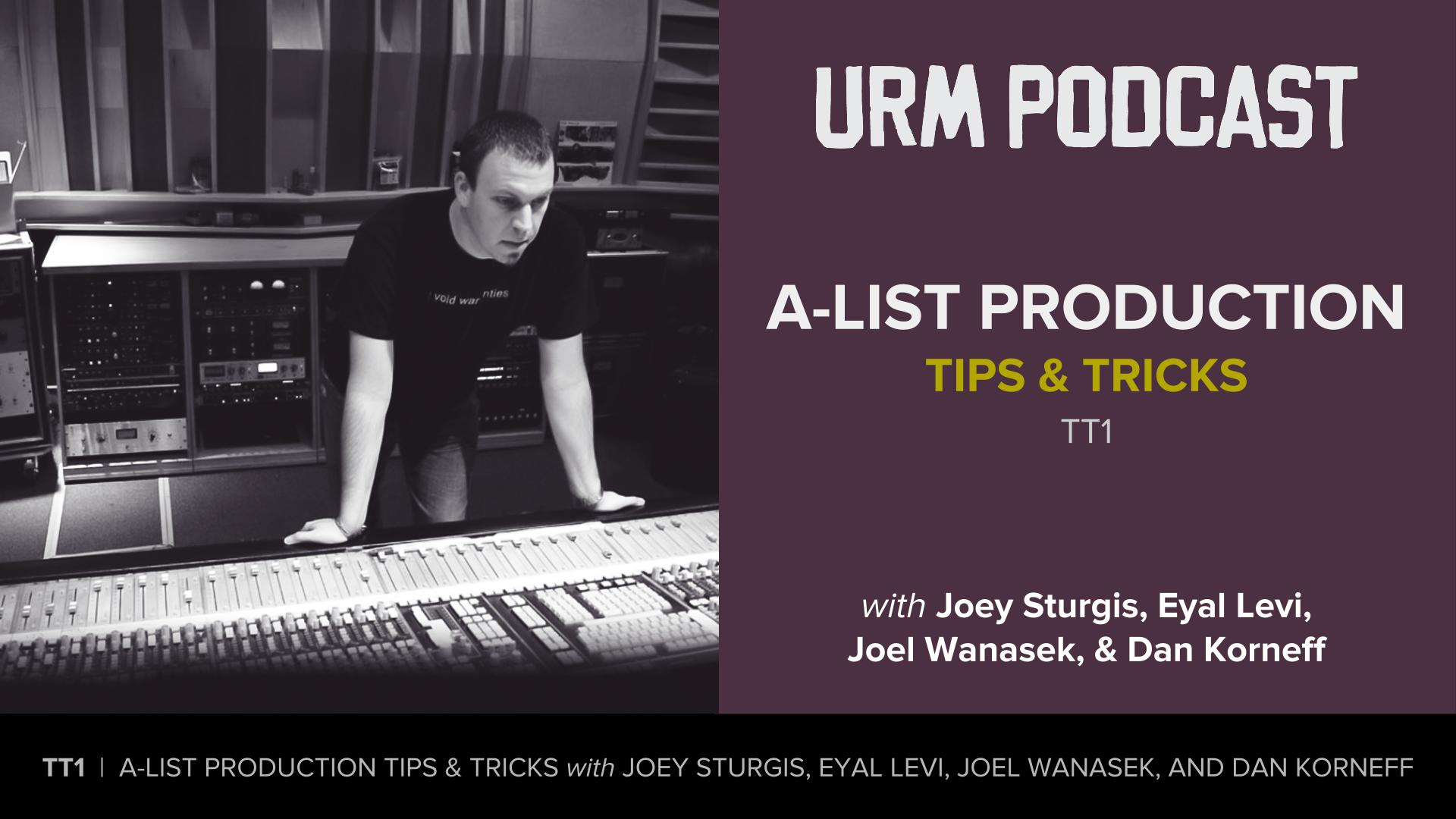
DAN KORNEFF: Carving Frequencies, Wide Guitar Tricks, and His Two-Compressor Master Bus

Dan Korneff is a producer and mixer known for his punchy, powerful work with a ton of major rock and metalcore acts. He’s been behind the board for bands like The Devil Wears Prada, Motionless In White, Papa Roach, Breaking Benjamin, and Lamb of God. Operating out of his own space, Korneff’s work blends the precision of modern production with the weight and character of analog gear.

In This Episode

This is the first-ever “Tips and Tricks” episode, and Dan Korneff drops some serious knowledge. He gets right into the nitty-gritty of making space in a dense mix, talking specific frequency ranges he carves out on guitars (and their octaves) and how he balances individual track processing with bus compression. Dan shares some absolute gold, like his parallel processing trick for getting wide guitars without phase issues and his ridiculously cool master bus chain featuring two SSL compressors in series. He also discusses the ongoing hardware vs. software debate, explaining why analog gear still has a certain “movement” that plugins can’t quite capture. It’s a killer conversation packed with actionable advice on everything from routing in Cubase to managing client feedback—including one simple rule that could save your sanity on the next project.

Products Mentioned

Timestamps

  • [4:52] Dan’s primary approach to carving frequencies and making space in a mix
  • [5:51] Where to set low-pass filters on heavy guitars to get rid of fizz
  • [6:30] How to use surgical EQ to tame harshness without making guitars sound soft
  • [7:37] Tackling annoying frequencies (around 3k) and their corresponding octaves
  • [9:21] Dan’s philosophy on processing individual tracks vs. busses
  • [11:11] A killer parallel processing trick for stereo widening guitars
  • [13:27] What to automate by hand vs. what to side-chain
  • [17:06] Dan’s aggressive master bus chain: two SSL compressors in series with a Pultec
  • [18:31] Learning from Andy Wallace’s heavy master bus compression (12dB of gain reduction!)
  • [22:11] The difference in “feel” and “movement” between analog and digital compressors
  • [27:01] Why Dan uses Cubase and how it handles plugin delay compensation
  • [29:13] How to handle recalls when you’re mixing on an analog console
  • [31:59] The one rule every band needs to follow when giving mix feedback
  • [33:32] Rapid fire: Go-to kick drum chain
  • [33:51] Rapid fire: Go-to vocal chains for screaming vs. clean singing
  • [34:04] Rapid fire: Go-to distorted guitar mic setup
  • [34:14] Rapid fire: Go-to bass guitar recording chain

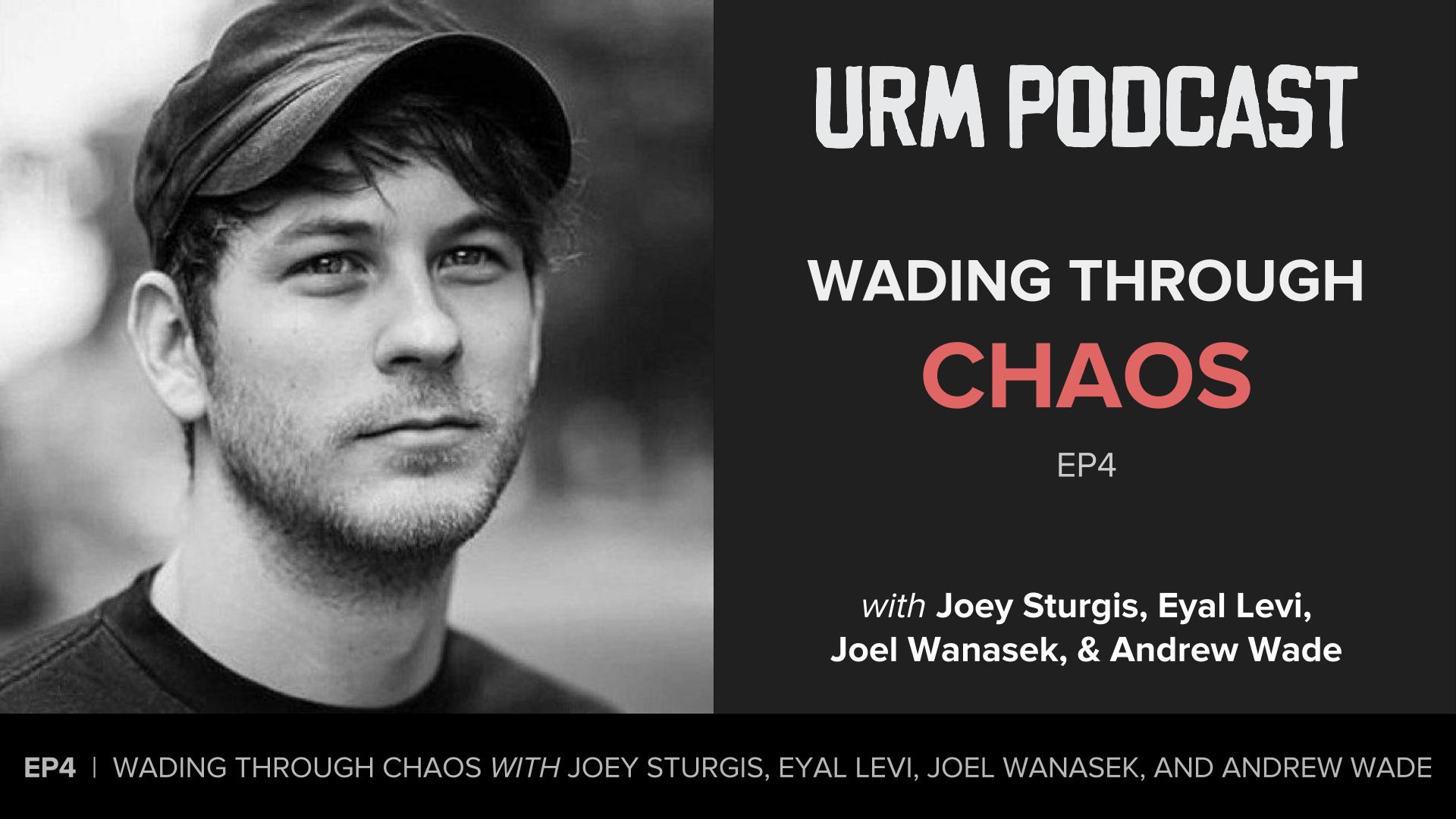
ANDREW WADE: Pro Production Workflow, One-Pass Stem Bouncing, Bulletproof Backups

Producer Andrew Wade has been a key architect of the modern metalcore and pop-punk sound. He’s best known for his long-standing relationship with A Day To Remember, having produced and engineered landmark albums like Homesick and What Separates Me from You. His discography also includes influential records for bands such as The Ghost Inside, Wage War, and Neck Deep.

In This Episode

After kicking things off with some truly wild stories about human excrement in the studio, Andrew Wade gets down to business on a topic that can make or break a production: organization. He shares the highly efficient Pro Tools routing system he developed to bounce stems, instrumentals, click tracks, and multiple master versions all in a single pass—a huge time-saver. The guys discuss the entire workflow from prep to delivery, covering how to organize and name tracks for clarity, the best way to send files to a mixer, and the importance of a solid rough mix. They also get into strategies for managing mix notes without going insane and why a bulletproof, multi-layered backup system (including cloud services) is non-negotiable. It’s a masterclass in setting up a professional workflow that lets you focus on being creative instead of chasing down problems.

Products Mentioned

Timestamps

  • [5:17] The infamous “piss jug” story
  • [11:16] Andrew’s contest to find and develop a new band for free
  • [15:45] The difference between helping a band and destroying them
  • [27:56] How poor organization can waste an entire work week on a single album
  • [29:57] Having an assistant prep sessions to speed up mix workflow
  • [34:01] The frustrating Pro Tools I/O bug when importing sessions
  • [35:28] Andrew’s genius routing setup for one-pass bouncing of stems, masters, and instrumentals
  • [42:58] Why you should record back into your DAW instead of bouncing to disk
  • [46:41] How to prep and send files to a mixer
  • [48:08] A simple trick for naming vocal tracks for better organization
  • [50:30] Printing effects on stems to preserve your production vision
  • [54:20] Sending a single MIDI file with tempo maps and markers instead of a full session
  • [57:25] Why you should always include an audio click track as a backup
  • [1:04:58] The crucial role of a good rough mix (and why mixers should listen to it)
  • [1:12:14] Using Google Docs to streamline the mix revision process
  • [1:28:37] The importance of having multiple, automated backup systems
  • [1:32:27] Using a cloud service like CrashPlan for offsite backups
  • [1:38:09] Andrew’s approach to guitar compression
  • [1:39:26] A breakdown of what side-chaining actually is
  • [1:42:33] When to think about vocal layering during the production process