Finn McKenty, Author at Unstoppable Recording Machine - Page 6 of 51

ADAM D: Perfecting Rhythm Guitars, The Dangers of Over-Producing, and Shaping Metalcore

Adam D is the guitarist, songwriter, and producer for metalcore pioneers Killswitch Engage and his side project, Times of Grace. As a producer, he was instrumental in shaping the sound of the early 2000s metal scene, working on influential albums with bands like The Acacia Strain, All That Remains, Underoath, and Shadows Fall.

In This Episode

Adam D breaks down his dual life as both a touring musician and a studio producer. He gets into why it’s crucial to have a fresh set of ears mix your work and discusses the dangers of over-analyzing and beating a project to death. He shares his philosophy on guitar tone, emphasizing that a player’s hands are far more important than their gear, and offers some seriously practical advice for tracking tight, in-tune rhythm guitars—from tuning differently for chugs versus open chords to the importance of pick attack. Adam also talks about his approach to communication in the studio, the value of pre-production, and why he’s a firm believer in capturing real, human performances over chasing sterile, grid-perfect perfection.

Products Mentioned

Timestamps

  • [3:08] Prioritizing his own music over producing other artists
  • [5:48] Why being a musician helps when you’re in the producer’s chair
  • [9:39] The danger of mixing your own record and over-analyzing everything
  • [13:12] Mixing at conversational volume to avoid ear fatigue
  • [18:08] Why his studio internship taught him more than four years at Berklee
  • [26:46] Adam’s songwriting process often starts without an instrument
  • [28:31] The importance of quality control and deleting bad ideas
  • [35:27] The pros and cons of writing remotely vs. jamming together as a band
  • [40:15] Why a player’s hands are everything and gear is only “kind of important”
  • [41:18] The two biggest mistakes guitar players make in the studio: intonation and timing
  • [43:37] Tuning the low string differently for palm-muted chugs vs. open chords
  • [46:38] Why he often has the songwriter play both rhythm guitar parts on a record
  • [48:02] The absolute necessity of upfront communication in the studio
  • [51:13] Why pre-production is the only way to approach making an album
  • [59:29] Why you should never save vocals for the very end of a session
  • [1:00:19] The process for recording Norma Jean’s “Bless the Martyr…” mostly live
  • [1:04:51] How to get clear mids in a guitar tone (hint: turn down the bass and treble)
  • [1:08:00] The secret to his signature pinch harmonics
  • [1:13:05] Why the overheads are the key to a great drum sound
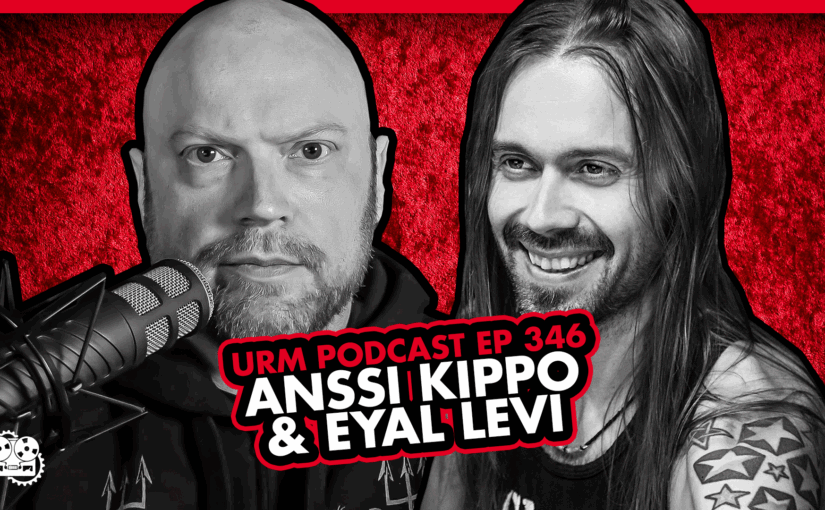
ANSSI KIPPO: Why Analog is Faster, Recording Without Clicks, Producing Children of Bodom

Anssi Kippo is a platinum-selling producer, mixer, and owner of Astia Studios in Finland. He’s known for his deep commitment to analog recording and for his foundational work with Children of Bodom, having produced their landmark albums Something Wild, Hatebreeder, and Hate Crew Deathroll. Though deeply knowledgeable about digital workflows, Kippo famously transitioned his studio back to being exclusively analog in 2017, championing the unique feel and workflow of recording to magnetic tape.

In This Episode

Anssi Kippo drops in to talk about why he ditched the DAW and went back to a fully analog workflow—and it’s not for the reasons you might think. He gets into the idea that analog sound has a “bodily sensation” that goes beyond what we can hear, creating a more emotional connection to the music. Anssi flips the script on the analog vs. digital debate, arguing that tape is actually several times faster and more economical because it forces decisive action and eliminates endless editing. We also get into the power of the “human factor,” discussing why he avoids click tracks to capture the natural energy and groove of a band locking in. It’s a killer conversation about how limitations can unlock creativity and why feeling the music is more important than technical perfection.

Products Mentioned

Timestamps

  • [4:25] Why he moved from digital back to analog recording
  • [6:28] Feeling the music: The “bodily sensation” of analog sound
  • [8:20] How analog’s limitations can simplify and speed up the workflow
  • [12:54] The power of loose timing, citing Slipknot and Pantera
  • [16:31] Recording the first Children of Bodom album without a click track
  • [18:36] Getting into a “flow state” during production
  • [22:05] Anssi’s analog sessions are several times faster than digital
  • [26:24] How to make tape recording affordable for modern bands
  • [31:07] Why you should record sounds to be as final as possible during tracking
  • [38:26] The concept of “locking in” to get tight performances without editing
  • [41:15] How analog tape can be surprisingly “forgiving” of minor performance flaws
  • [48:30] How to coach bands to play without a click track
  • [52:27] The pros and cons of programming fluctuating click tracks
  • [1:08:41] The key to great vocal production isn’t technical; it’s authenticity
  • [1:11:05] A simple trick for vocalists: putting a stage monitor wedge in the booth
  • [1:19:54] Anssi’s go-to starting point for high-gain guitar tones
  • [1:22:11] The only digital gear left in Anssi’s workflow
  • [1:25:18] The crew thought the first Children of Bodom album would be a total flop

LASSE LAMMERT: Creating His Signature Plugin, Why He Avoids Templates, Navigating Mix Revisions

Lasse Lammert is a world-class musician, engineer, and producer known for his expertise in crafting heavy guitar tones. He has worked with a diverse range of artists including power metal mainstays Alestorm, black metal pioneers Abigail Williams, and projects featuring members of Megadeth and Fear Factory. His deep understanding of amp technology has led to collaborations with STL Tones for his signature Tonality plugin suite and ToneHub preset packs.

In This Episode

Lasse Lammert is back on the podcast, and this time he’s taking us deep into the process of capturing his signature tones for the digital world. He gives a seriously detailed breakdown of creating his STL Tonality plugin, from modeling his personal amps on a component level to the insane process of capturing 9,600 individual IRs for a single cab. Lasse explains how this tech has changed his workflow, making it easier to serve the song by keeping options open, especially for lead guitars in dense arrangements. He also gets into the mindset of a modern producer, discussing why he avoids templates to stay creative, the importance of interpreting a band’s feedback (instead of just following orders), and how to navigate the delicate balance of ego and service when it comes to mix revisions. It’s a killer conversation about how new tools can enhance, but never replace, a producer’s ears and taste.

Products Mentioned

Timestamps

  • [3:21] The difference between ToneHub’s capture technology and a Kemper profile
  • [5:25] Modeling his personal amps on a component-by-component level
  • [6:20] The insane process of capturing 9,600 IRs for his plugin
  • [10:11] The psychological component of using real hardware vs. plugins
  • [13:38] How modern tools improve workflow without disrupting creative flow
  • [15:08] The critical connection between a guitarist and their immediate tone
  • [18:00] Using plugins to keep lead guitar tones flexible within a dense mix
  • [22:15] Why Lasse avoids using routing templates to stay creative
  • [25:36] Trying on other famous mixers’ workflows to learn new tricks
  • [26:40] Why your mixes will always sound like you, no matter what gear you use
  • [31:10] A producer’s job is to interpret what a band wants, not just do what they say
  • [32:18] Getting your ego in check when you receive mix revisions
  • [38:35] Why bands can’t hear their own music objectively like a fan can
  • [43:41] Having the tough conversations with young, inexperienced bands
  • [48:16] How a tough recording session can make a musician better in the long run
  • [53:09] How shyness and quiet professionalism can be misinterpreted as arrogance
  • [56:18] The power of organic networking over aggressive self-promotion
  • [1:01:17] Why you have to treat superstars as equals when you’re in a working relationship
  • [1:07:47] Discussing his synesthesia and how it relates to mixing with colors

WILL YIP: Chasing Passion Over Paychecks, Losing Bands Gracefully, and How to Avoid Burnout

Will Yip is a songwriter, producer, and mixer who has become a key figure in modern punk, hardcore, and indie rock. A partner at the iconic Studio Four, he is also the mind behind the record labels Black Cement and Memory Music. His diverse and influential discography includes seminal albums with bands like Title Fight, Circa Survive, Code Orange, and Turnover, as well as work with Ms. Lauryn Hill.

In This Episode

Will Yip joins the podcast to talk about the mindset and hustle required to build a sustainable career in music. He shares how his immigrant parents’ intense work ethic shaped his own drive and explains why chasing passion over a paycheck in your twenties is a crucial long-term investment. Will breaks down his “big picture” approach to career decisions, from starting his label Memory Music to develop new talent to his philosophy on rooting for other people’s success—because a rising tide lifts all boats. He gets real about maintaining positive relationships, even when bands he’s worked with (like Code Orange or Turnstile) decide to try another producer. He also offers some killer practical advice on how he structures his insane schedule to balance multiple records and business ventures without burning out, emphasizing the importance of being 100% present in whatever you’re doing.

Products Mentioned

Timestamps

  • [5:20] How his parents’ intense work ethic shaped his own drive
  • [6:07] Ms. Lauryn Hill’s observation that he’s driven by stress
  • [12:40] The best advice he got in college: “In your twenties, do what you love”
  • [15:00] The story of turning down a six-figure corporate audio job to stick with music
  • [20:42] Why every career decision is about the big picture and longevity
  • [23:20] The problem with producers who just chase bigger and bigger checks
  • [26:41] Why he started his own label, Memory Music
  • [28:52] The importance of established producers helping the next generation
  • [31:10] Why you should root for the bands you lose, because their success helps the whole community
  • [34:35] Why hating on Slipknot or MGK is counterproductive for the scene
  • [39:57] His reaction when bands like Code Orange or Turnstile want to work with other producers
  • [46:41] Why producers need to be the source of positive energy in the room
  • [48:47] How the “old music industry” attitude of being a tyrant producer doesn’t fly anymore
  • [51:53] Will’s daily schedule for balancing seven records, labels, and a personal life
  • [54:53] The key to managing a huge workload: being 100% present
  • [1:03:24] Why your twenties are the time to embrace the chaos
  • [1:10:52] His only prerequisite for working with a band: they must be open to new ideas
  • [1:12:52] “I’m not a sound guy, I’m a song guy”
  • [1:17:28] Having the “what do you want from a producer?” conversation upfront
  • [1:20:26] Positioning himself as the “fifth member” of the band during the creative process

Adam Bentley: Building a Music Career, Mixing Your Own Band, and The Great DAW Debate

Guitar player, songwriter, producer, and all-around audio pro Adam Bentley stays busy. When he’s not writing and playing with his progressive metal band Arch Echo, he’s running his own production business and creating content for his popular YouTube channel. A Berklee grad, Adam has carved out a niche for himself in the world of modern instrumental and progressive music, mixing his own band’s records and a growing list of clients who are drawn to his clear, powerful, and intricate productions.

In This Episode

Adam gets real about the discipline it takes to build a sustainable career in music. He chats about his journey from civil engineering to Berklee, the importance of developing a solid routine to avoid burnout, and why the work you put out directly influences the clients you attract. He also gets into some super practical topics, like why it’s crucial to work for free when you’re starting out to build a portfolio, the art of translating a band’s creative vision into technical mix moves, and the pros and cons of mixing your own band. They also dig into the great DAW debate, the evolution of mixing templates, and why you can learn a ton from a mix that’s the total opposite of your personal style. It’s a great discussion on the mindset and hustle required to make it as a modern producer.

Products Mentioned

Timestamps

  • [0:02:22] How Adam balances his multiple roles as a musician, producer, and content creator
  • [0:04:01] Why disorganization, not routine, leads to burnout
  • [0:09:23] Dropping out of civil engineering to pursue music at Berklee
  • [0:13:47] The different paths for performance vs. engineering majors at Berklee
  • [0:15:03] How metal has become more harmonically sophisticated over the last decade
  • [0:17:38] Why metal is one of the hardest genres to mix
  • [0:21:27] The 5% of your DAW you actually use vs. what they teach in school
  • [0:26:19] The great DAW debate: Pro Tools vs. Studio One vs. everything else
  • [0:32:22] Shifting from console-based learning to an in-the-box workflow
  • [0:35:10] Why it takes years of frustration to get good at mixing
  • [0:48:32] Building a career by creating your own opportunities (and working for free)
  • [0:55:49] The debate around charging very little for mixes when you’re starting out
  • [1:00:36] The art of interpreting a client’s non-technical feedback
  • [1:05:20] The pros and cons of mixing your own band’s music
  • [1:09:17] How playing to each member’s strengths leads to an efficient workflow
  • [1:13:55] The symbiotic relationship between his band (Arch Echo) and his mixing career
  • [1:15:52] Why the work you put out dictates the work you get back
  • [1:20:58] Learning from a mix that’s the total opposite of your aesthetic
  • [1:24:36] How to properly use (and evolve) mixing templates
  • [1:26:45] Why you should never use someone else’s templates